Rechargeable drinks bottle that cools itself
This is an idea, not a product. Nothing here has been built or tested unless a linked technology profile says so.
The problem
Away from a fridge, cold drinks warm up within hours, and ice is not always available.
The idea
A double-walled bottle with a small solid-state thermoelectric (Peltier) module in its base would pump heat out of the drink when switched on, powered by a rechargeable battery. The outer sleeve would use a reflective radiative-cooling coating to reduce heat gained from sunlight. The realistic first version would keep a drink cool for longer rather than chill a warm drink quickly.
Enabling technology
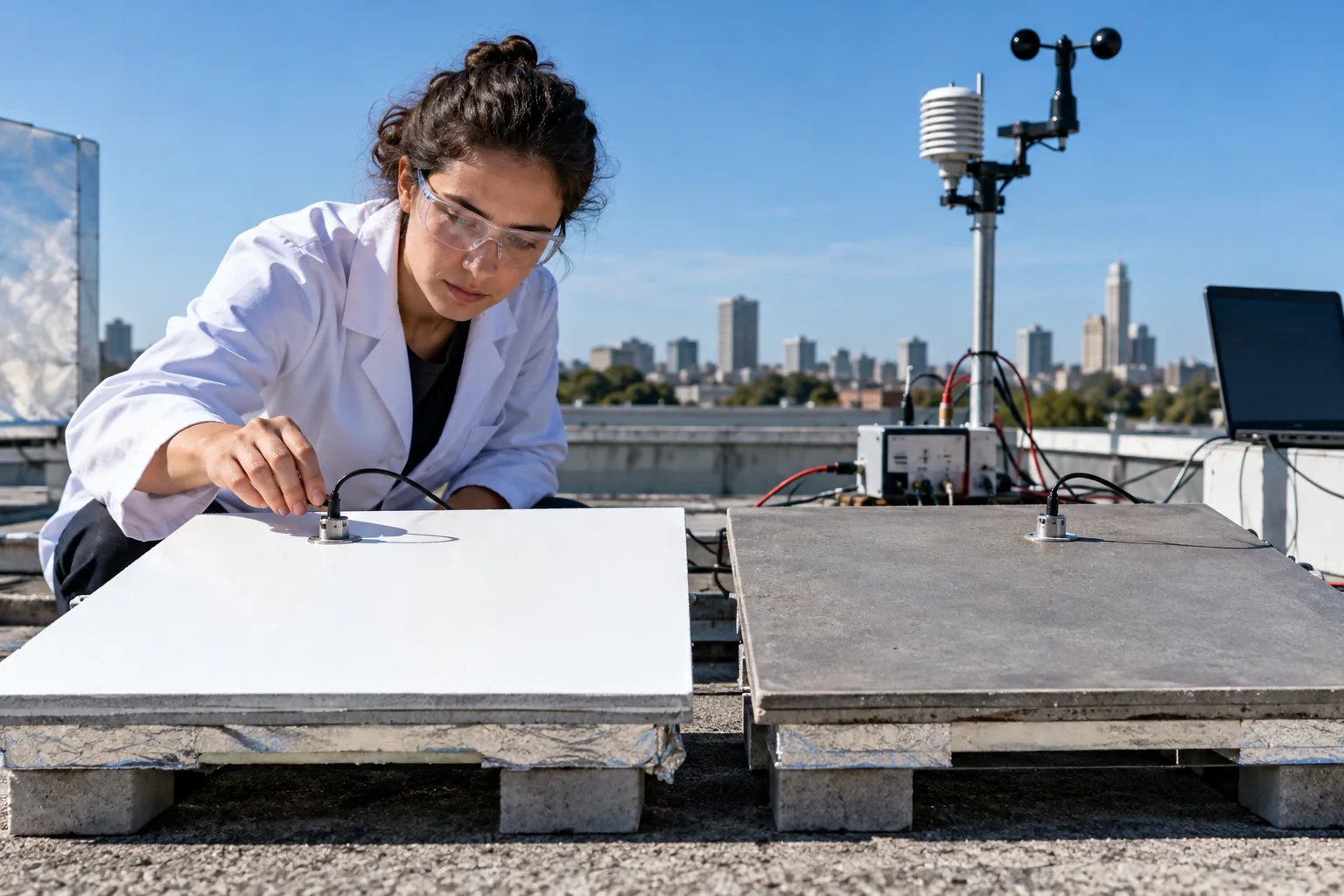
- Passive daytime radiative cooling: Passive daytime radiative cooling uses surfaces that reflect almost all sunlight while giving off heat as infrared light that escapes through the atmosphere into space. Laboratory and rooftop tests have cooled surfaces several degrees below the surrounding air in full sun without using electricity.
- Thermoelectric generators: Thermoelectric generators turn a temperature difference directly into electricity with no moving parts. Radioisotope versions have powered spacecraft and Mars rovers, while wearable and waste-heat versions remain limited by low conversion efficiency and small usable temperature differences.
What stands in the way
- Thermoelectric modules are inefficient as coolers, so a pocket-sized battery would only remove a modest amount of heat before it runs flat.
- The module dumps heat at its hot side, which must be shed to the air without warming the drink or the user's hand.
- The site's thermoelectric profile covers generating power from heat; using the same effect in reverse for cooling is a related but separate application.
- Radiative-cooling coatings work best facing open sky and give little benefit in a bag or indoors.
A cheap way to test it
Fit a commercial 40 mm Peltier module and heat sink to the base of a vacuum flask, powered by a USB power bank. Fill it and an identical unpowered flask with water at 25 °C in a 30 °C room, log both temperatures every minute until the battery is flat, and record the energy used per degree of cooling.