Future product concepts
These are hypotheses, not forecasts. Each one is tied to technology we have profiled and names what would have to be true for it to work.
All concepts
Shopping bag that alerts you when it is opened
Pickpockets often open a bag or rucksack in a crowd without the owner noticing until later.
Shared underground heat store for apartment blocks
Residents of apartment blocks may need heat at times when it is expensive or high in carbon to make. Building owners may have no space or simple way to store heat made at another time.
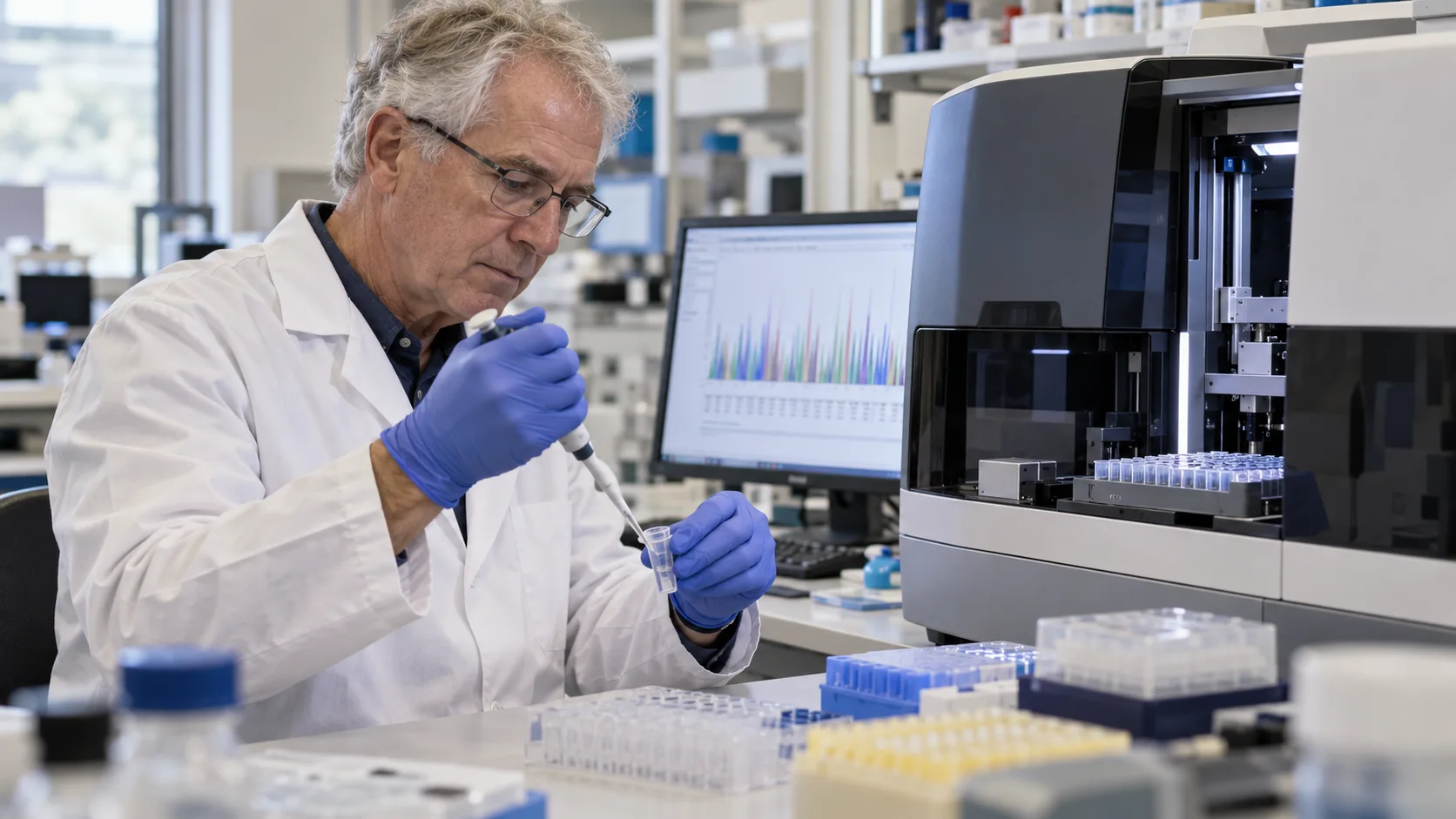
Sealed DNA archive cartridge
Some organisations need to keep a small, fixed set of records for many years. DNA is a dense medium that can be stored without power, but it remains a laboratory technology, so the open question for an archive is whether it could ever be practical.
Bacterial-fibre test block
Builders may want building materials with a lower carbon footprint than conventional cement-based or fired products. A material grown from bacterial protein fibres is one possible option, but it is an open question whether it could meet the same structural and durability needs, and no carbon benefit has been shown for it.
Biodegradable wildlife tag
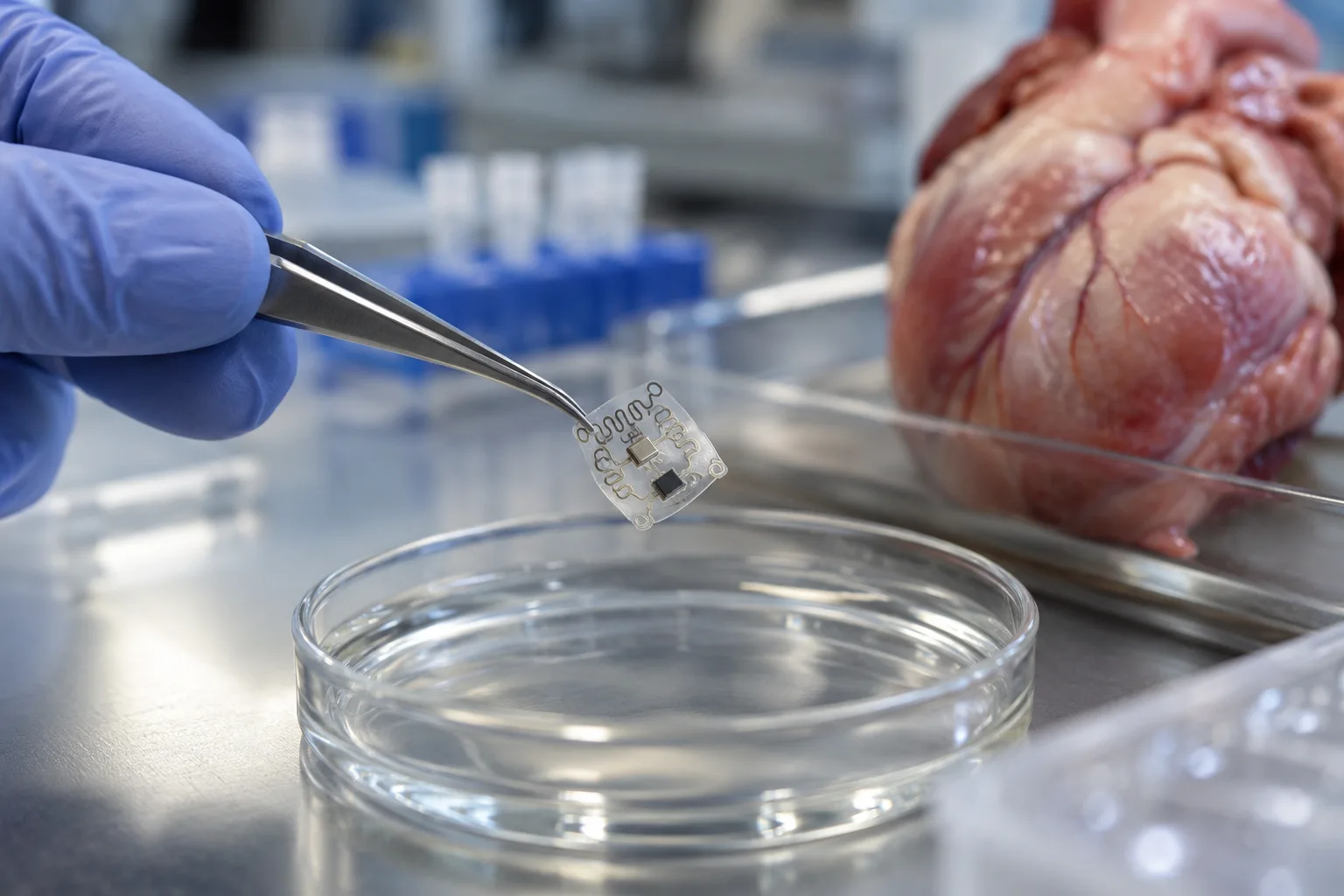
Wildlife researchers may want a temporary device whose electronic part stops conducting after a study period, so that less electronic material remains in the animal or the habitat.
Body-heat wearable charger
People who wear small health or fitness sensors may want to avoid frequent battery changes. Body heat may offer a way to keep a very low-power sensor running, but this has not been shown outside the laboratory.
Bridge health sensor kit
Bridge owners may want earlier warning of unusual movement or loading between scheduled inspections, so that inspection effort goes to the parts of a structure that need it most. Decisions to close lanes or reroute traffic would still need an engineer to make them.
Wireless charging lane for bus and shuttle routes
Operators of fixed-route electric buses and shuttles may need to recharge during service without long plug-in stops at a depot or terminal. A road-based charging section may help where the same vehicles repeat the same short route every day.
Carbon-curing cement blocks
Builders may want lower-carbon blocks for walls that do not carry structural loads, because making cement releases CO2 and standard blocks carry that footprint. A product that stores CO2 during curing might reduce it, but the whole-life benefit has not yet been shown for this approach.
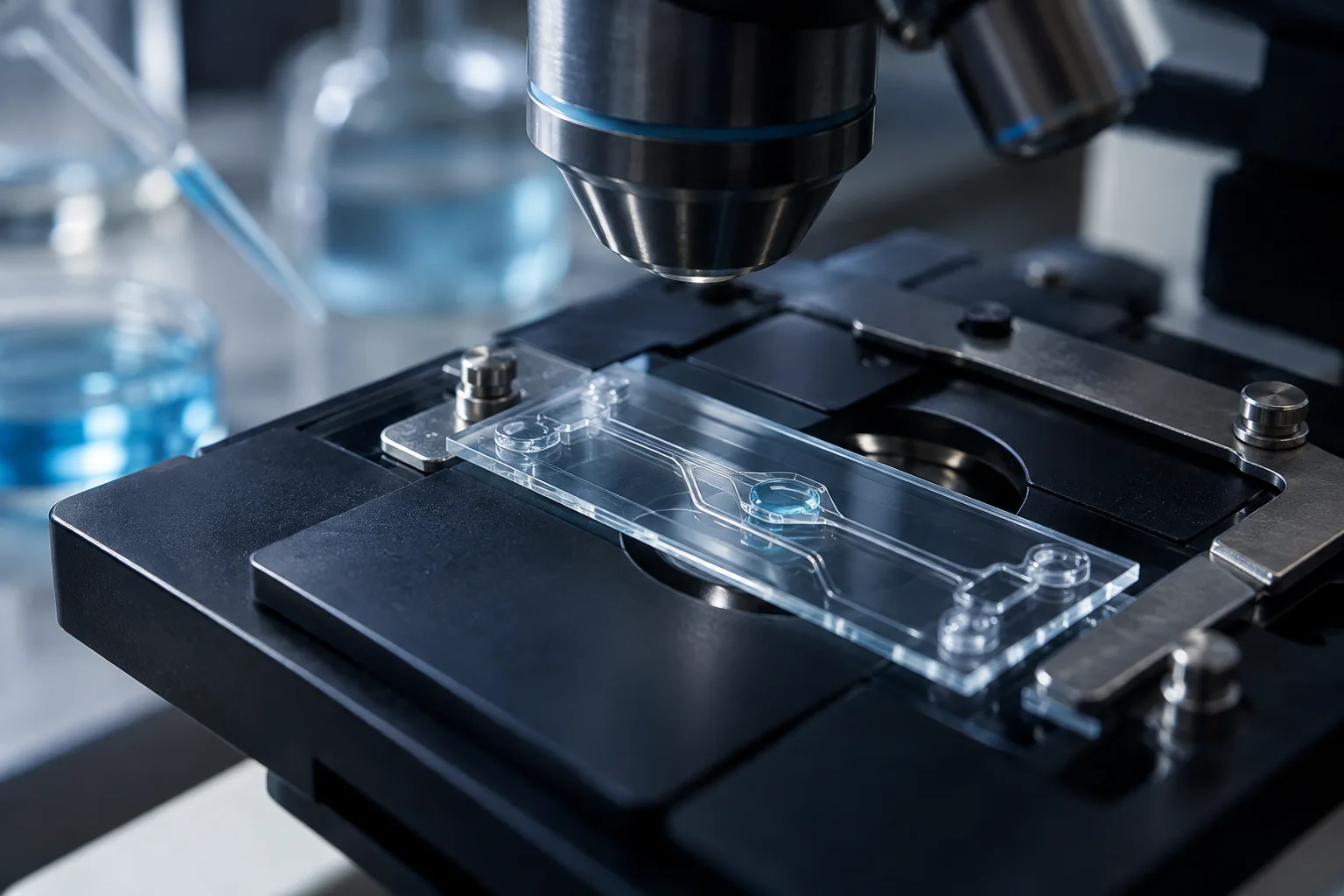
Clinic breath screening unit
Clinicians who see people at high risk of lung cancer, such as long-term smokers, may want a non-invasive first filter that helps decide who needs a more invasive or costly test, such as low-dose CT scanning. Breath tests have been studied for this, but the evidence is not yet strong enough for routine use, so this remains a research question rather than a service that can be offered today.
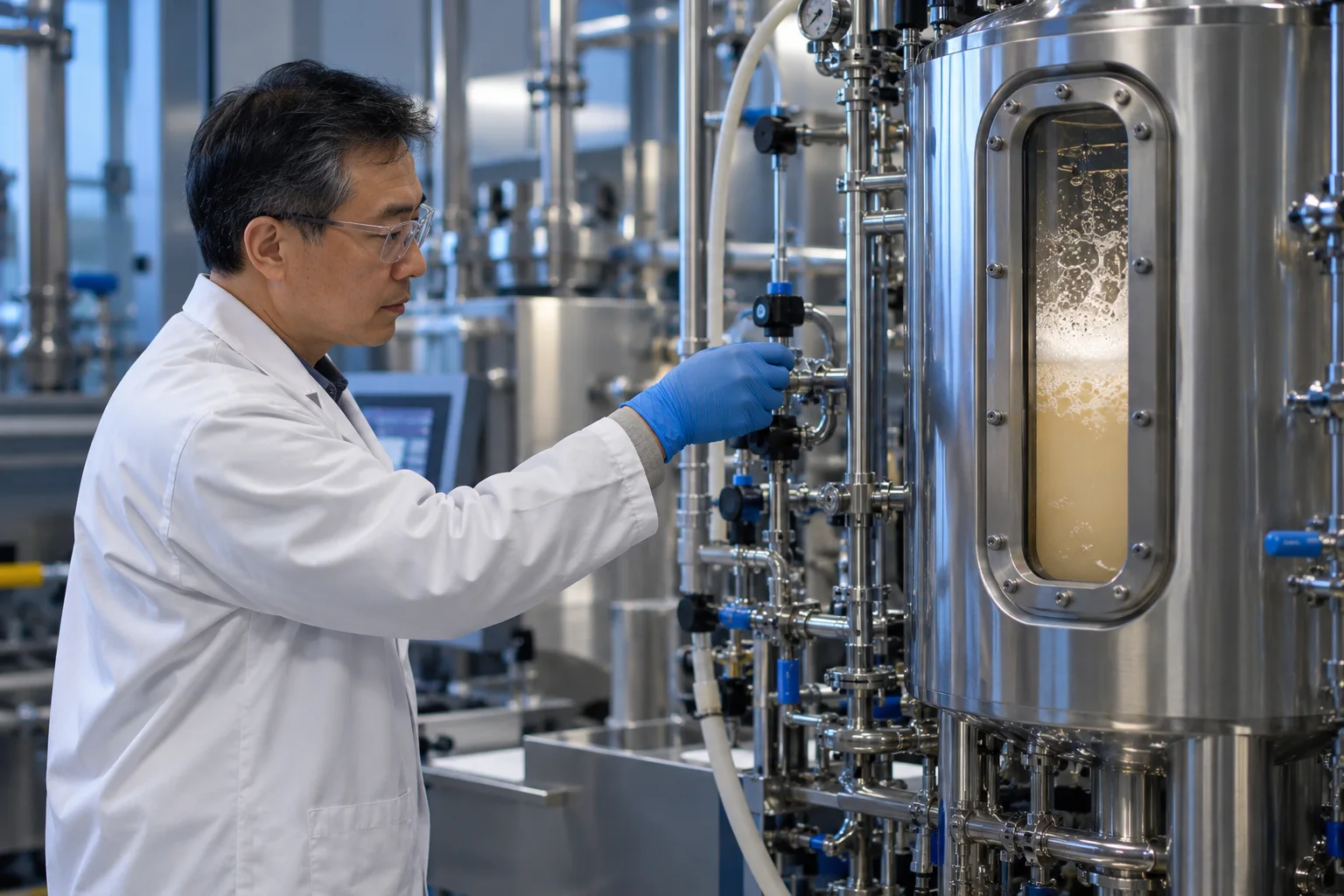
CO2-to-protein reactor
Food makers may want a protein made without farmed animals, and industrial sites that emit CO2 may want a use for the carbon they capture. Both needs may be met only if the process is cheap enough and has a lower carbon footprint than the routes it replaces.
Coastal seawater hydrogen unit
Coastal sites with good sun or wind but little fresh water may want a way to make hydrogen without building a separate water treatment plant. Today, most electrolysers need purified water, which adds a treatment step and equipment.
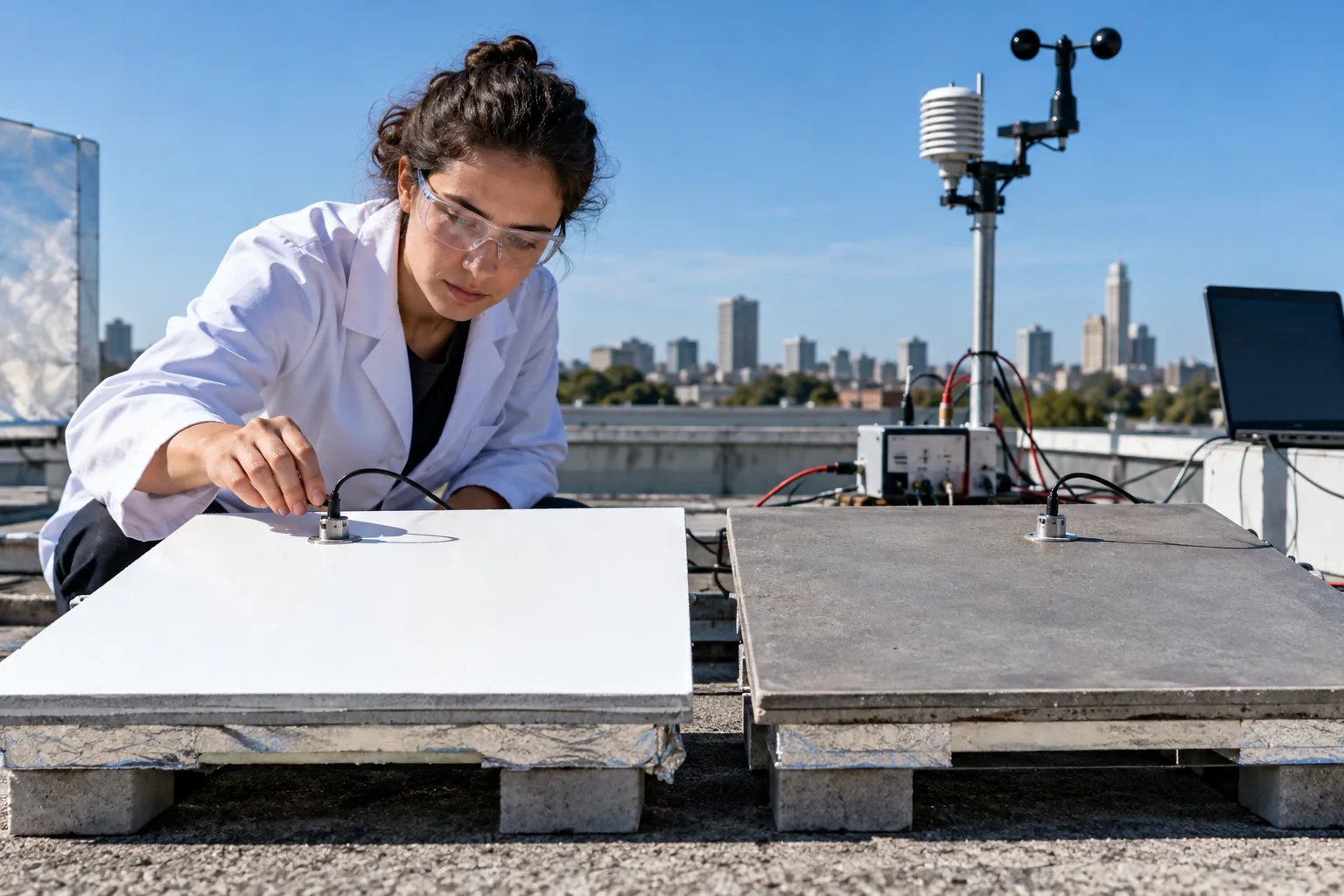
Robotic cool-roof coating applicator
Owners of flat roofs in hot regions may want to lower roof surface temperatures without using electricity, but painting a large roof by hand is slow and can leave uneven coverage.
Cooperative-target servicing tug
Some operators of satellites that have reached the end of their working life may want a way to move them out of busy orbits, rather than leaving them where they are. The sources reviewed do not measure how large this need is.
Dissolving post-surgery monitor
Some patients recovering from surgery may benefit from short-term monitoring at the surgical site. Many temporary implants have wires or parts that must be pulled out later, which adds a second procedure and carries risks such as infection or bleeding.
Dissolving battery for temporary in-body sensors
Temporary in-body sensors may need a battery that has to be removed by a second operation, which can add procedural risk. A battery that breaks down in the body may remove that step.
Eye pressure monitoring contact lens
People with glaucoma may want to know how their eye pressure changes across the day and night, not only at scheduled clinic visits. A sensing lens may help clinicians choose better times for measurements, but it cannot yet give an absolute pressure reading.
Low-cost methane leak alert sensor for farm sites
Farm and rural site operators may want an early warning when methane is building up near a suspected leak, without waiting for a periodic inspection. This concept does not yet show that farm sources have been mapped or prioritised by any satellite method.
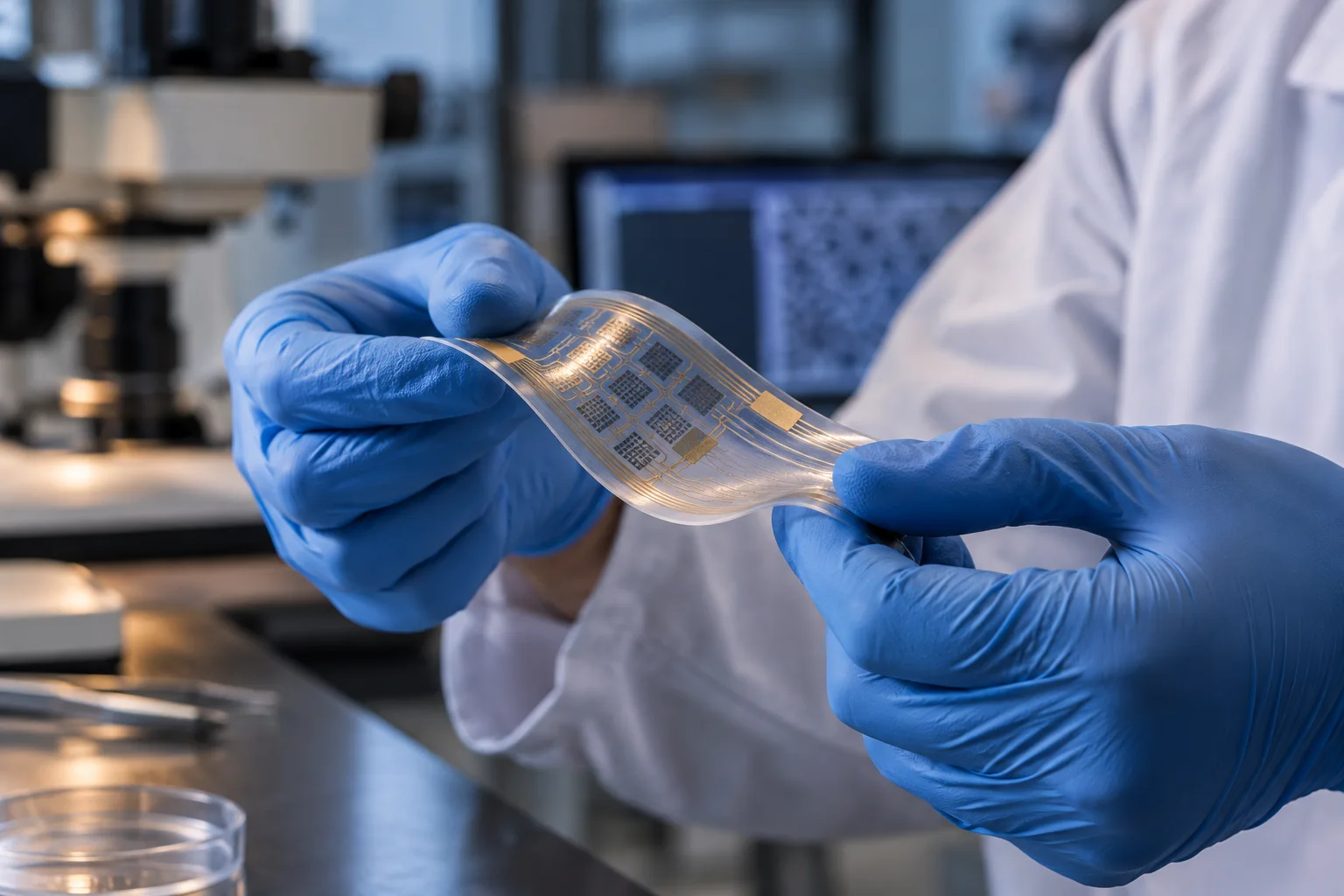
Flexible motion patch for sports training
Athletes and coaches may want to track local joint or muscle movement during drills without wearing a rigid sensor unit at each location.
Flexible temperature-history label for chilled food
A package can look intact even after a chilled product has experienced a temperature excursion during storage or delivery, leaving buyers with little visible information about handling conditions.
Glass archive for libraries
Libraries and archives may want to keep digital collections readable for decades without repeated copying to new media or ongoing power for storage hardware. Copies on disk and tape need ongoing migration and power, which adds cost over time.
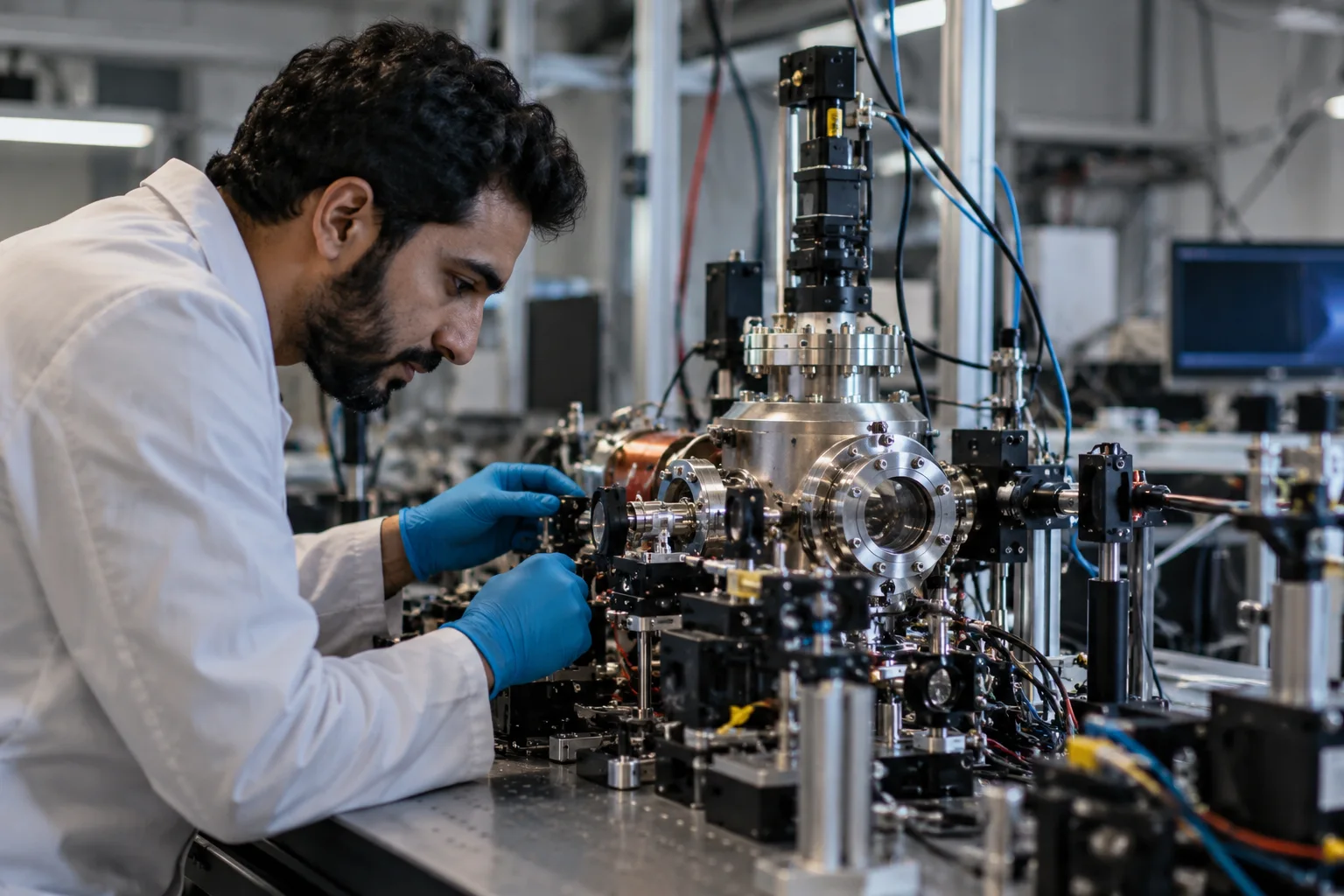
GPS-free underground position reference
Crews working in tunnels, mines or deep infrastructure may have no satellite signal, so they may not know roughly where they are. The enabling profiles do not assess existing underground positioning methods, so this concept does not claim that they fall short.
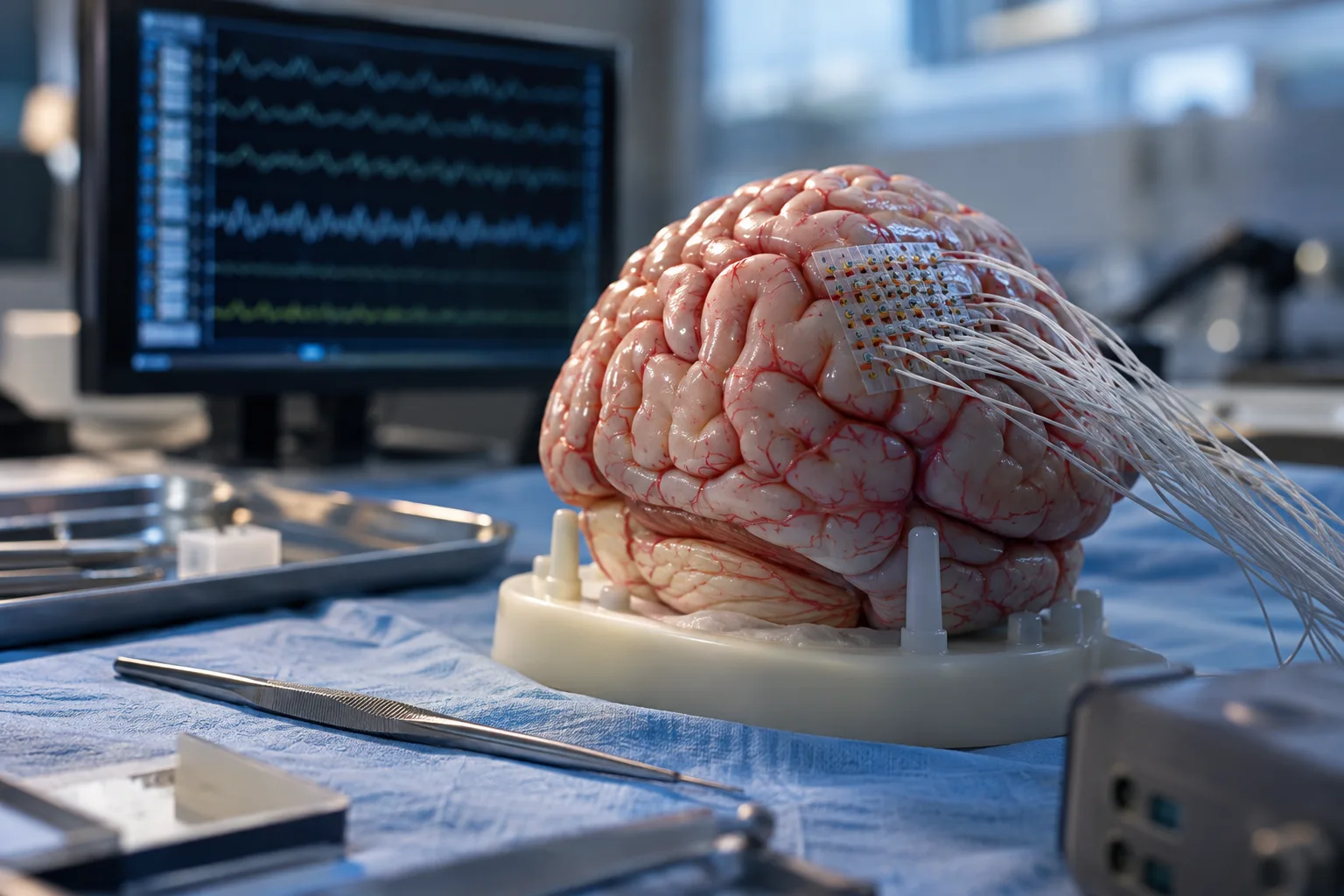
Neural bypass for hand function after injury
Some people with tetraplegia after a cervical spinal cord injury have limited arm and hand function. Non-invasive spinal stimulation has been tested for arm and hand function in a single-arm trial (see spinal-cord-stimulation), but the reviewed sources do not report a system that uses movement intent to time stimulation for a hand movement.
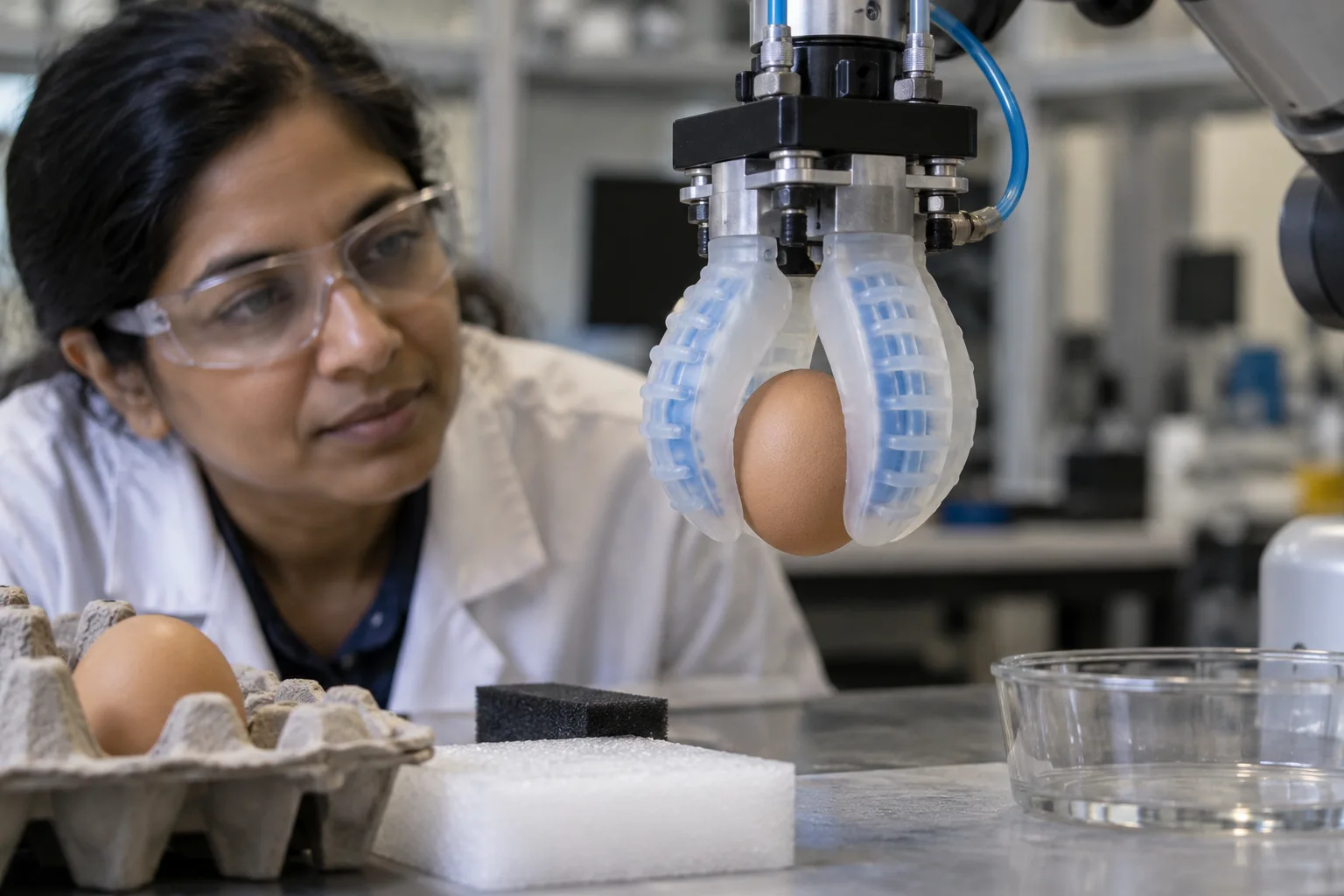
Dressing and bathing assist robot
People who need help with bathing or dressing may want support that reduces the physical load on a carer. Whether a robot could do this safely in a real home has not been established.
Car battery backup for a house during power cuts
Households may want a few essential circuits kept running during a power cut. An electric car battery could in principle help, because the vehicle-to-grid profile lists vehicle-to-home use during a power cut as a speculative application. The profile does not report any home-charging product that does this, so the need is not confirmed.
Invasive species eDNA kit
Land managers and volunteer surveyors may want a simpler way to check whether a named invasive species is present in a pond or stream without catching or seeing the animal. A water sample result may help them decide where a closer survey is worth doing.
Brain-computer switch for locked-in syndrome
People with locked-in syndrome may be unable to speak or move, which can make it hard to signal needs or answer questions. A simple, reliable switch could help, if the technology can support one.
Mycelium packaging foam
Protective packaging for shipped goods is often made from single-use plastic foam. Some buyers may want an insert that is easier to dispose of after use.
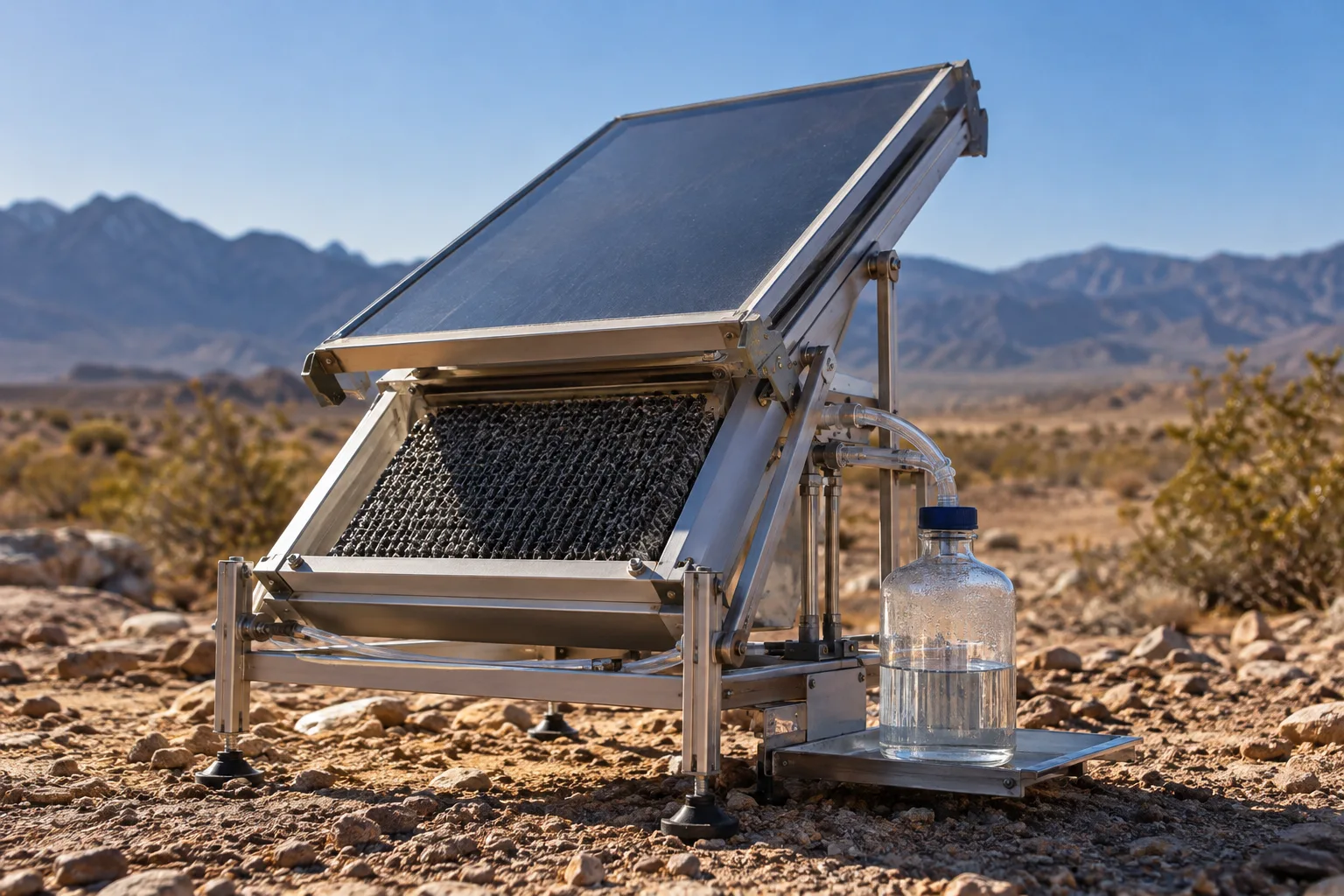
Solar-regenerated water cartridge for remote homes
Remote households and field teams may need small amounts of backup water where delivery is unreliable, but carrying or storing all water can be difficult.
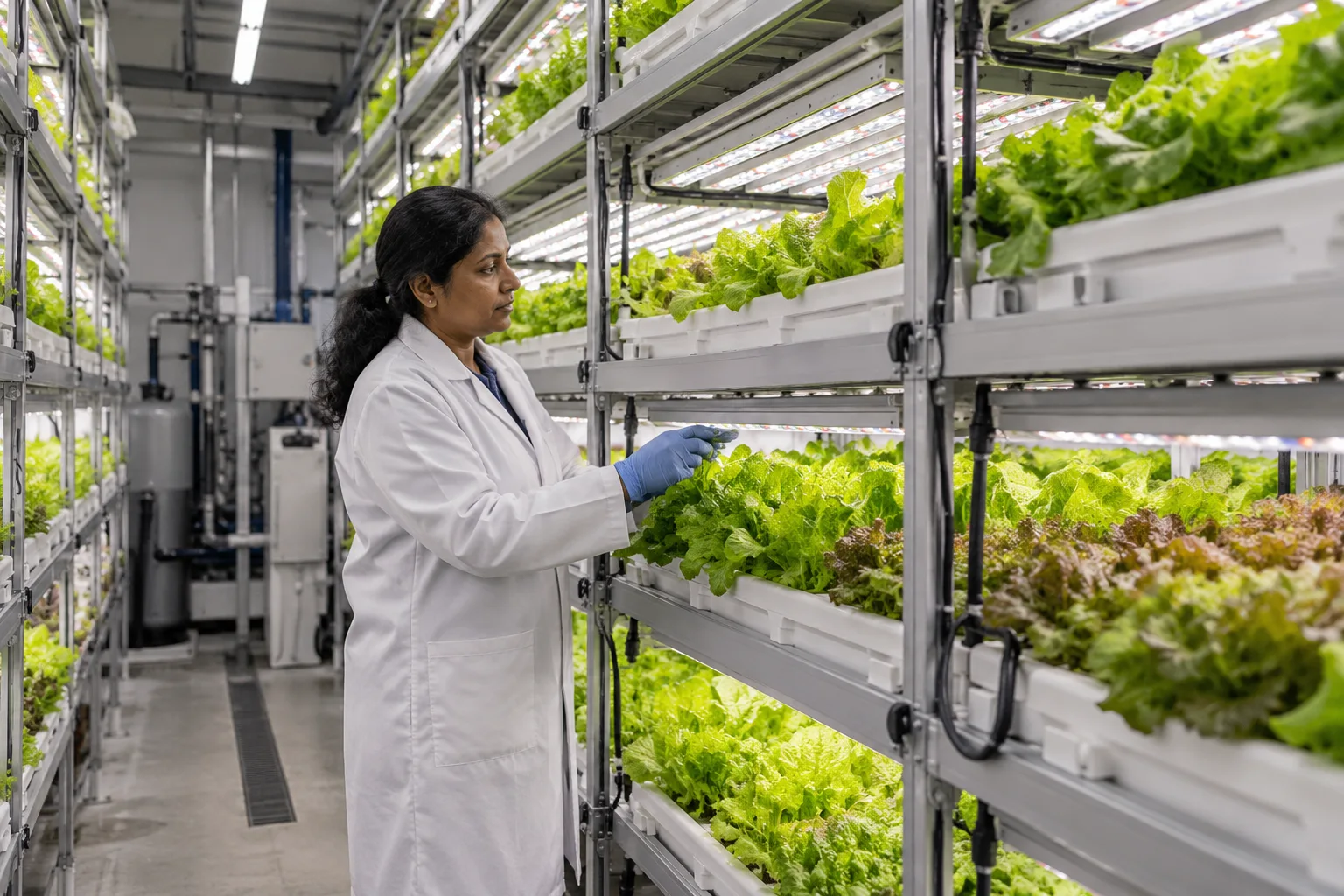
Vertical farm inside unused office towers
Office districts may have fresh leafy greens on sale nearby but little space to grow them locally, and empty office floors may offer a way to add that space. Indoor growing uses a lot of electricity, so any gain from shorter supply chains may depend on the building's power supply and how the lighting and climate are run.
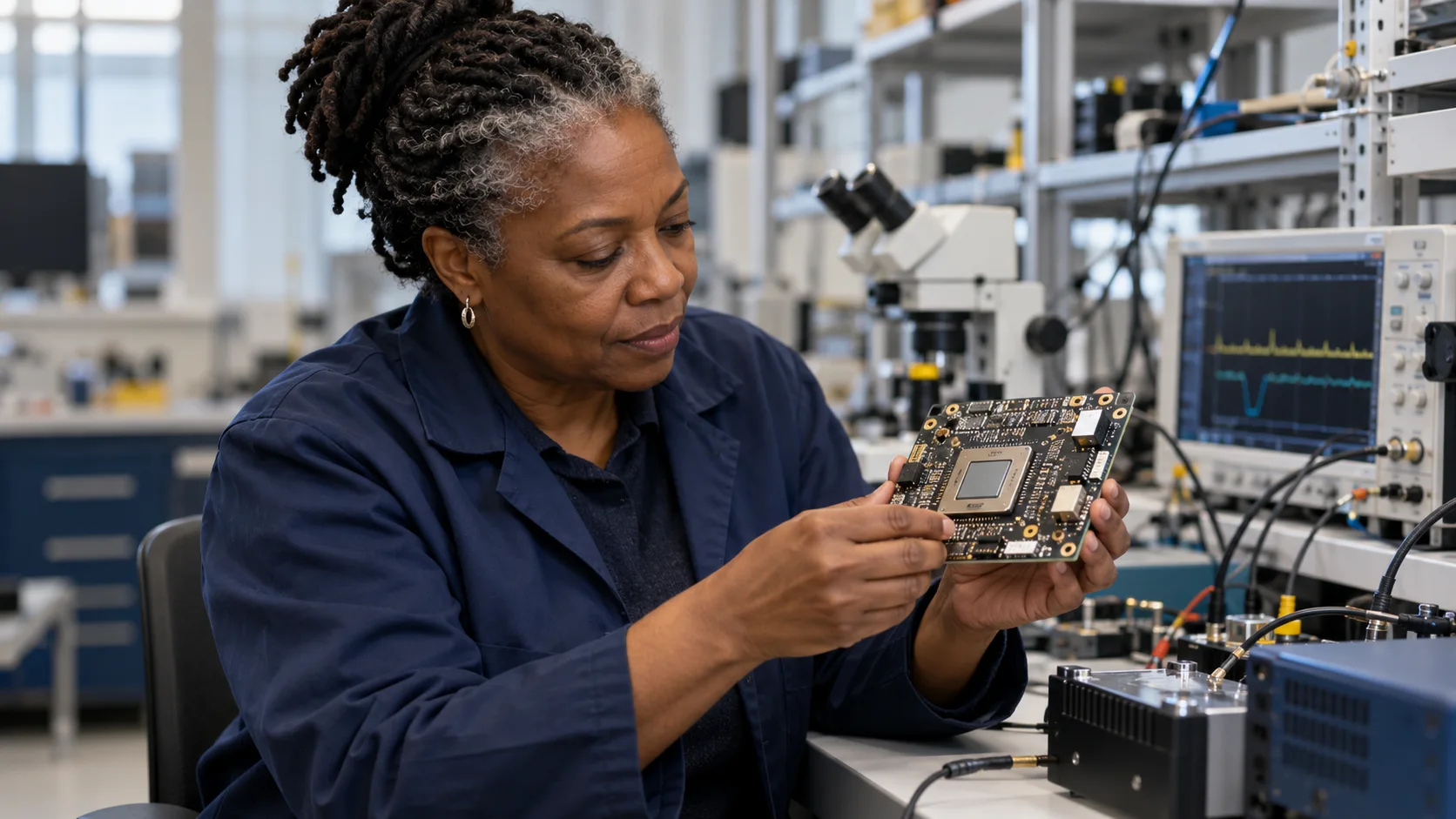
Offline pocket AI assistant
Some people may want a voice device that handles a few simple requests without sending their speech to a remote server. This is an untested hypothesis, not a measured need.
Orbital satellite assembly robot
Satellite operators may want to extend the working life of spacecraft, and builders may want large structures assembled in orbit, without launching a complete replacement each time. A robot that joins or services hardware in orbit may help where launch mass or fairing size is the limit.
Portable unit that warns drivers before they hit a parked car
Parked cars are often scraped or dented by drivers manoeuvring nearby, and the owner is not there to warn them.
Small satellite text relay for compatible phones
People on remote farms, in mines or on shipping lanes may be unable to send a message when no ground mobile network reaches them. Some phones already send emergency texts by satellite, so the remaining gap may be narrower than this idea suggests.
Shipping-container farm for polar stations
Crews at remote polar stations may want fresh leafy greens between resupply trips.
Pressure sore early-warning sheet
People who spend long periods in bed or in a wheelchair may be at risk of pressure sores, and carers may not notice high pressure on one body area in time to move the person. An early signal may help them change position sooner.
Sun-reflective cooling panels for outdoor clothing
People working or exercising outdoors can absorb substantial solar heat, and many cooling garments rely on evaporative cooling, powered fans or ice packs that add water, power, weight or bulk.
Rechargeable drinks bottle that cools itself
Away from a fridge, cold drinks warm up within hours, and ice is not always available.
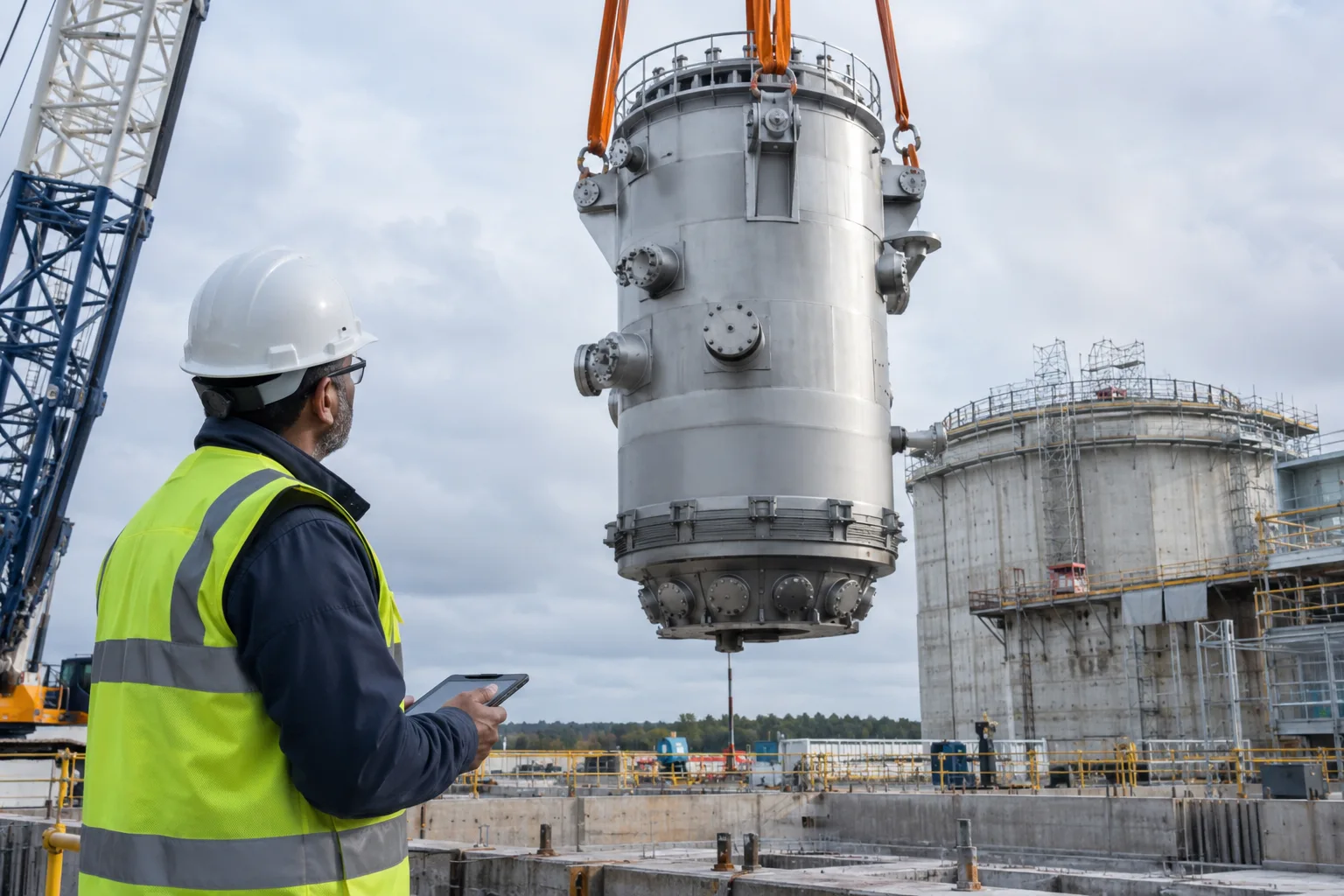
Factory-built reactor module for an isolated town
Some isolated towns and mining sites may not be able to connect easily to a large grid, so they may need a local source of firm power. A small reactor could in principle fill that role, but the community would need a supply it can plan around.
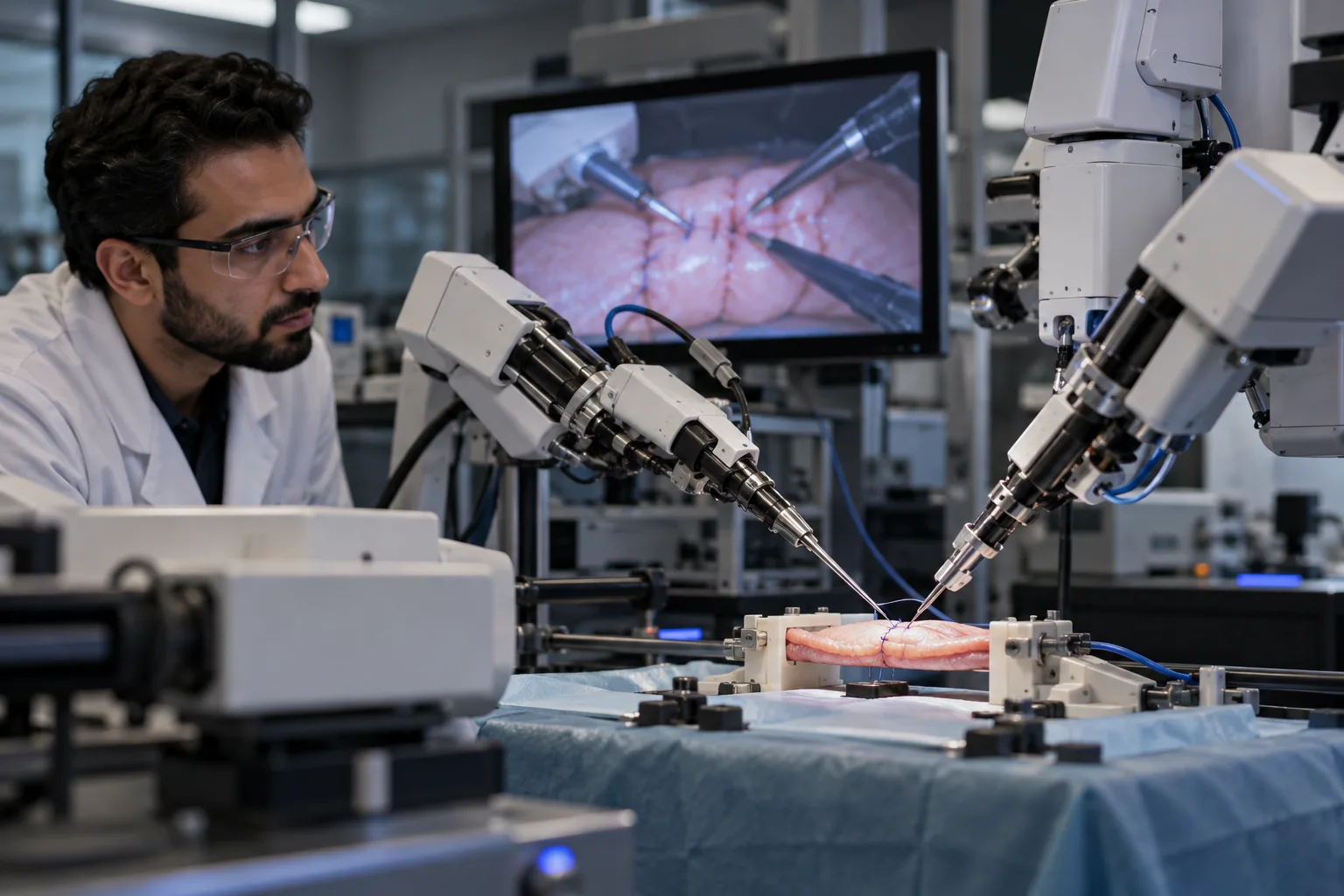
Robotic eye surgery assistant with real-time tissue mapping
Eye surgery involves very fine movements close to delicate tissue, where small errors matter. Whether a robot could help with part of this work is an open question. The sources reviewed for autonomous surgical robots do not test eye surgery, so any benefit is unknown.
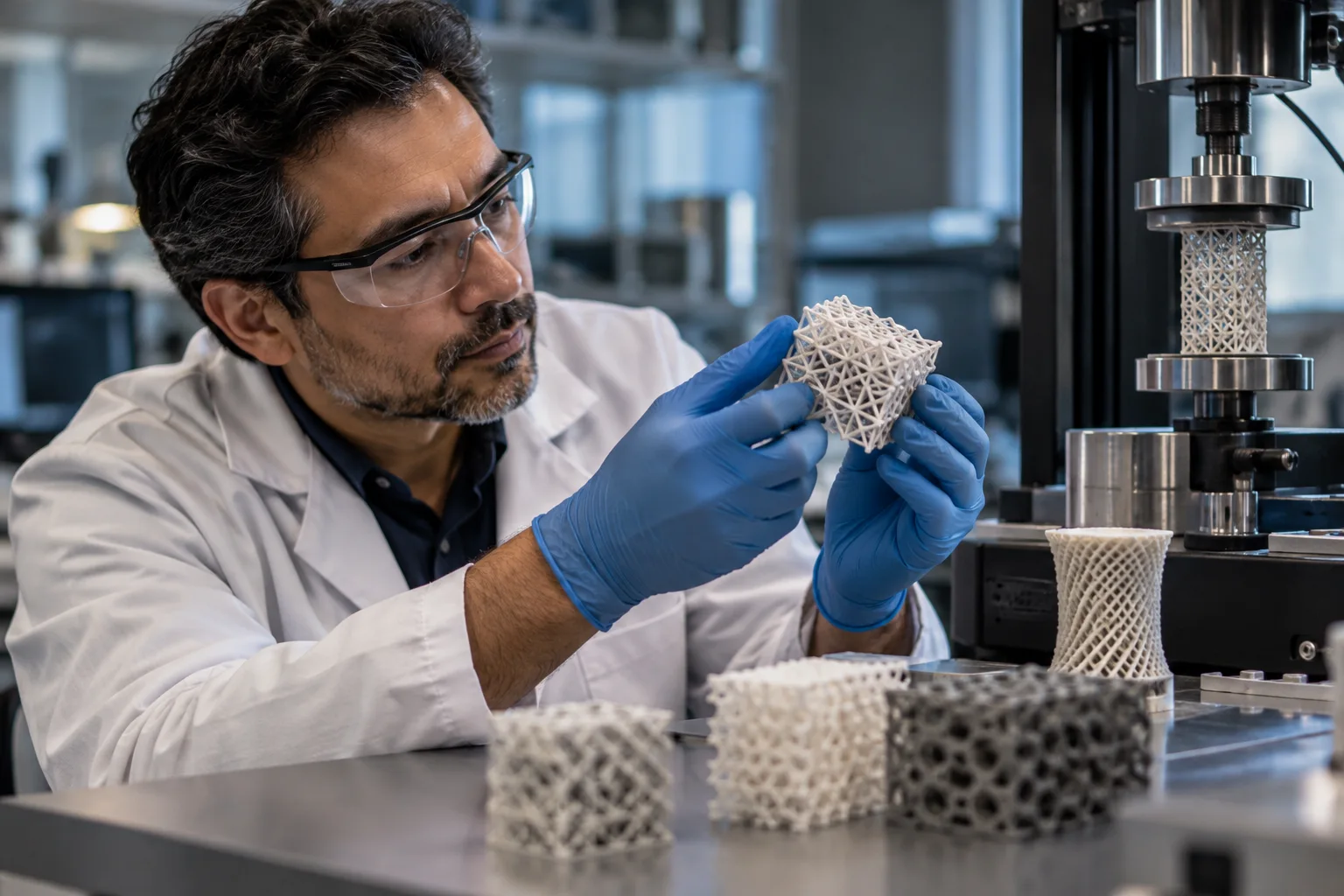
Seismic vibration-absorbing panel
Owners and occupiers in earthquake-prone areas may want interior or non-structural elements that reduce how much shaking passes into sensitive equipment, fittings or rooms, rather than relying only on whole-building systems.
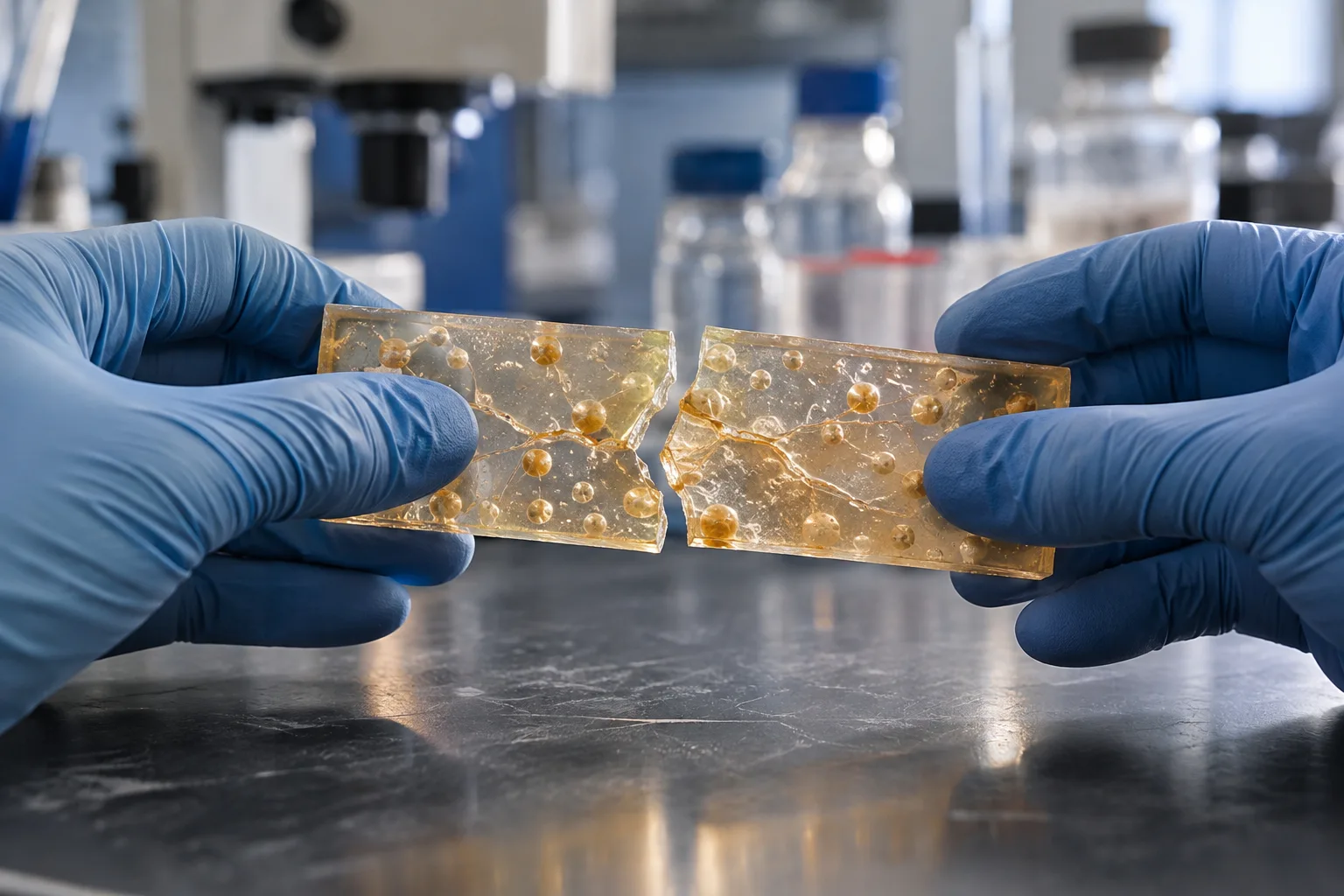
Heat-activated scratch-repair coating for outdoor equipment
Small scratches in painted outdoor equipment can expose the underlying surface to moisture and corrosion, while frequent manual touch-up takes time.
Self-sealing bridge deck
Small cracks in bridge decks may let water reach the reinforcement and lead to repairs later. A material that closed minor cracks without a crew having to find and seal each one could, in principle, reduce that work.
Household bin that sorts waste for recycling
People are often unsure which bin an item belongs in, and wrongly sorted waste contaminates recycling.
Soft fruit picking gripper
Soft fruit may bruise when a rigid gripper squeezes or drops it. Whether bruising causes meaningful losses for growers or packers has not been checked for this concept. A picking aid that handles fruit more gently than rigid tools do may be worth testing.
Solar hydrogen roof tile
Households and small sites with a sunny roof may want to make some of their own hydrogen on site, rather than buy it in or install a separate solar array and electrolyser. The reviewed sources do not show a roof-mounted device that does this.
Robotic exosuit for stroke rehabilitation
People who have had a stroke may find walking slow, uneven or tiring, and may have only limited time with a therapist to practise it. A wearable that gives timed help during walking may make more practice possible in a clinic.
Structural battery drone frame
Small drone operators may want airframes that carry less separate battery mass, because a frame that also stores energy could save some weight and space. Whether any saving survives the full product design is not established.
Prosthetic hand with touch feedback
People who use a prosthetic hand may find it hard to grip objects reliably without watching them, because many devices give little or no sense of touch. Better touch feedback may help some users judge how firmly they are holding something.
Transparent wood window panel
Building owners may want windows that lose less heat and use a bio-based material. A transparent wood panel might help if it keeps a clear view and lasts outdoors, but neither point has been shown for a building use yet.