Everything coming next, and how far away it really is.
Vrulum tracks emerging technology from lab bench to real world. See what has been shown to work, what is still an idea, and how close the big futures actually are, with every claim linked to its source.
Popular:How far away are we?BatteriesQuantumRobots
The futures everyone talks about, measured
What was actually demonstrated
NHS-Galleri trial misses main endpoint for multi-cancer blood test
NHS-Galleri trial website (GRAIL Bio UK Ltd)Brain implant decodes speech and gestures together in two people with paralysis
Nature NeuroscienceUtah FORGE's 30-day 2024 circulation test produced water at about 370°F
U.S. Department of Energy, Geothermal Technologies OfficeModified Pearl 15 jet engine runs on 100% hydrogen through simulated flight cycle
UK Civil Aviation AuthorityMulti-site gene drive suppressed caged malaria mosquitoes despite resistance alleles
PLOS BiologyThin flexible robot demonstrates inspection and machining on laboratory structures
Nature CommunicationsFifteen frontiers
The best-evidenced technologies
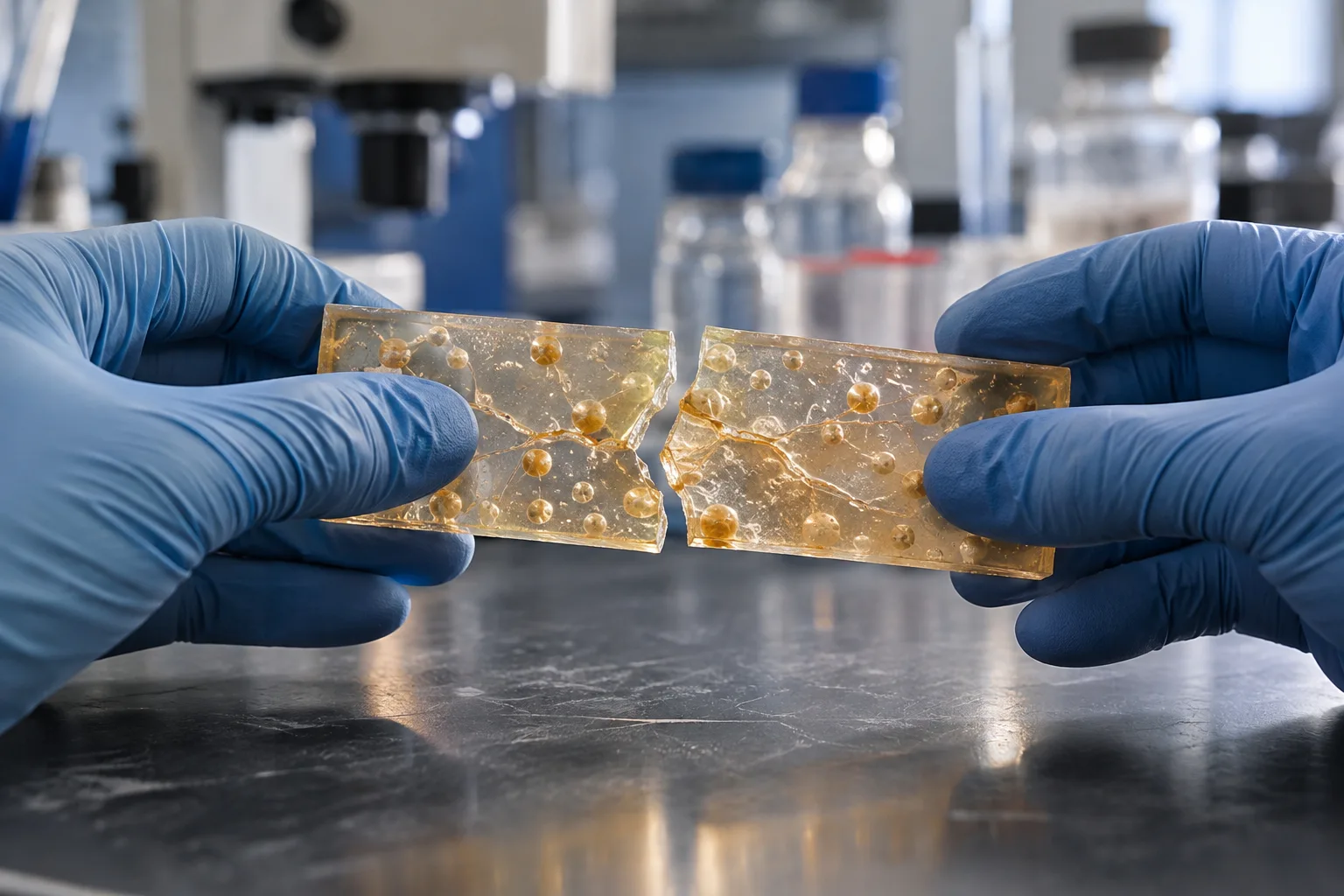
Self-healing polymers
Self-healing polymers are plastics, rubbers and composites that can repair cracks or cuts, either on their own or with a trigger such as heat. Laboratory work since 2001 has shown partial to full recovery of strength in several material families. Bacteria-based concrete has reached full-scale pilots, but most systems remain at the research and prototype stage.

Autonomous road vehicles
Autonomous road vehicles do some or all of the driving without a human in control. Driverless robotaxis now operate in several US cities, and independent and company data both report fewer crashes per mile than human drivers, but the evidence covers limited areas and mileage.
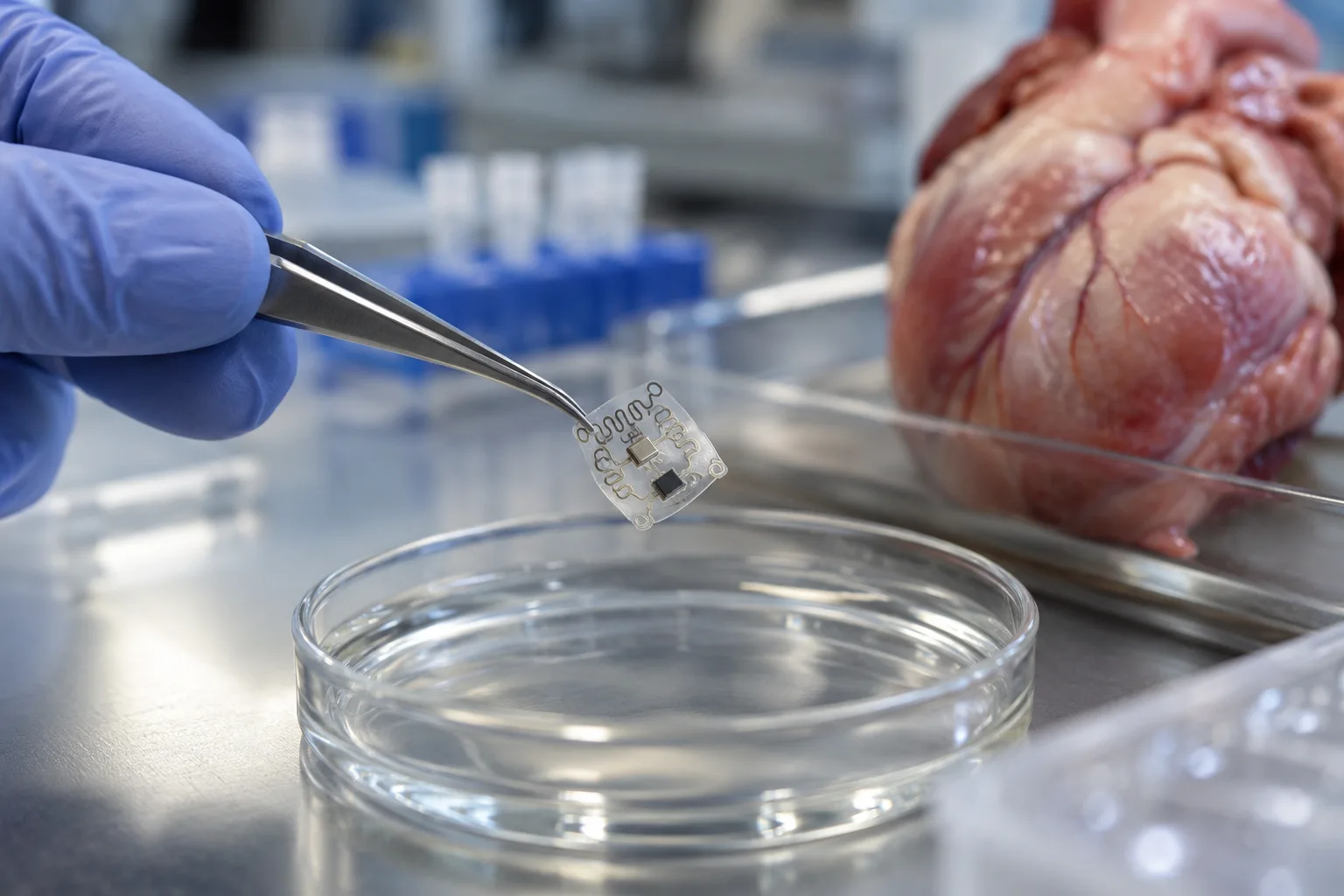
Bioresorbable (transient) electronics
Bioresorbable electronics are working circuits, sensors and stimulators made from materials designed to dissolve in the body after a set time. They aim to provide temporary implants, such as short-term pacemakers or brain pressure monitors, that never need surgical removal.
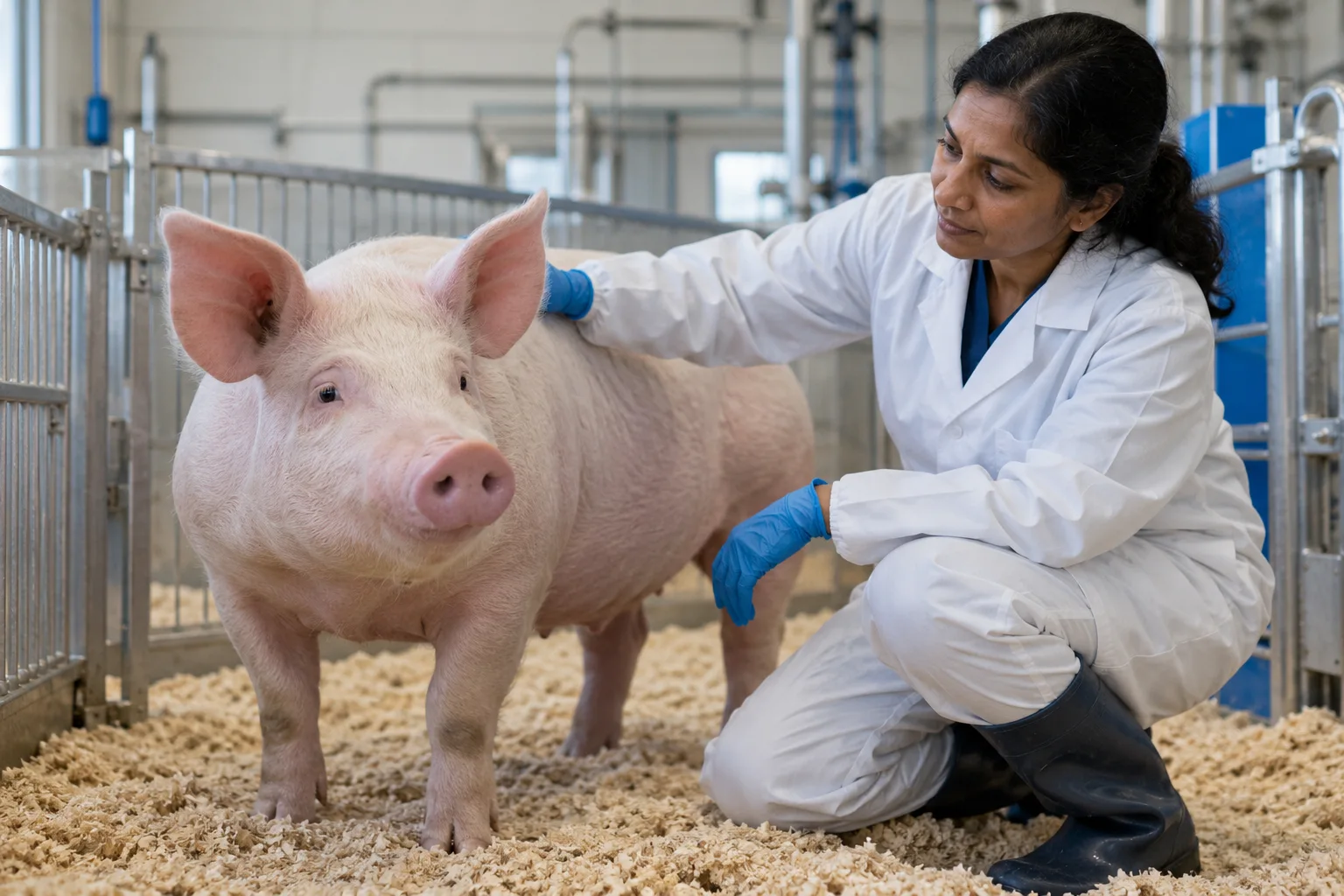
Gene-edited pig organ xenotransplantation
Xenotransplantation means transplanting organs from one species into another, and gene-edited pigs are the main candidate source of donor kidneys. Pig kidneys have functioned for up to 61 days in brain-dead recipients and for a small number of living patients. One peer-reviewed living case reported 271 days of dialysis independence. Long-term results and controlled trials are still needed.
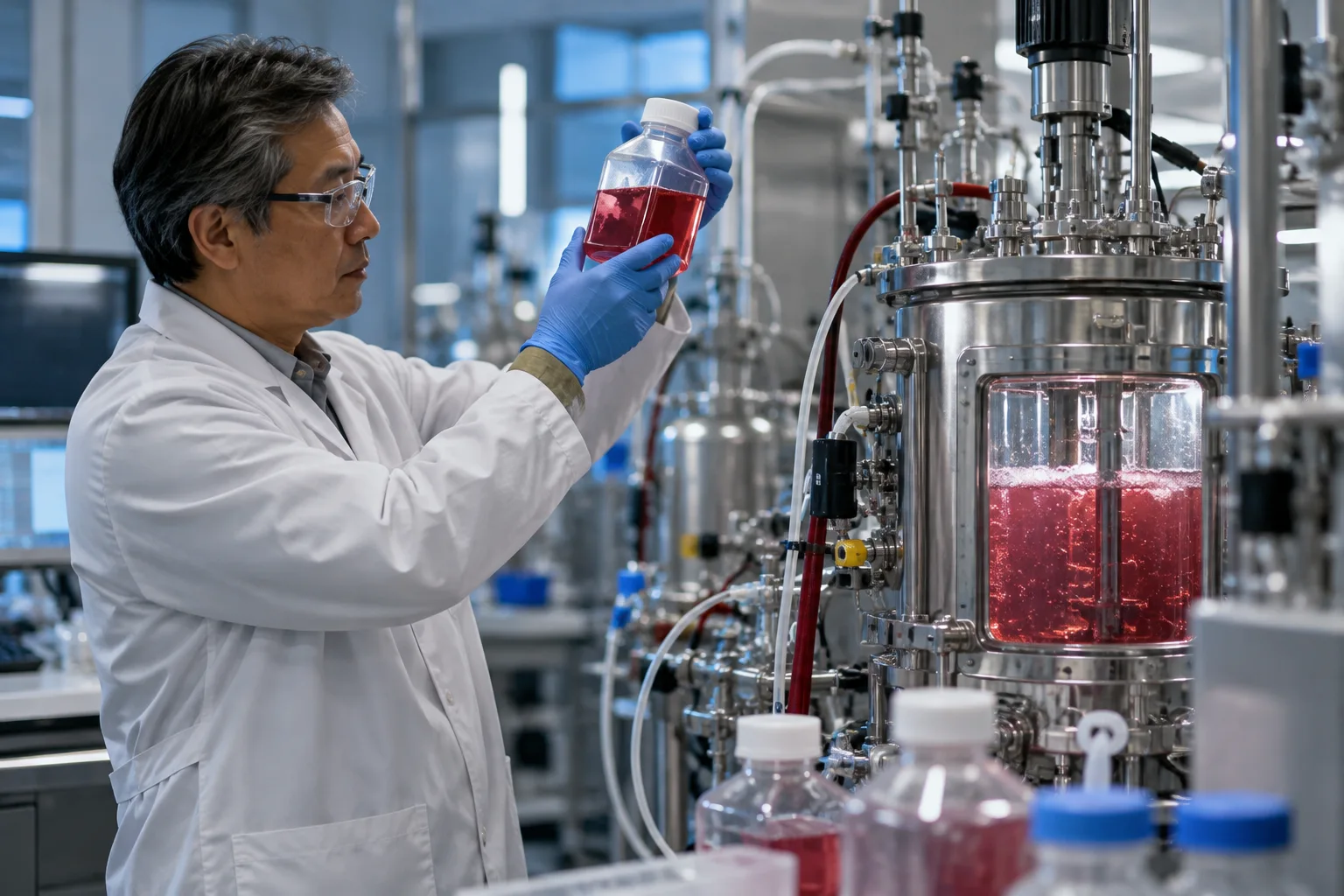
Cultivated meat
Cultivated meat is produced by growing animal cells in bioreactors instead of raising whole animals. US, UK, and Australian and New Zealand regulators have started product-specific reviews, but high culture media costs and the need for structures to support thick tissue remain major hurdles.
Readiness and evidence, side by side
Readiness, evidence quality and momentum are rated separately, each with a dated rationale. There is no single overall score, because a mature technology with weak evidence and an early one with excellent evidence are different stories.
Open the radarHow technologies build on each other
Assembly-line mass production → The motor car
The Model T was built on a moving line from 1913.
Assembly-line mass production → Precision machine tools and interchangeable parts
Moving lines need interchangeable parts.
Asteroid mining → In-space manufacturing
Asteroid-derived metal or water could supply in-space manufacturing if a customer and processing system exist.
Speculative future products
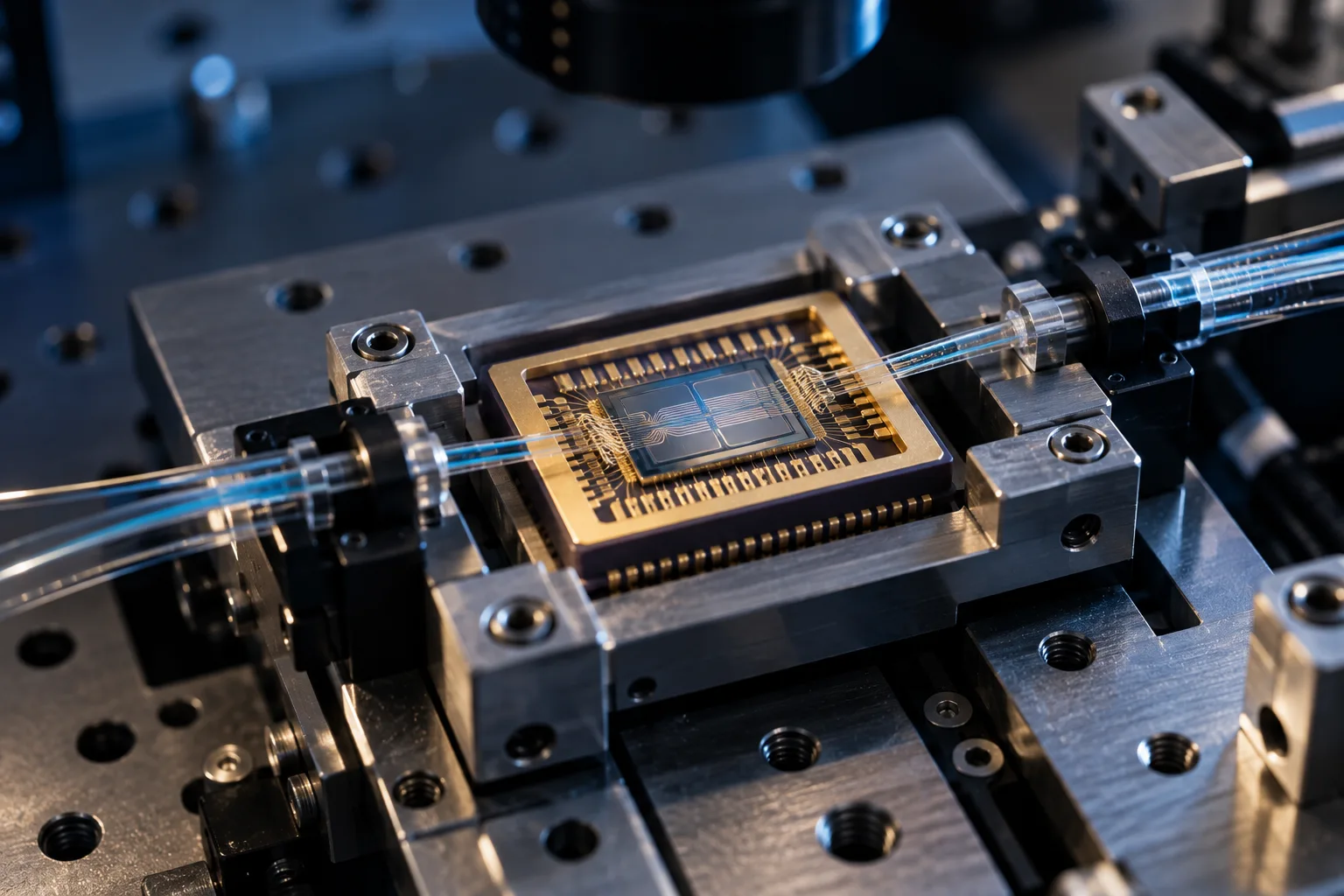
Shopping bag that alerts you when it is opened
Pickpockets often open a bag or rucksack in a crowd without the owner noticing until later.
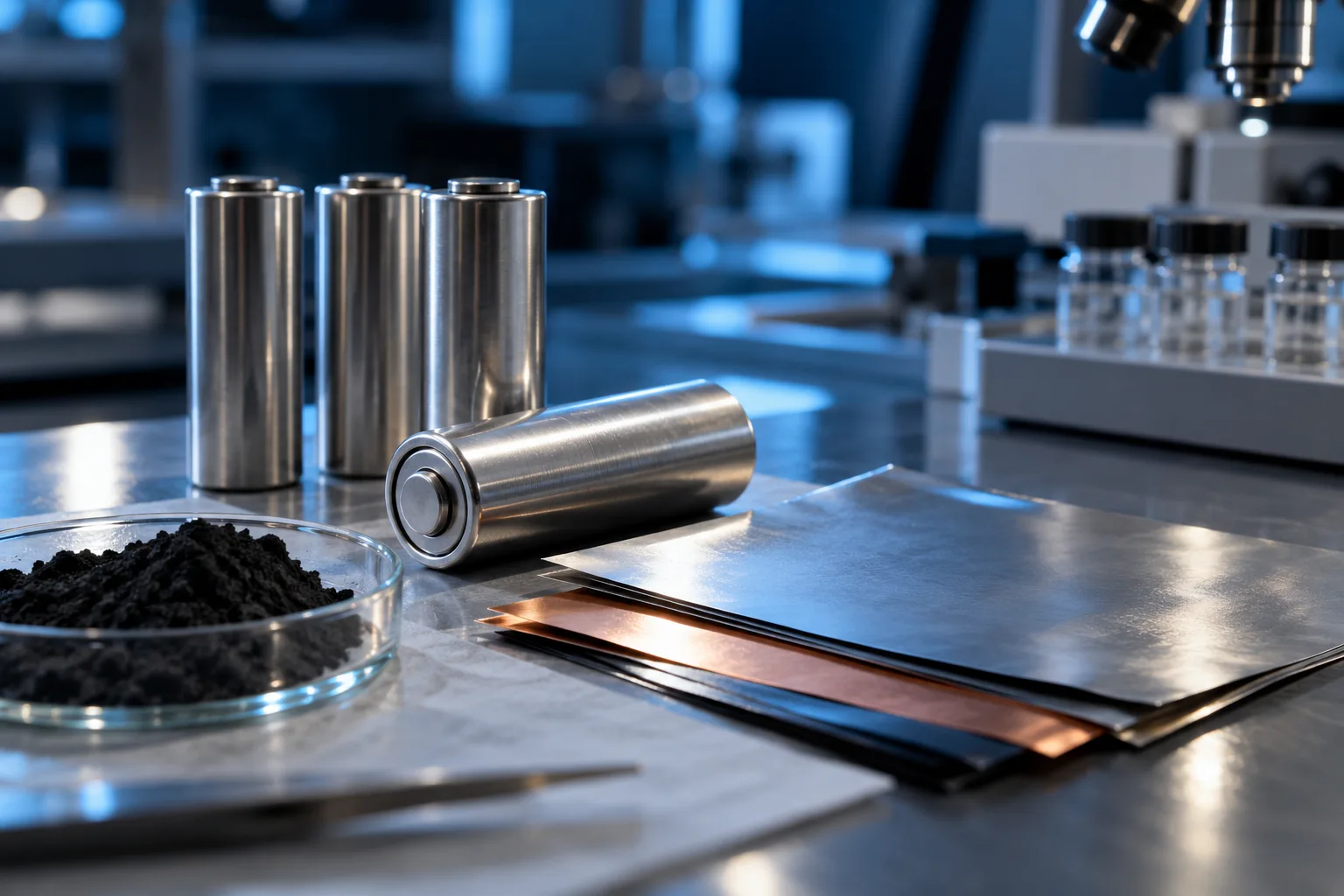
Shared underground heat store for apartment blocks
Residents of apartment blocks may need heat at times when it is expensive or high in carbon to make. Building owners may have no space or simple way to store heat made at another time.
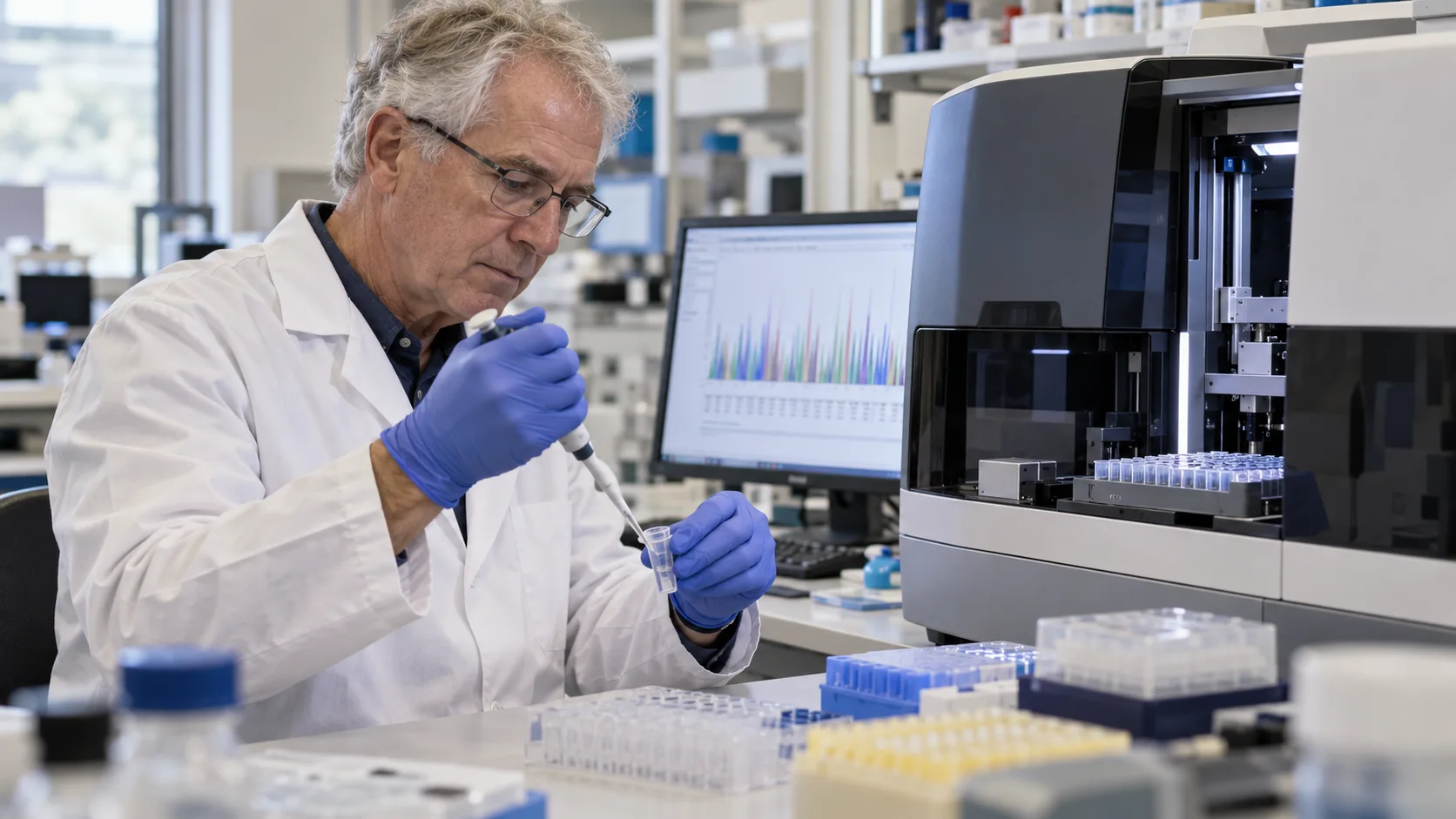
Sealed DNA archive cartridge
Some organisations need to keep a small, fixed set of records for many years. DNA is a dense medium that can be stored without power, but it remains a laboratory technology, so the open question for an archive is whether it could ever be practical.
How we label evidence
Primary research comes first. Preprints are labelled. Grants and patents are not treated as proof that something works. Every correction is logged, and every page shows its revision history.
Read the methodology →- Demonstrated
- Shown in a published experiment, test or shipping product.
- Reported, unverified
- Stated by a company or team but not independently confirmed.
- Proposed
- A design or plan that has not yet been built or tested.
- Disputed
- Contested by other credible sources.
- Speculative
- An idea or possible use. Not evidence of anything.
- Superseded
- Replaced by newer evidence.
The future, checked weekly
A short weekly note on what was actually demonstrated, with links to the papers.