Food and agriculture
Producing, protecting and monitoring food.
Technology profiles
Agricultural spray drones
Spray drones are unmanned aircraft that apply crop treatments from low altitude. In the UK, HSE states there are currently no commercial authorisations for pesticide spraying by drone. Published comparisons report more spray drift than from ground sprayers, and one life-cycle study estimates lower energy use per hectare, but evidence on pesticide savings is limited.

Biochar
Biochar is a carbon-rich solid made by heating biomass with little or no oxygen, which can be added to soil to store carbon for a long time. Field and laboratory evidence suggests much of its carbon persists for decades or longer, but yield effects vary widely by region and soil, and credited volumes are reported inconsistently.
Crops with boosted photosynthesis
Plant scientists are engineering crops to waste less light energy and carbon, either by recovering faster from the protective heat release that follows shade or by bypassing photorespiration. Several replicated field trials report yield or biomass gains, but the soybean yield result is disputed and no independent multi-site replication is confirmed in the sources reviewed.
Cultivated meat
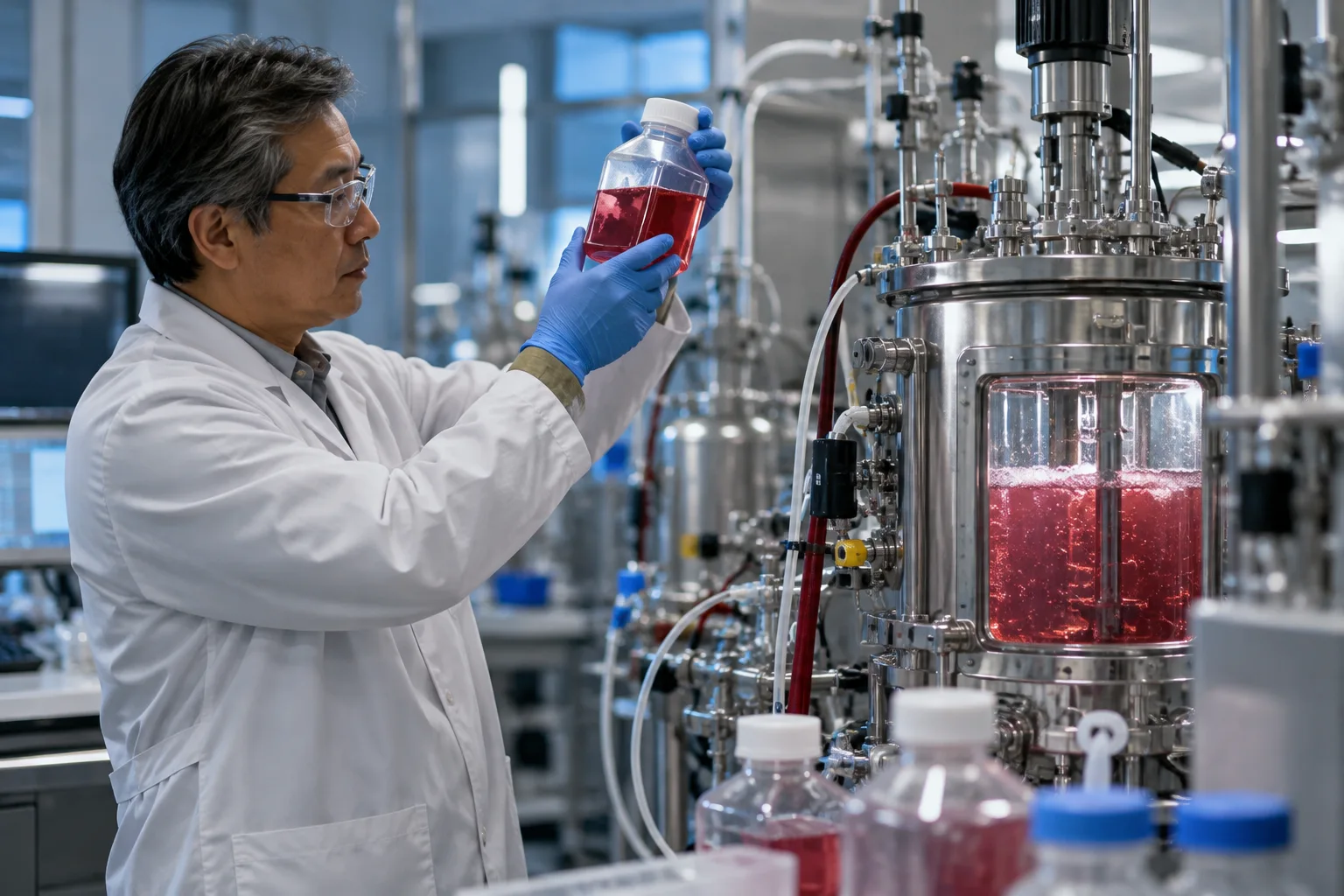
Cultivated meat is produced by growing animal cells in bioreactors instead of raising whole animals. US, UK, and Australian and New Zealand regulators have started product-specific reviews, but high culture media costs and the need for structures to support thick tissue remain major hurdles.
Drought-tolerant crops
Crop varieties bred or engineered to keep yields up when rain is short. Conventionally bred drought-tolerant maize is in use in parts of sub-Saharan Africa, while the transgenic HB4 wheat and soybean have regulatory approvals in several countries but limited evidence of farm-scale performance.
Enhanced rock weathering
Enhanced rock weathering spreads finely crushed silicate rock, such as basalt, on farmland so that it dissolves and locks CO2 into carbonate. Field trials show measurable removal and some yield gains, but removal is mostly calculated rather than measured, and estimates of scale and cost vary widely.
Gene-edited crops
Gene-edited crops are plants changed with precise tools such as CRISPR-Cas9, which can alter a plant's own genes. A 2017 lab study showed the approach can change plant chemistry, and the UK Genetic Technology (Precision Breeding) Act 2023 created a separate legal route for precision-bred plants in England. Rules differ widely between countries.
Gene-edited livestock
Farm animals with targeted gene edits have reached regulatory decisions. FDA approved a PRRS-resistant pig in 2025 and made a low-risk determination for heat-tolerant cattle in 2022, but broad sales depend on export-market approvals and public acceptance.
Hyperspectral imaging
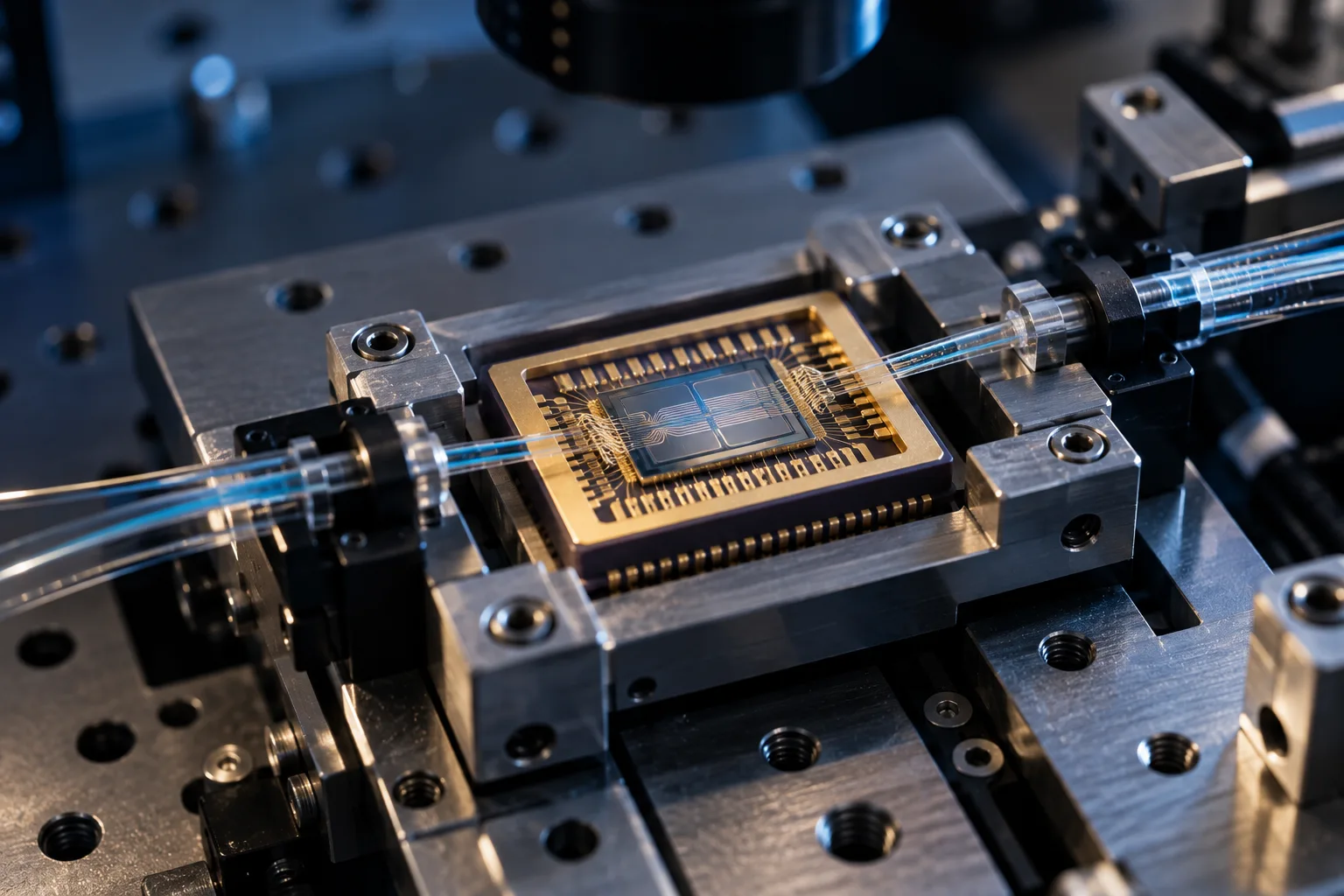
Hyperspectral imaging records the light reaching each point in hundreds of narrow wavelength bands, so it can separate materials that look the same to a normal colour camera. Two hyperspectral Earth-observation satellites are in orbit and food-sorting systems have been tested on industrial lines, while crop disease detection and medical diagnosis are still mostly at research stage.
Insect protein farming
Insect protein farming rears insects such as black soldier fly and yellow mealworm on organic side-streams and processes the larvae into protein and fat for feed and, more rarely, food. Feed use is permitted in the EU, and EFSA has found dried yellow mealworm safe as a food under set conditions. Ynsect, a French producer, went into liquidation in December 2025, so the business case is unproven.
Laser and robotic weeding
Robots that weed with lasers, targeted sprays or mechanical tools aim to reduce the blanket herbicide applied to crops. Field trials show strong weed control from lasers on young weeds and substantial herbicide savings from targeted spraying in some trials, but the savings depend heavily on weed pressure and the independent evidence is still thin.
Nitrogen-fixing cereals
Nitrogen-fixing cereals would take nitrogen from the air through engineered plants or root-associated microbes, reducing the need for synthetic fertiliser. Some commercial microbial products are sold for maize, but their field results vary, and engineering cereals to fix nitrogen themselves has so far only reached early laboratory steps.
Perennial grains
Perennial grains are cereal crops that live for several years and regrow from the same roots, so farmers do not have to replant them every season. Kernza and perennial rice are the best-documented examples, but yields tend to fall as stands age and soil carbon gains have not been shown at scale.
Plant microbial fuel cells
Plant and soil microbial fuel cells harvest small electrical currents from microbes that live around plant roots or in soil. Published studies since 2008 report small outputs. Later work from 2024 and 2026 describes longer runs and sensor use, but its full results could not be checked, so its figures are treated as unverified.
Precision fermentation
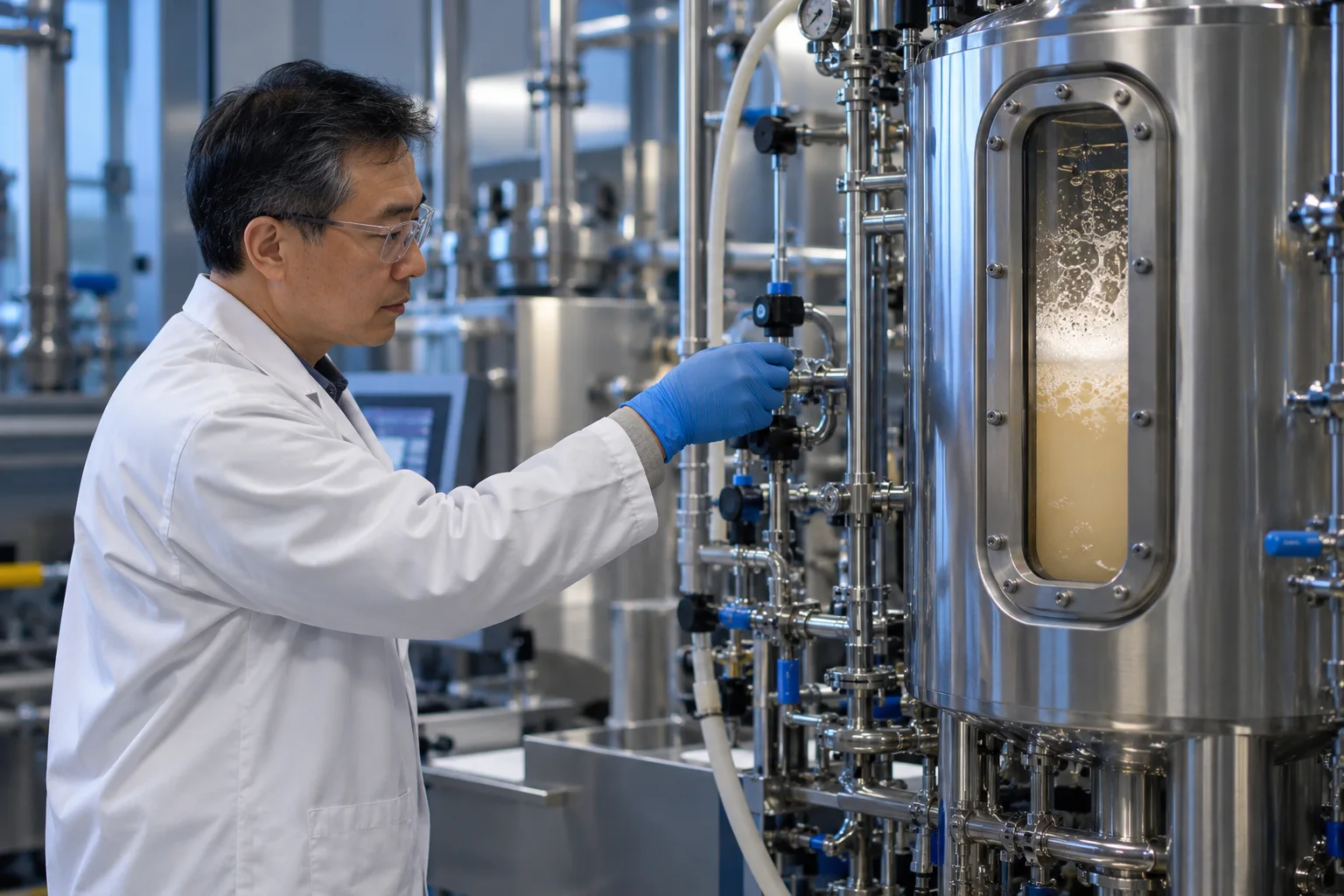
Precision fermentation uses microorganisms engineered to make specific animal proteins, such as whey protein, without farmed animals. The FDA's public GRAS notice inventory records 'no questions' responses for some fermentation-made beta-lactoglobulin ingredients with stated food uses. Lab-scale work has also produced recombinant casein at low titre. Evidence on cost and scale-up is still limited.
Precision livestock farming
Precision livestock farming uses sensors, cameras and software to monitor individual farm animals, for example to flag heat, illness or milking readiness. Heat-detection collars have device-level validation studies, but one review finds the claimed welfare benefits of wider monitoring largely unproven. A feed additive used to cut dairy methane is under a new EU safety review.
Protein made from air and electricity
Gas fermentation grows microbes on hydrogen, carbon dioxide and oxygen, then dries the cells into a protein powder for food or feed. One producer reports a food approval in Singapore and a self-affirmed GRAS conclusion in the United States, but published cost and life-cycle studies depend heavily on low-carbon electricity and are mostly modelled rather than measured at scale.
Recirculating aquaculture systems
Recirculating aquaculture systems (RAS) raise fish in land-based tanks that filter and reuse most of their water. They need large amounts of energy, are costly to build, and have suffered failures and closures.
Robotic fruit and vegetable harvesting
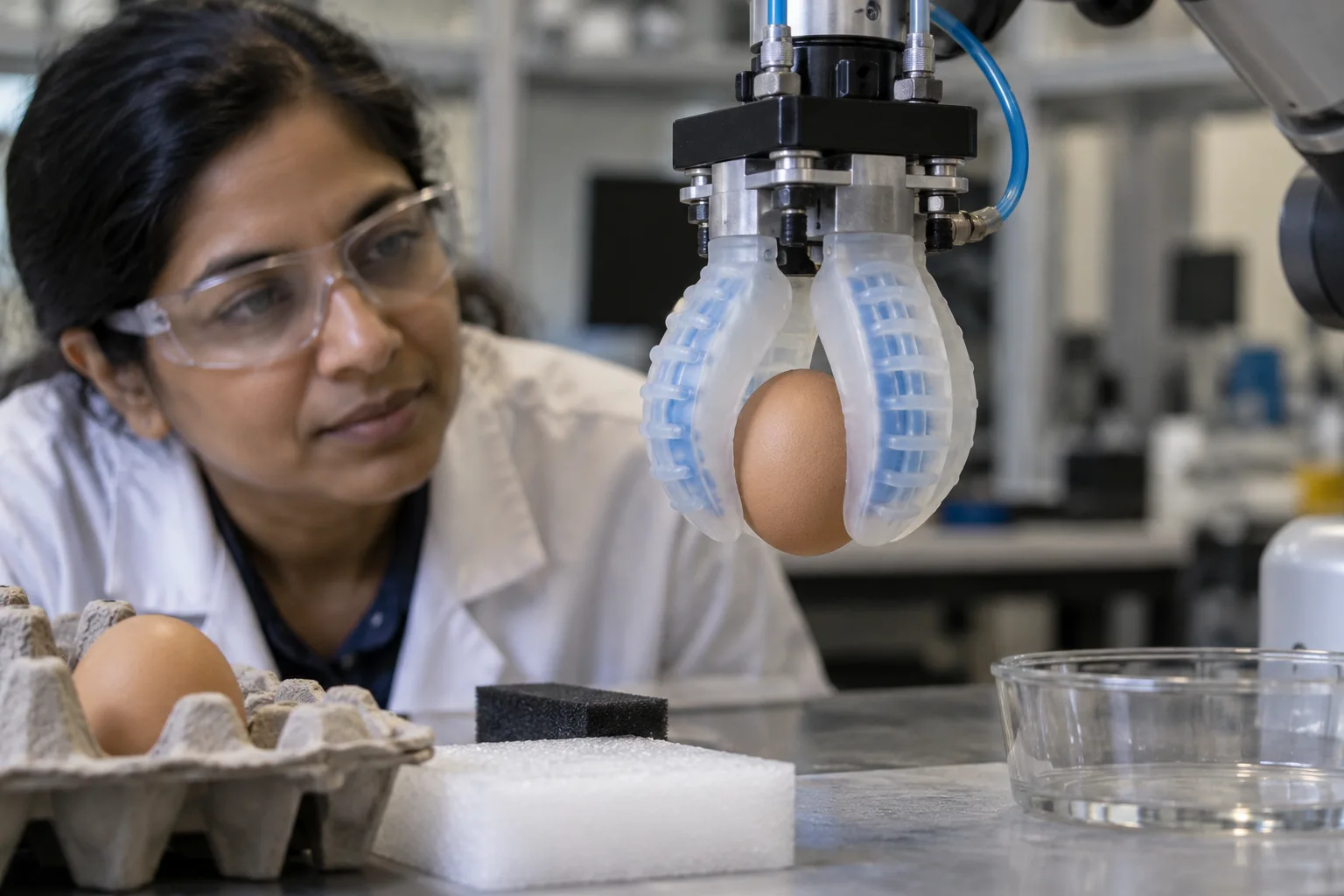
Robots that pick strawberries, apples, sweet peppers and other crops have moved from research prototypes into field trials and early commercial pilots. Published field trials report first-attempt success rates from about 18% to 97.1%, and occlusion, ripeness detection and picking speed remain the main limits.
Seaweed farming at scale
Farmed seaweed is already produced at scale, and it is being promoted for carbon removal and for cutting methane from cattle. The carbon claim is disputed among ocean scientists. The methane evidence is early, comes from trial results for one red seaweed, and the authors of the summary we checked call for replication.
Sprayable RNA biopesticides
Sprayable RNA biopesticides are double-stranded RNA (dsRNA) products that switch off a target pest's gene when the pest eats or absorbs them. Ledprona, sold as Calantha, was registered by the US EPA in December 2023 for Colorado potato beetle, but independent data on how long the spray lasts in the field, its production cost and resistance risk are still limited.
Vertical farming and controlled-environment agriculture
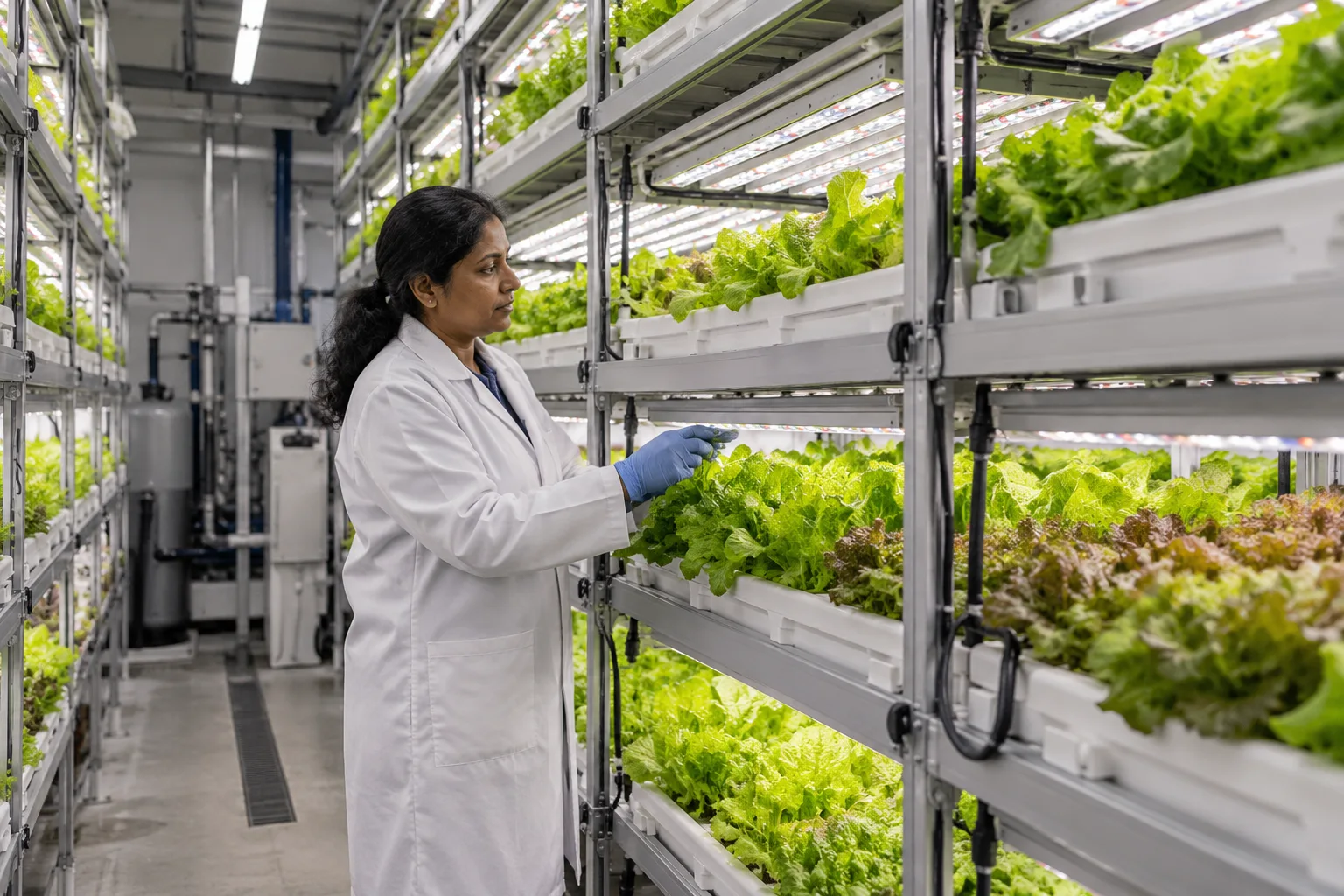
Vertical farming grows crops indoors in stacked layers under artificial light and controlled climate. It can produce high yields per floor area, but lighting and climate control require substantial energy. Life-cycle studies show that its climate impact depends strongly on the electricity supply, waste-heat recovery, crop and facility design; benefits in one category, such as land use, do not guarantee lower impacts in others.
How far away are we?
Biochar as mainstream carbon removal
Scaling up · 2 of 7 steps done
Crops picked by robots instead of people
Pilots · 3 of 8 steps done
Crops that keep yielding in drought
Scaling up · 3 of 7 steps done
Cultivated meat at supermarket prices
Pilots · 1 of 6 steps done
Cutting cattle methane with seaweed feed
Pilots · 2 of 7 steps done
Every farm animal monitored by sensors
Pilots · 3 of 8 steps done
Farming with far fewer chemical pesticides
Pilots · 4 of 8 steps done
Farming without synthetic fertiliser
Pilots · 2 of 6 steps done
Farmland that pulls CO2 out of the air with crushed rock
Pilots · 3 of 7 steps done
Food made from air and electricity
Pilots · 4 of 8 steps done
Indoor vertical farms competing on price with field crops
Pilots · 5 of 7 steps done
Insects as everyday food and animal feed
Pilots · 4 of 8 steps done
Meat from gene-edited animals in supermarkets
Pilots · 2 of 7 steps done
Most fish farmed on land
Pilots · 1 of 6 steps done
Breakthroughs
Gene-edited wheat cuts grain free asparagine by up to 93% in field trials
A 2026 Plant Biotechnology Journal paper by Kaur and colleagues (Rothamsted Research and partners) reports CRISPR/Cas9 knockouts in the wheat cultivar Cadenza, grown in two field seasons (2022 to 2023 and 2023 to 2024) at one site in Harpenden, UK. Combined across both seasons, the TaASN2 knockout reduced free asparagine in the grain by 59%, and the TaASN1/2 knockout reduced it by 93%, both compared with Cadenza. The abstract reports that yield was not affected in the edited lines. In bread from the TaASN1/2 line, acrylamide was below the detection limit. In biscuits from the same line, acrylamide was 93% lower than the control according to the abstract (92% according to the full text). After four minutes of toasting, acrylamide remained at 8% (TaASN1/2) and 23% (TaASN2) of the control.
Soybean gene knockout reported to raise pod number and yield per plant
The Chinese Academy of Sciences announced on 14 January 2026 that CRISPR-Cas9 disruption of the soybean gene GmCKX3 increased pod number and seed yield per plant, with increases described as exceeding 40%. The release says the gains were especially marked under high-density planting conditions, and that lodging resistance was unaffected, seed oil content was unchanged and protein content showed a modest increase. The release does not give a planting density value, the control used, the number of sites or seasons, or the sample size.
Intermediate wheatgrass grain yield fell 23.4% from year one to year two
In a study by authors at the University of Minnesota, grain yield of the perennial cereal intermediate wheatgrass fell by 23.4% between year one and year two. The abstract attributes the fall to lower seed mass, with seed number and spike number not reduced. Higher year-one yields were linked to senescence onset being delayed by 421.4 degrees C days. The abstract reports about 1,080 observations across two consecutive growing seasons.
Tel Aviv University team edits over 1,300 tomato plants, each with a different gene group targeted
A Tel Aviv University news release, dated June 2025, describes a CRISPR method that starts from leaf tissue rather than seeds and can target thousands of genes at once. The researchers created over 1,300 tomato plants, each with edits in a different gene group. The release reports significant changes in traits including sweetness and nutrient use. It gives no numerical effect sizes, and it does not state the field or greenhouse conditions or the number of replicates.
EU authorises UV-treated yellow mealworm powder as a novel food
On 20 January 2025 the European Commission authorised the placing on the market of UV-treated powder of whole, thermally treated and ground yellow mealworm (Tenebrio molitor) larvae as a novel food. The Commission's insect novel food page links the authorisation to Commission Implementing Regulation (EU) 2025/89. The page gives no conditions of use beyond the applicant's proposal, and no feed conversion, cost or environmental figures for the product.
Genome-reduced Bacillus subtilis reaches 56.9 mg/L of alpha-S1-casein in fed-batch
In a 42 litre fed-batch fermenter run in biological duplicate, the genome-reduced Bacillus subtilis strain IIG-Bs-20-5-1 reached a maximum alpha-S1-casein content of 56.9 ± 11.6 mg/L of bovine alpha-S1-casein, measured 22 hours after induction. The paper reports a yield of 2.16 mg casein per gram of cell dry weight, and 1.6 mg per gram after reducing the host's own protein content. It does not clearly state which processing step the 2.16 figure refers to. Casein was detectable only in the insoluble protein fraction, and only in this strain; the non-sporulating comparison strain BMV9 gave no detectable casein.
Pelleted Asparagopsis seaweed cut methane 37.7% on average in grazing steers
In a 70-day trial with 24 Wagyu-Angus crossbred steers on irrigated pasture at a ranch in Montana, steers given pelleted Asparagopsis taxiformis (Brominata) at 20% of pellet composition had an average enteric methane reduction of 37.7% compared with controls, as stated in the paper. Methane was measured with GreenFeed units, which also dispensed the pellets. The abstract reports 115 vs 185 g/d of enteric methane in the optimal and decreasing phases. Average bromoform intake was 193 mg/d. Liveweight, average daily gain and predicted dry matter intake did not differ between groups. Pasture supplied more than 95% of total feed intake.
USDA finds HB4 drought-tolerant wheat outside its biotech plant regulations
USDA's Animal and Plant Health Inspection Service (APHIS) completed a Regulatory Status Review of HB4 wheat, a genetically modified wheat developed by Bioceres Crop Solutions with drought tolerance and herbicide resistance. APHIS concluded that the wheat is unlikely to pose an increased plant pest risk compared with other cultivated plants, so it is not subject to the regulations in 7 CFR part 340. According to the ISAAA summary, the same exemption covers progeny from crosses with other modified and non-modified plants. The regulator's decision is about plant pest risk. It does not report drought performance, yield or food safety data.
CRISPR-edited tomato line shows less Xanthomonas disease in Florida field trials
A 2024 Plant Biotechnology Journal paper by Ortega and colleagues reports CRISPR/Cas9 edits to the tomato genes Bs5 and Bs5L in the variety Fla. 8000. Two homozygous lines, Slbs5-1 and Slbs5-2, each carry frameshift mutations in both genes. In field trials at the Gulf Coast Research and Education Center in Florida, the plants were inoculated with a two-isolate cocktail of Xanthomonas perforans race T4 to raise disease pressure, and no bactericides or systemic acquired resistance activators were used. Line Slbs5-2 had a higher share of leaves with reduced disease symptoms than wild type in all tested seasons (Spring 2018, Fall 2019 and Fall 2023). There was no statistically significant difference in marketable fruit yield between Slbs5-2 and wild-type plants across all seasons.
Singapore approves Solein, a protein powder grown from CO2 and hydrogen
Solar Foods announced on 26 October 2022 that the Singapore Food Agency (SFA) had approved Solein, a microbial protein-rich powder made by Solar Foods, allowing the sale of food products containing it in Singapore. The announcement gives no exact approval date. It gives the powder's composition as 65-70% protein, 5-8% fat and 3-5% mineral nutrients, and says the microbes are fed carbon dioxide, hydrogen and oxygen, with small amounts of nutrients. It does not name the microbe and gives no details of the safety assessment.
Soybean lines with faster recovery from light protection yielded up to 33% more seed in field trials
In replicated field trials, soybean lines carrying three transgenes that speed the relaxation of nonphotochemical quenching showed higher photosynthetic efficiency in fluctuating light. The paper reports seed yield gains of up to 33% across five independent transgenic lines, with seed protein and oil content unchanged.