Energy and storage
Generating, storing and moving energy.
Technology profiles

Artificial photosynthesis
Artificial leaves are devices that use sunlight to split water into hydrogen and oxygen in one integrated unit. Laboratory modules have reached about 11% solar-to-hydrogen efficiency under one-sun illumination, but durability and outdoor performance at useful scale have not yet been shown.
Elastocaloric cooling
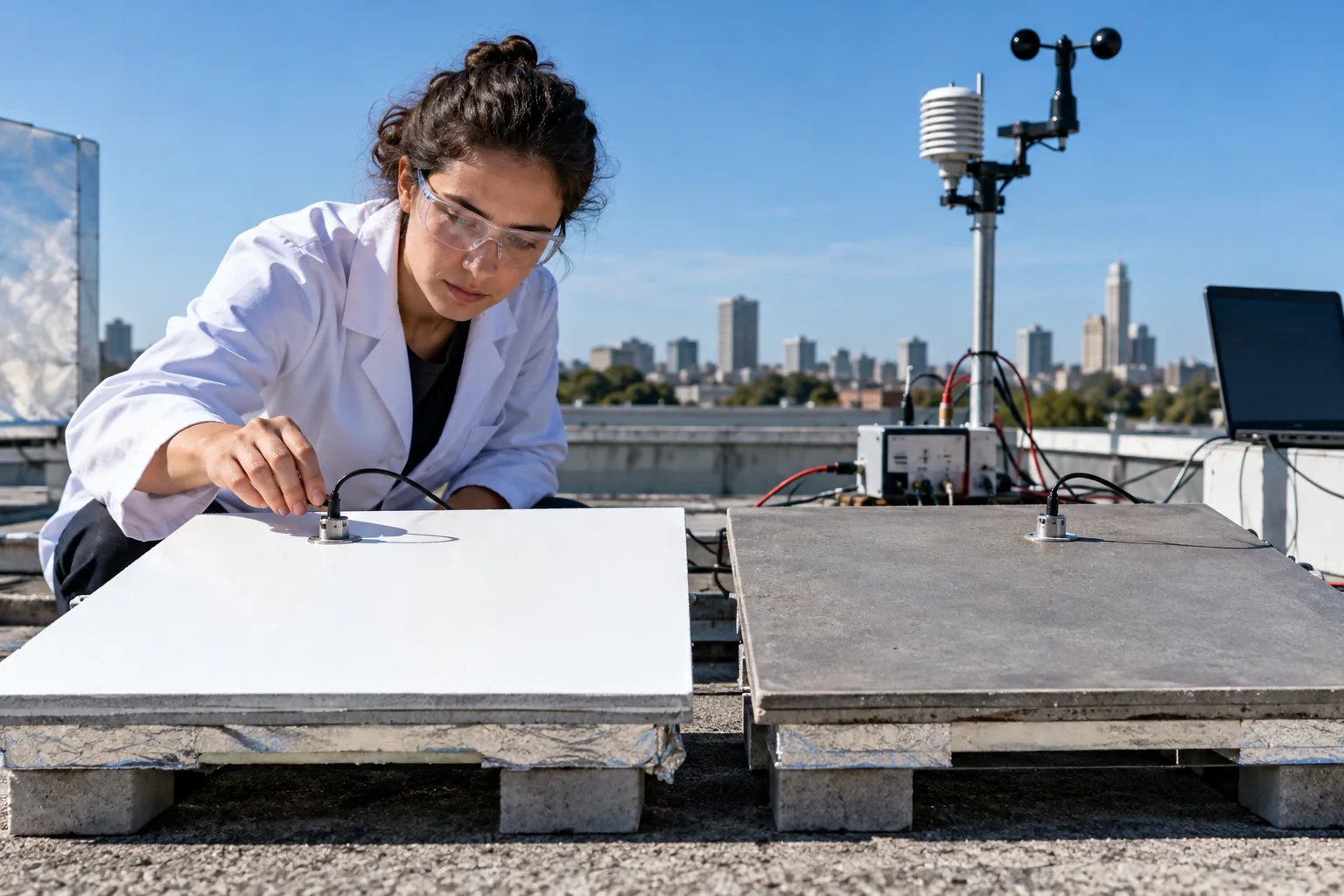
Elastocaloric cooling uses mechanical stress to make a shape-memory material warm and cool as its crystal structure changes. Laboratory systems have produced continuous cold air, kilowatt-scale cooling at zero temperature lift, and a small heat-driven device. The results are promising engineering demonstrations, but efficiency, fatigue life, system cost and performance under useful operating conditions remain open questions.
Electric aircraft
Electric aircraft drive their propellers or fans with electric motors, powered either by batteries alone or by batteries combined with a fuel-burning engine. A two-seat electric trainer is type-certified, and larger hybrid-electric demonstrators have flown, but the sources reviewed here show no airline service on regional or longer routes.
Electric space propulsion
Electric space propulsion uses electrical power, usually from solar arrays, to accelerate a gas such as xenon out of a spacecraft. It uses far less propellant than chemical rockets for the same change in speed, but its thrust is very small, so it works over months or years.
Electric vertical take-off and landing aircraft
Electric vertical take-off and landing (eVTOL) aircraft use batteries and electric motors to lift off and land vertically, with short urban air taxi trips as the main goal. Developers are in late-stage testing toward regulatory certification, but the sources reviewed here do not confirm a type certificate, and battery energy and power remain the main technical limits.
Electrochemical CO2 conversion
Electrochemical CO2 conversion uses electricity to turn carbon dioxide into chemicals such as formate. Prototype stacks built from 1,526 cm² cells have been reported, but long-term stability, energy use and climate benefit at industrial scale are not yet shown.
Electrolysers for low-carbon hydrogen
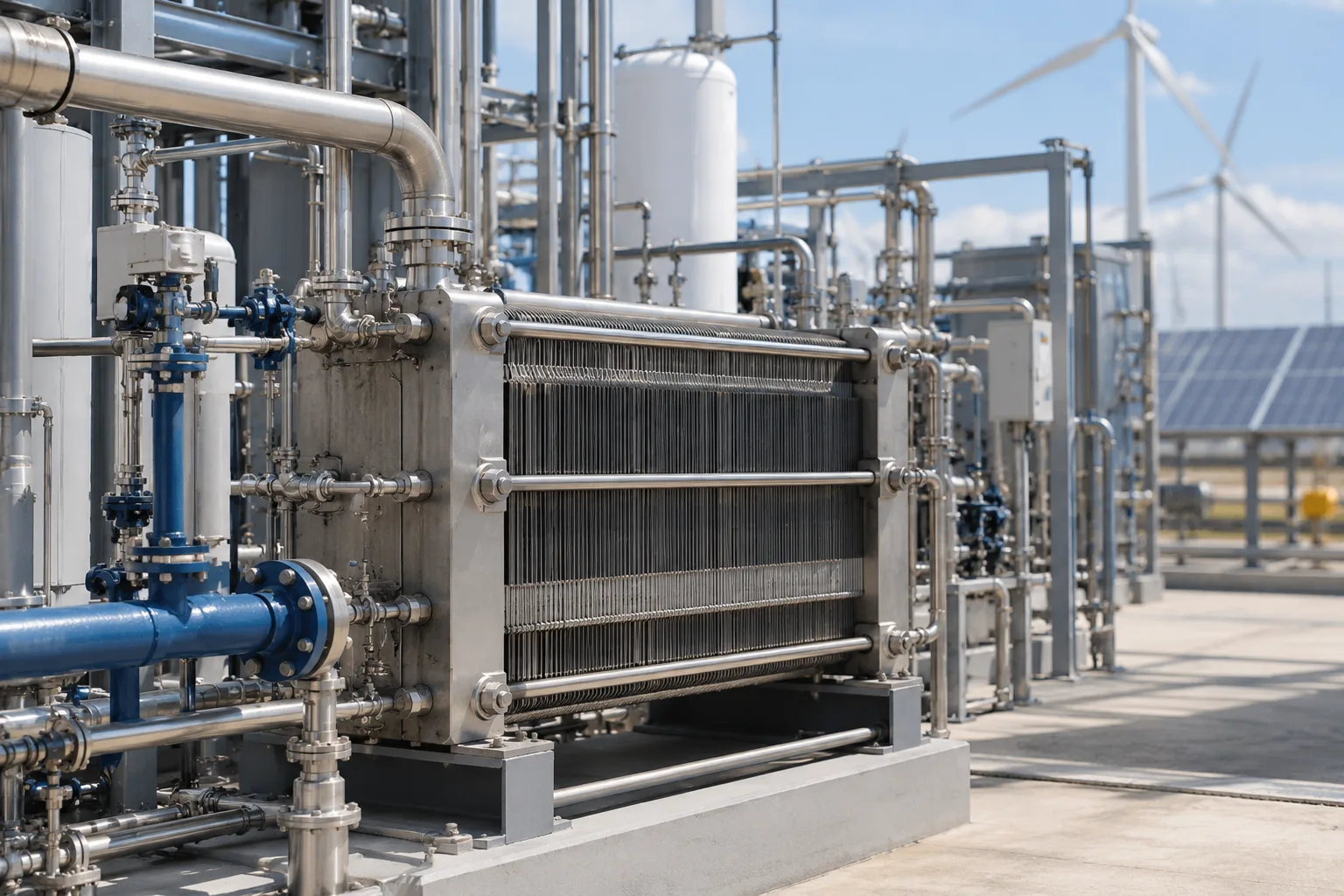
Electrolysers use electricity to split water into hydrogen and oxygen. Alkaline and proton-exchange-membrane systems are commercially available, while solid-oxide and anion-exchange-membrane designs offer different trade-offs and maturity levels. Hydrogen is only low emissions when the electricity and wider supply chain are low emissions; project announcements and electrolyser capacity do not by themselves establish climate benefit or delivered hydrogen output.
Enhanced geothermal systems
Enhanced geothermal systems (EGS) engineer flow paths through hot rock that does not let water pass easily, so that water can circulate, pick up heat and return to the surface. A 30-day circulation test at a Utah research site in 2024 was reported by the U.S. Department of Energy as positive initial evidence, but long-term heat output and induced seismicity are not yet established across projects.
Flow batteries
Flow batteries store energy in liquid electrolytes kept in tanks and pumped past electrochemical cells to charge and discharge. The vanadium version has reached utility scale in China, where a 100 MW / 400 MWh installation was reported as connected to the grid in 2022, but system cost, efficiency and long-term durability are still being established.
Fusion energy
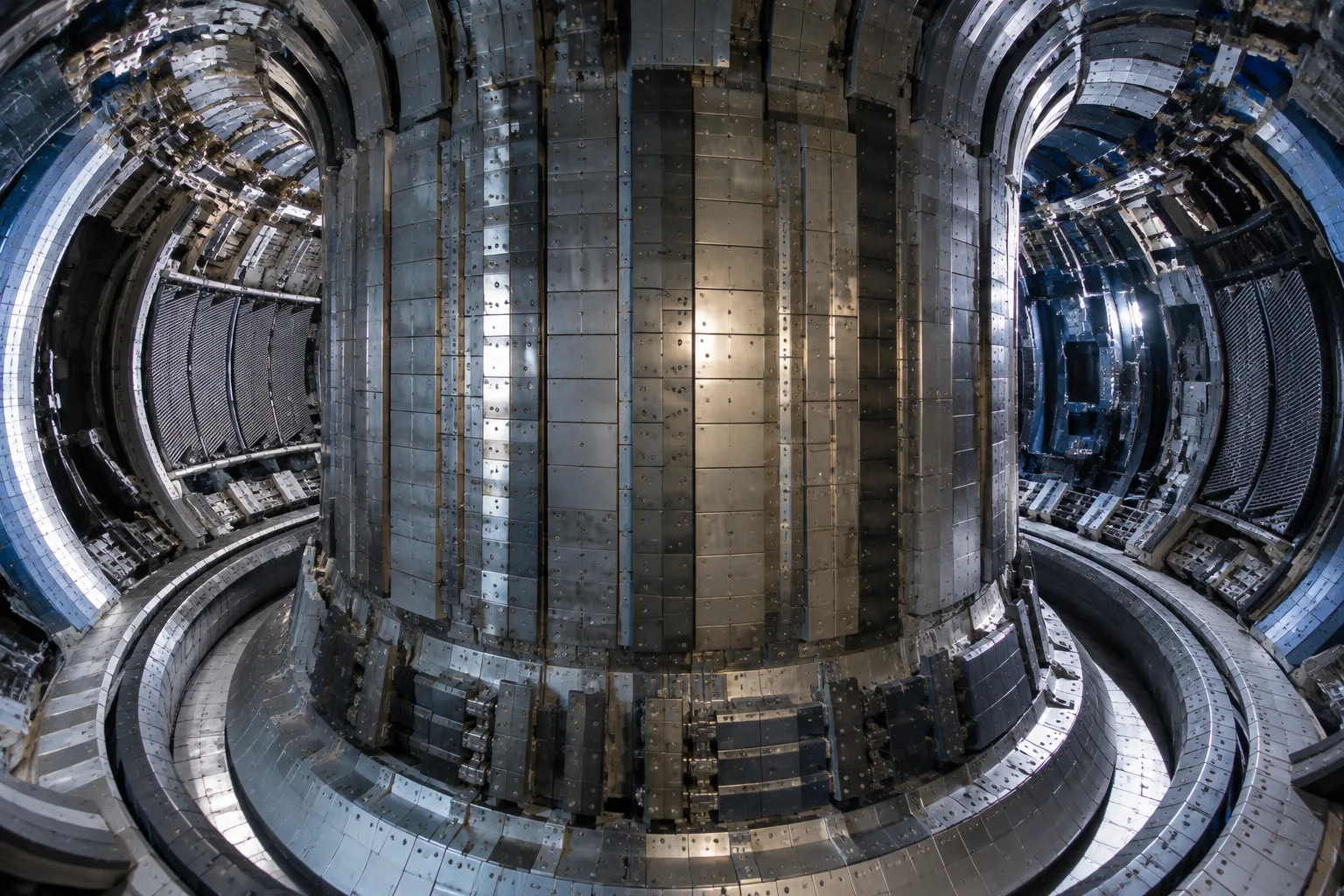
Fusion energy joins light atoms to release energy, the process that powers the Sun. Laser experiments at the US National Ignition Facility have produced more fusion energy than the laser energy delivered to the target, and magnetic machines have set energy records. No fusion plant yet supplies net electricity to a grid.
Hydrogen aircraft
Hydrogen aircraft would use hydrogen either in a fuel cell that drives electric propellers or in a modified gas turbine. Engine and fuel-cell tests, an uncrewed drone flight and airport ground trials have taken place, but no hydrogen passenger aircraft has entered service and the climate benefit depends on how the hydrogen is made.
Iron-air batteries
Iron-air batteries are a long-duration storage design that uses iron, oxygen from the air and a water-based electrolyte, aimed at delivering power for days rather than hours. In a 2025 California Energy Commission report, kilowatt-scale prototype modules discharged for more than 100 hours under controlled tests, but round-trip efficiency is not public and no multi-day commercial plant has yet been shown to operate.
Lead-acid batteries
Lead-acid batteries store electricity in a reversible chemical reaction between lead-based plates in dilute sulphuric acid. Gaston Planté built the first practical rechargeable version in 1859, and the design was later used to start petrol engines and power car lighting.
Lithium-ion batteries
Lithium-ion batteries store and release electricity by moving lithium ions between two electrodes, and they power electric cars. Their cost and energy density keep changing, but fire risk, dependence on nickel-containing chemistries and recycling that is still developing remains an open limit.
Low-boom supersonic aircraft
Low-boom supersonic aircraft aim to fly faster than sound while making the sonic boom heard on the ground much quieter. NASA's X-59 research aircraft has flown supersonically, but no passenger aircraft has yet shown quiet overland flight, certification or airline economics.
Magnetic levitation
Magnetic levitation uses magnetic forces to support an object without contact. Maglev trains and laboratory demonstrations show that it works, but stable support usually depends on a purpose-built track or supporting structure, so it is not the same as a free-floating board.
Making oxygen and fuel on Mars
NASA's MOXIE instrument on the Perseverance rover made oxygen from the Martian atmosphere over 16 runs, reaching 12 grams per hour at its most efficient. Making methane fuel and extracting water on Mars, and scaling oxygen production for crewed missions, remain at model, proposal or concept stage.
Nuclear space propulsion and power
Nuclear energy already supplies electricity on some spacecraft through radioisotope generators, and one fission reactor flew in Earth orbit in 1965. Nuclear thermal and nuclear electric propulsion have been tested on the ground or planned, but have not yet flown, and NASA's planned SR-1 Freedom mission targets a launch in late 2028.
Ocean thermal energy conversion
Ocean thermal energy conversion (OTEC) runs a heat engine on the temperature difference between warm surface seawater and cold deep seawater. Net electricity was reported at small scale in a 1979 offshore test. The most recent reported result is electrical output from short 2026 sea trials of a 20 kW-class prototype, but no long-duration offshore plant has yet been reported.
Perovskite-silicon tandem solar cells
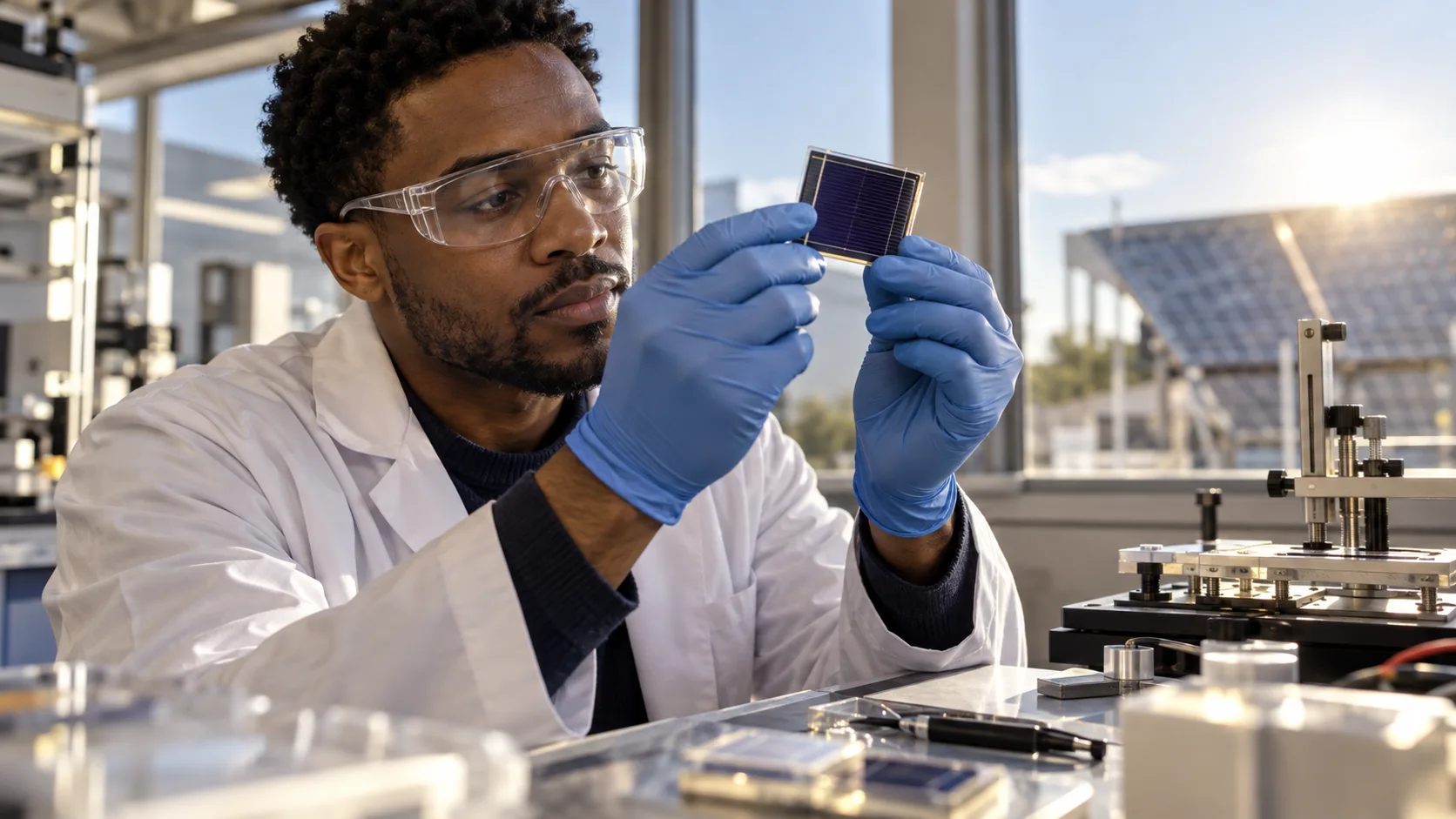
Perovskite-silicon tandem solar cells stack a thin perovskite layer on top of a conventional silicon cell so that each layer captures a different part of sunlight. Certified laboratory cells have passed the efficiency limit of single-junction silicon, a certified 60 cm² device reached 28.9% in 2025, and first commercial modules shipped in 2024, but long-term outdoor durability is still being proven.
Petroleum refining
Petroleum refining separates crude oil into fractions and changes their molecules to make petrol, diesel, jet fuel and lubricating oils. Its key steps ran from early kerosene stills to catalytic cracking in the 1930s. EPA reports that refinery sulphur dioxide and nitrogen oxide emissions have fallen since 2000.
Plant microbial fuel cells
Plant and soil microbial fuel cells harvest small electrical currents from microbes that live around plant roots or in soil. Published studies since 2008 report small outputs. Later work from 2024 and 2026 describes longer runs and sensor use, but its full results could not be checked, so its figures are treated as unverified.
Seawater electrolysis
Seawater electrolysis uses electricity to split seawater directly into hydrogen and oxygen, without first removing the salt. Laboratory and small-device studies report long test runs, but no complete system has yet been shown to be cheaper, cleaner or more reliable than purifying water first.
Small modular nuclear reactors
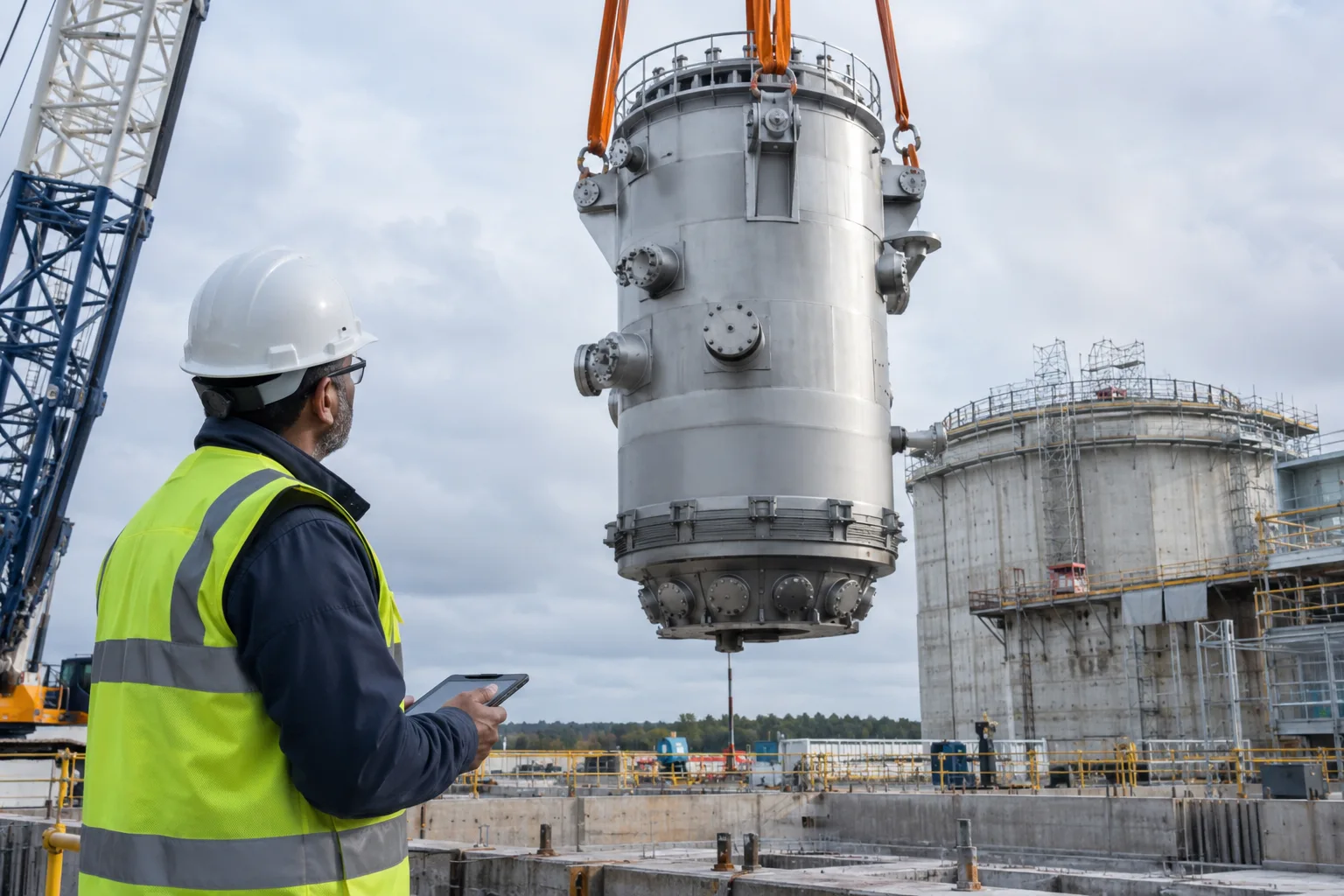
Small modular reactors are fission reactors with a smaller output than conventional nuclear plants, intended to be built partly in factories. Regulators have licensed a first construction project in Canada and approved a design in the United States. The sources reviewed here give no verified operating or cost figures for these designs.
Sodium-ion batteries
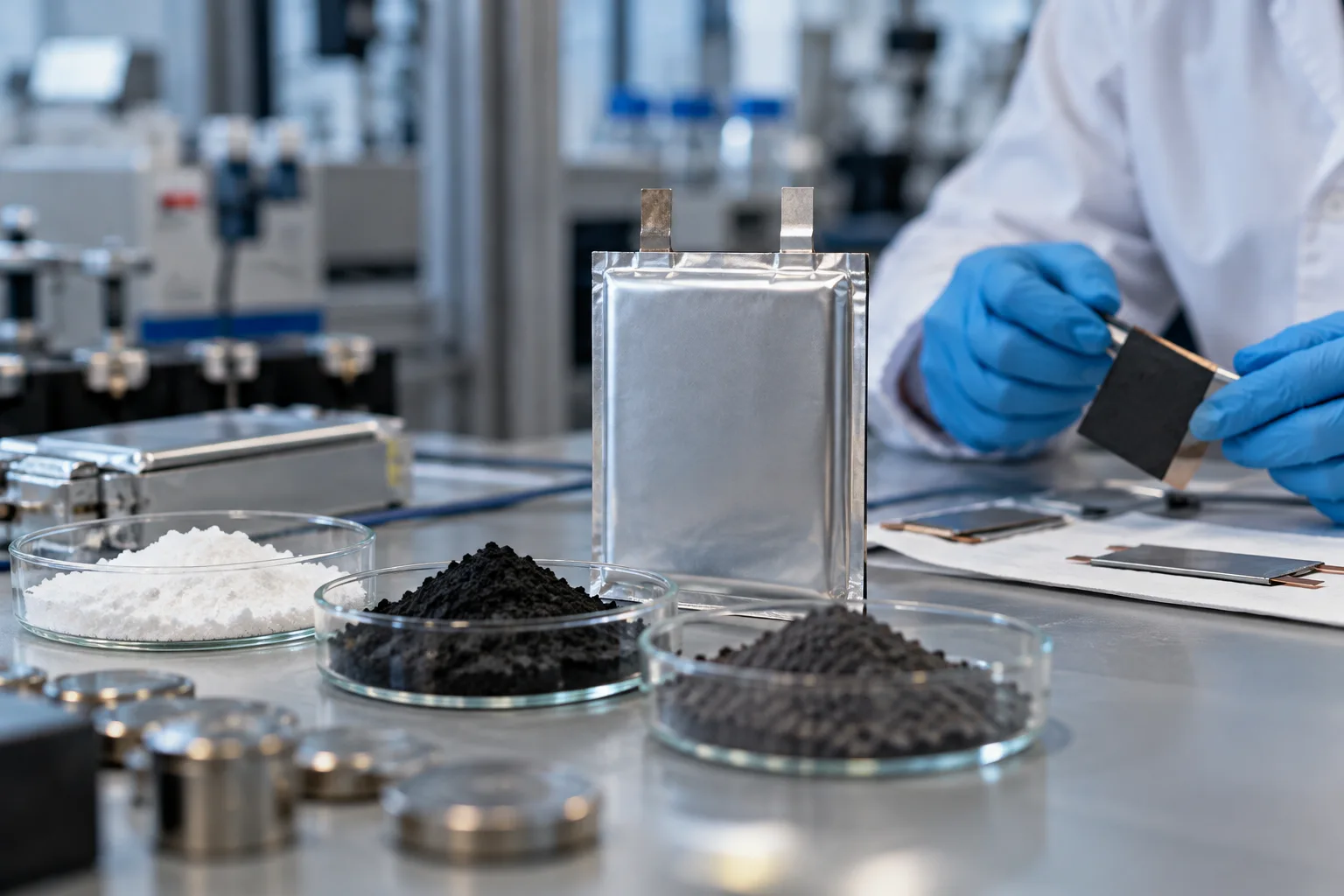
Sodium-ion batteries store energy by shuttling sodium ions between two electrodes, much as lithium-ion batteries do with lithium. They use abundant materials and manufacturers now claim early mass production, but they still store less energy per kilogram than the best lithium-ion cells.
Solid-state batteries
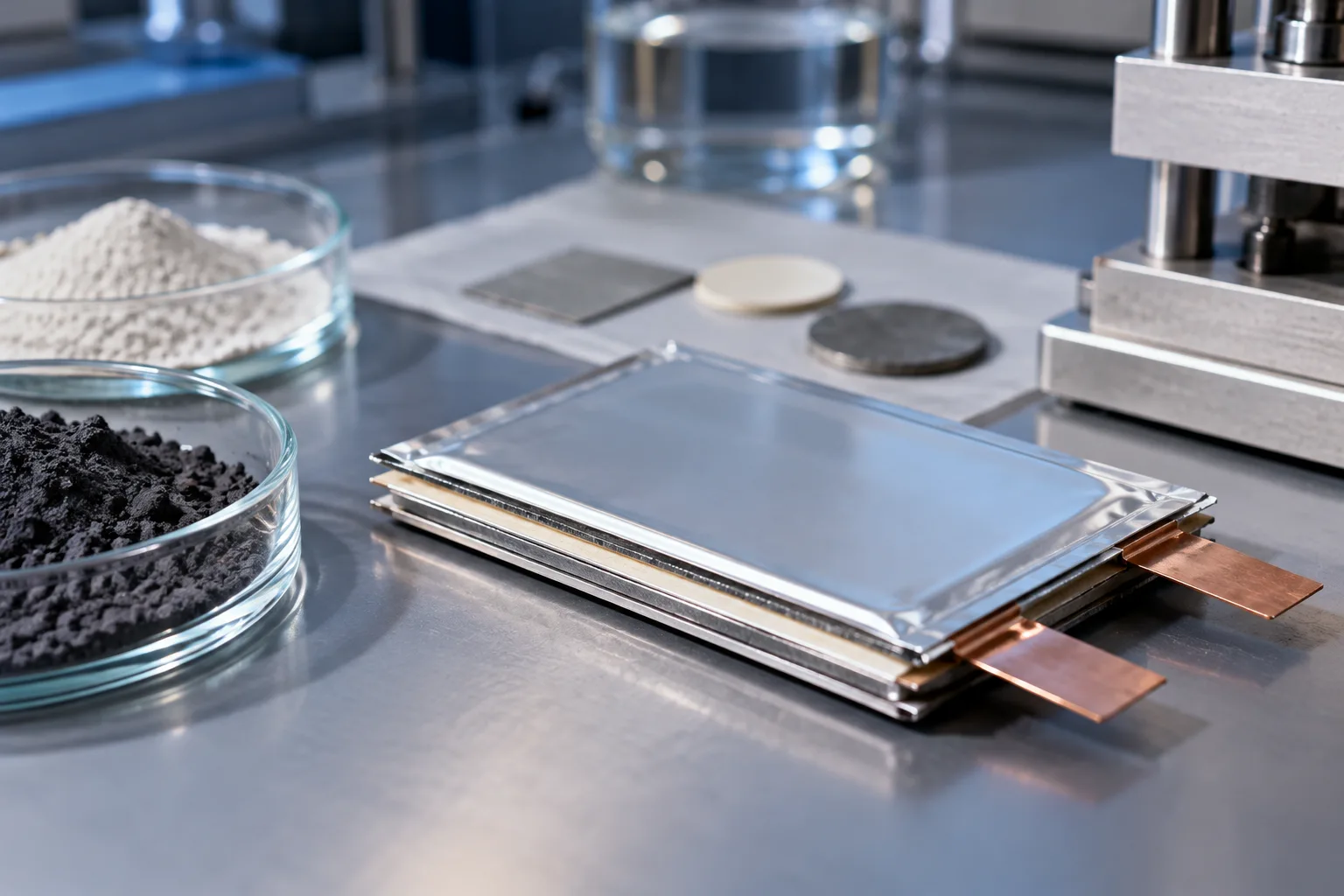
Solid-state batteries replace the liquid electrolyte in a conventional lithium-ion cell with a solid material. The proposed benefits include higher energy density. The sources reviewed here describe materials and processing challenges that remain open, and they give no verified cost figures for commercial cells.
Space-based solar power
Space-based solar power would collect sunlight with large structures in orbit and beam the energy to Earth as microwaves or laser light. A small in-orbit wireless power test has been demonstrated, but no complete orbital power system has yet delivered electricity to a grid.
Structural batteries
A structural battery stores electrical energy while also carrying mechanical loads, for example in a composite panel whose carbon fibres act as electrodes. Laboratory cells have reported energy densities from about 30 to 187 Wh/kg, depending on design, electrolyte and mass basis, and high stiffness, but no complete vehicle or aircraft powered by a load-bearing battery structure has been demonstrated in the sources reviewed.
Superconducting power cables
High-temperature superconducting cables can carry large currents through compact conductors when they are kept cold. A small number of cables and fault-current limiters now run in real grids, but these are specialised links rather than a superconducting grid.
The electric motor
An electric motor turns electrical energy into rotary motion using magnetic force, a principle Michael Faraday demonstrated at the Royal Institution in 1821. From Thomas Davenport's battery-powered motor of 1837 and Nikola Tesla's alternating-current patents of 1888, it now powers electric vehicles and starter motors in the form of permanent-magnet and induction designs.
The internal combustion engine
An internal combustion engine burns fuel inside a closed cylinder to push a piston. The design developed from Lenoir's gas engine of 1860, through Otto's four-stroke engine of 1876 and Diesel's patent of 1892, with spark ignition, carburettors and magnetos added by several inventors and companies.
The motor car
The motor car came together over more than a century from many separate inventions, from Cugnot's steam carriage of 1769 and Benz's gas-engined vehicle patent of 1886 to Ford's mass-produced Model T and today's electronically controlled cars. Electric cars have their own early history, peaking around 1900 before petrol cars took over most of the market.
The steam engine
The steam engine turns the pressure of steam, made by heating water with fuel, into mechanical work. Thomas Newcomen's engine of about 1712 was the first practical design, and James Watt's separate condenser of 1769 cut its fuel use. Richard Trevithick's high-pressure engines, and his 1804 locomotive on the Merthyr tramroad, showed that steam could move itself. Road vehicles needed frequent refuelling, and the Locomotives Act 1865 restricted their speed.
Thermal energy storage
Thermal energy storage keeps heat in materials such as sand, bricks, rock or molten salt so that it can be used later for industrial processes or district heating. Operating systems now exist in Finland and at a steel plant in India, but most performance figures still come from the operators or from modelling.
Thermoelectric generators
Thermoelectric generators turn a temperature difference directly into electricity with no moving parts. Radioisotope versions have powered spacecraft and Mars rovers, while wearable and waste-heat versions remain limited by low conversion efficiency and small usable temperature differences.
Vehicle-to-grid
Vehicle-to-grid (V2G) lets an electric car send power from its battery back to a home or the grid, not only take power in. A few UK and Dutch schemes are running, but the evidence on whether discharging speeds up battery wear is mixed, and most of it comes from lab cells or simulations.
Wireless charging roads
Dynamic wireless charging uses coils built into a road to send electricity by magnetic induction to a compatible vehicle while it moves. Short public and test-track pilots report that the energy transfer can work, but efficiency, cost and durability over years have not been shown independently.
How far away are we?
Battery-electric passenger flights
Engineering prototypes · 5 of 8 steps done
Cars and planes whose body is the battery
Science demonstrated · 2 of 6 steps done
Cheap multi-day energy storage for renewables
Pilots · 2 of 7 steps done
Cooling without climate-warming refrigerants
Engineering prototypes · 4 of 7 steps done
Electric cars that power the grid
Pilots · 2 of 9 steps done
Electricity from living plants
Engineering prototypes · 4 of 7 steps done
Electricity from waste heat
Engineering prototypes · 4 of 8 steps done
Factories heated by stored renewable heat
Pilots · 3 of 8 steps done

Flying taxis in cities
Pilots · 3 of 7 steps done
Fusion power on the grid
Science demonstrated · 2 of 7 steps done
Geothermal power almost anywhere
Pilots · 3 of 9 steps done
Grid batteries that last for days
Pilots · 2 of 8 steps done
Making fuel from sunlight like a leaf
Engineering prototypes · 5 of 8 steps done
Perovskite solar panels on everyday roofs
Pilots · 3 of 7 steps done
Power cables with zero resistance
Pilots · 4 of 7 steps done
Power from ocean temperature differences
Pilots · 2 of 7 steps done
Roads that charge cars as they drive
Pilots · 4 of 8 steps done
Room-temperature superconductors
Science unproven · 1 of 7 steps done
Travelling by hyperloop
Engineering prototypes · 2 of 7 steps done
Breakthroughs
Utah FORGE's 30-day 2024 circulation test produced water at about 370°F
The U.S. Department of Energy reports that a 30-day circulation test at its Utah FORGE site in August 2024 injected cool water at a consistent rate of 10 barrels per minute. The test produced water at roughly 370°F (about 188°C). The DOE update does not report production flow, water recovery or electrical output for that test.
Modified Pearl 15 jet engine runs on 100% hydrogen through simulated flight cycle
The UK Civil Aviation Authority reported on 20 July 2026, in findings from its Hydrogen Challenge, that Rolls-Royce, working with easyJet, modified a Pearl 15 engine to run on 100% hydrogen up to take-off thrust, and across a fully simulated flight cycle. The release says valuable safety and performance data were collected. It gives no thrust values, test durations, temperatures or performance figures. The test was a simulation of the flight stages, not a flight of an aircraft.
Perovskite-silicon tandem cell reaches certified 28.9% efficiency at 60 cm²
A perovskite-silicon tandem solar cell with a 60 cm² active area reached a certified steady-state efficiency of 28.9%, certified by Fraunhofer ISE CalLab. The reverse-scan efficiency was 29.0%, with an open-circuit voltage of 1.965 V, a short-circuit current density of 18.87 mA/cm² and a fill factor of 77.94%. Two batches of eight large-area devices averaged 29.5% efficiency. The authors used phosphonic-acid and piperazinium chloride treatments to passivate the perovskite layer, which is the same passivation approach as their 1 cm² cells that reached a certified 31.6% steady-state efficiency.
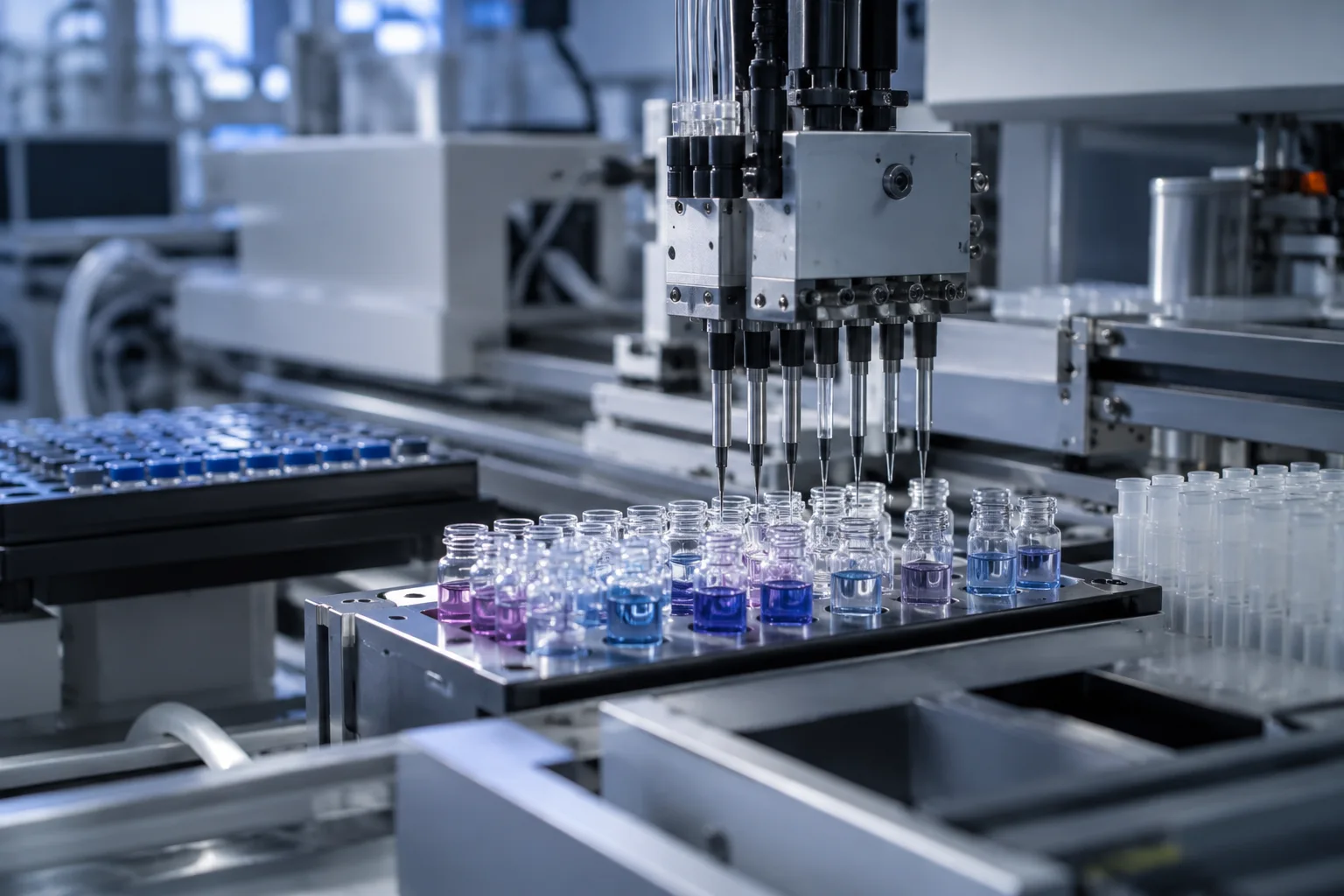
CRESt platform screens more than 900 catalyst chemistries in three months
The Copilot for Real-world Experimental Scientists (CRESt) platform combined multimodal models, knowledge-assisted Bayesian optimisation and robotic experimentation. Applied to electrochemical formate oxidation, the study reports that it explored more than 900 catalyst chemistries and ran 3,500 electrochemical tests over three months, identifying a catalyst in an eight-element Pd–Pt–Cu–Au–Ir–Ce–Nb–Cr composition space with a reported 9.3-fold improvement in cost-specific performance.
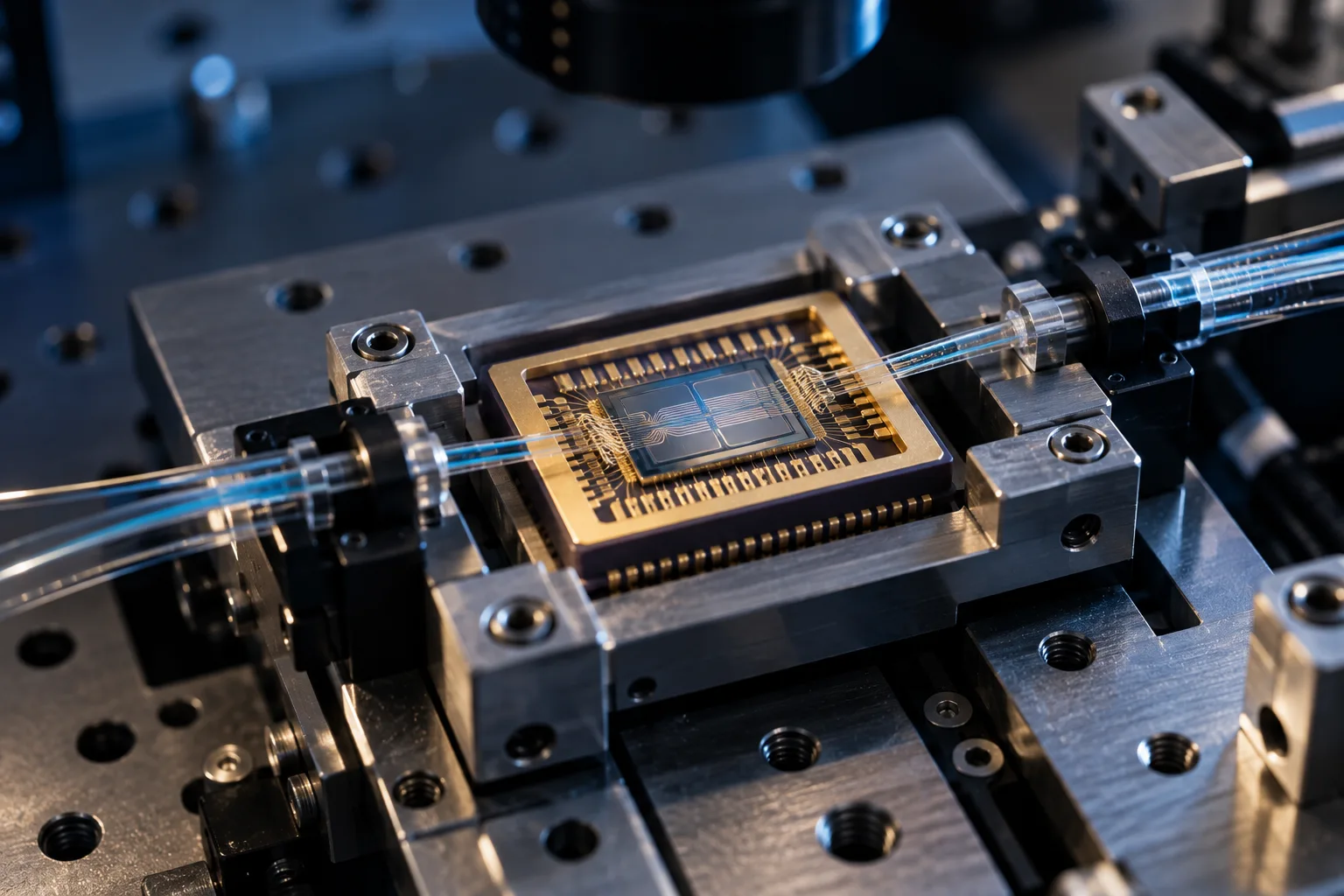
Leeds researchers record seismic signals along a fibre cable in boreholes up to 250 m deep
University of Leeds researchers installed a fibre-optic cable in boreholes on the university campus, reaching depths of up to 250 m. Surveys in autumn 2024 produced seismic signals that could be detected with distributed acoustic sensing (DAS) along the full cable. The post says seismic velocity can be estimated down to around 200 m. The aim was to explore whether local sandstone layers can be used as geothermal reservoirs. The post gives no numerical velocity values and no error bounds.
Canada authorises construction of one BWRX-300 small modular reactor at Darlington
On 4 April 2025 the Canadian Nuclear Safety Commission (CNSC) issued Ontario Power Generation Inc. a power reactor construction licence for one GE Hitachi BWRX-300 at the Darlington New Nuclear Project site in Clarington, Ontario. The licence is valid until 31 March 2035. The CNSC project page describes the BWRX-300 as a 300 MWe, water-cooled, natural circulation small modular reactor, and the project as covering up to four new reactors. This is a licence decision, not an operating result. The sources reviewed report no construction progress and no operating record at the site.
Heat-responsive gel electrolyte raises thermal-runaway onset in sodium-ion pouch cells
The researchers formed a smart gel polymer electrolyte in hard-carbon||NaNi1/3Fe1/3Mn1/3O2 sodium-ion cells. In the reported pouch-cell calorimetry, the thermal-runaway onset increased from 137.2 °C to 177.4 °C under the study protocol. A full cell with a 14 mg/cm2 positive-electrode mass loading retained 80% of capacity after 500 cycles at 50 °C. Above 120 °C, additional polymer crosslinking was designed to impede ion transport.
Cycling titanium dioxide forms rocksalt nanograins for sodium-ion storage
In laboratory sodium half-cell tests, electrochemical cycling converted anatase or amorphous TiO2 through an amorphous stage into rocksalt NaTiO2 nanograins. After 20 pre-cycles, the c-a′-RS-NaTiO2 electrode delivered 253 mAh/g at 0.1 A/g and retained 72% capacity after 5,000 cycles at 2 A/g. The paper also assembled TiO2(A)||Na3V2(PO4)3 full cells and reported electrochemical activation during cell ageing.
Certified 33.89% perovskite/silicon tandem cell exceeds the single-junction Shockley-Queisser limit
A two-terminal monolithic perovskite/silicon tandem cell, built on a double-textured Czochralski silicon heterojunction bottom cell with a lithium fluoride and diammonium diiodide bilayer passivation at the perovskite/electron transport layer interface, reached an independently certified stabilised power conversion efficiency of 33.89%, with a fill factor of 83.0% and an open-circuit voltage of nearly 1.97 V.
Anode-free all-solid-state sodium cell cycles for several hundred cycles
Researchers at UC San Diego and the University of Chicago built a sodium anode-free all-solid-state full cell in which sodium metal plates directly onto an aluminium current collector made of compressed aluminium particles. Using an electrochemically stable solid electrolyte and applied stack pressure, the cell showed stable cycling for several hundred cycles in laboratory tests.
Catalyst runs in seawater for 2,800 hours at about 1.25 A per square centimetre
Fan and colleagues report, in Nature Sustainability (published online 9 February 2024), an earth-abundant layered double hydroxide electrocatalyst that sustained seawater electrolysis for over 2,800 hours at about 1.25 A per square centimetre. The authors attribute the stability to carbonate ions between the catalyst layers and graphene quantum dots on its surface, which reduce chloride adsorption and corrosion. In a separate photovoltaic-electrolysis device using the same catalyst for both electrodes, the authors report an 18.1% solar-to-hydrogen efficiency for overall seawater splitting and stability over 200 hours at a working current above 440 mA.