Medical technology and bioelectronics
Devices, diagnostics and electronics that work with the body.
Technology profiles
Accelerated transcranial magnetic stimulation
Accelerated transcranial magnetic stimulation (TMS) gives many short sessions over about five days, and some versions target each person's brain network using a brain scan. The FDA cleared one such system, SAINT, in 2022, but most of the evidence comes from small trials and it is not yet clear how long the benefit lasts.
Adaptive deep brain stimulation
Deep brain stimulation (DBS) uses implanted electrodes to deliver electrical pulses to deep brain areas and is established for Parkinson's disease and other movement disorders. Adaptive DBS reads a brain signal and changes stimulation as that signal changes; the FDA approved a Medtronic adaptive system for Parkinson's disease in early 2025, according to the manufacturer, while its use in depression remains experimental.
Autonomous surgical robots
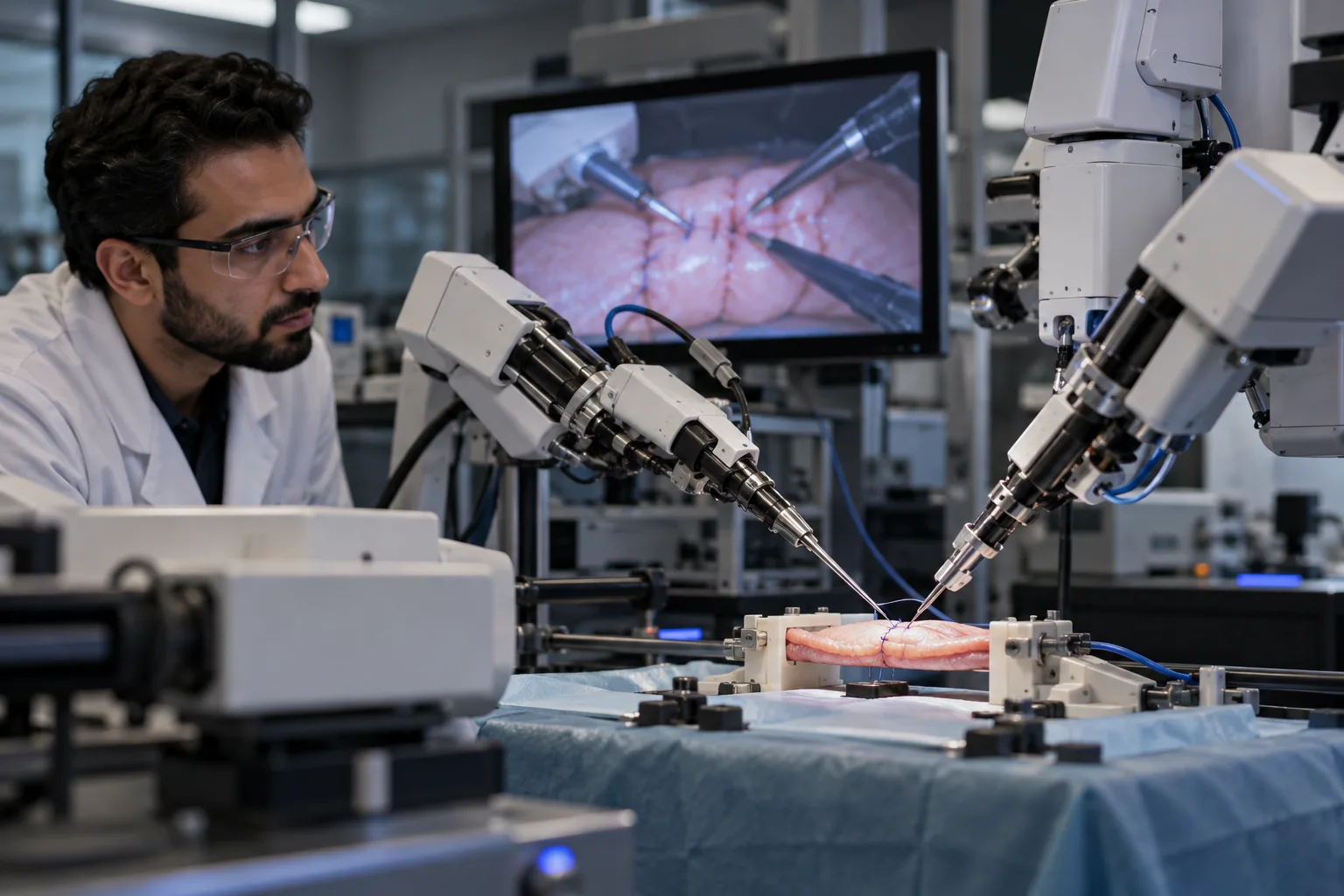
Autonomous surgical robots carry out defined surgical steps, such as placing stitches, on their own after a surgeon sets up or approves the plan. Studies so far use model tissue, ex vivo tissue and a small number of pigs, and no human use is described in the sources reviewed here.
Base and prime gene editing
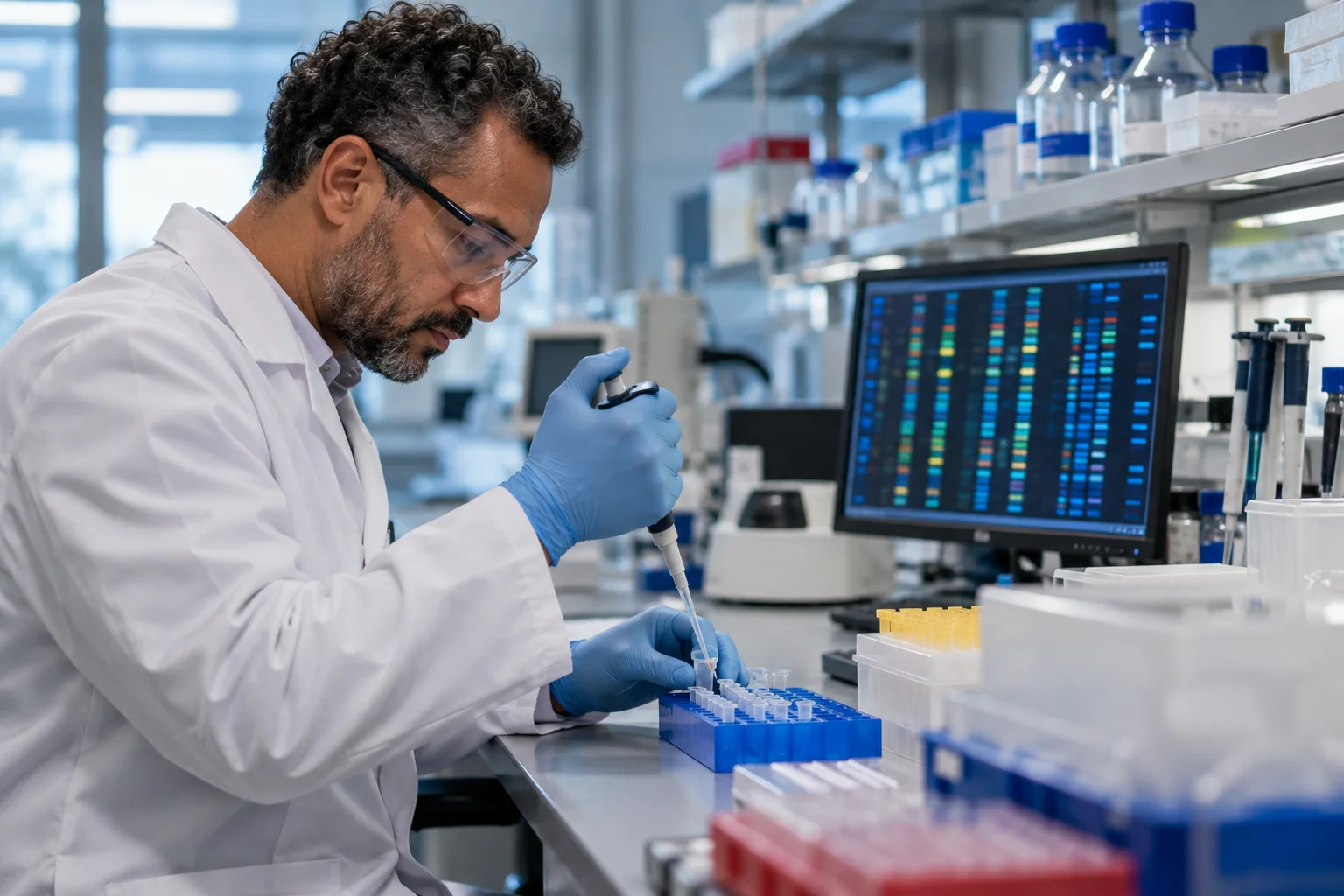
Base and prime editors change individual letters of DNA, or replace short stretches, without cutting through both strands of the double helix. Clinical use is at an early stage, with published reports covering very small numbers of people.
Battery-free wireless implant sensors
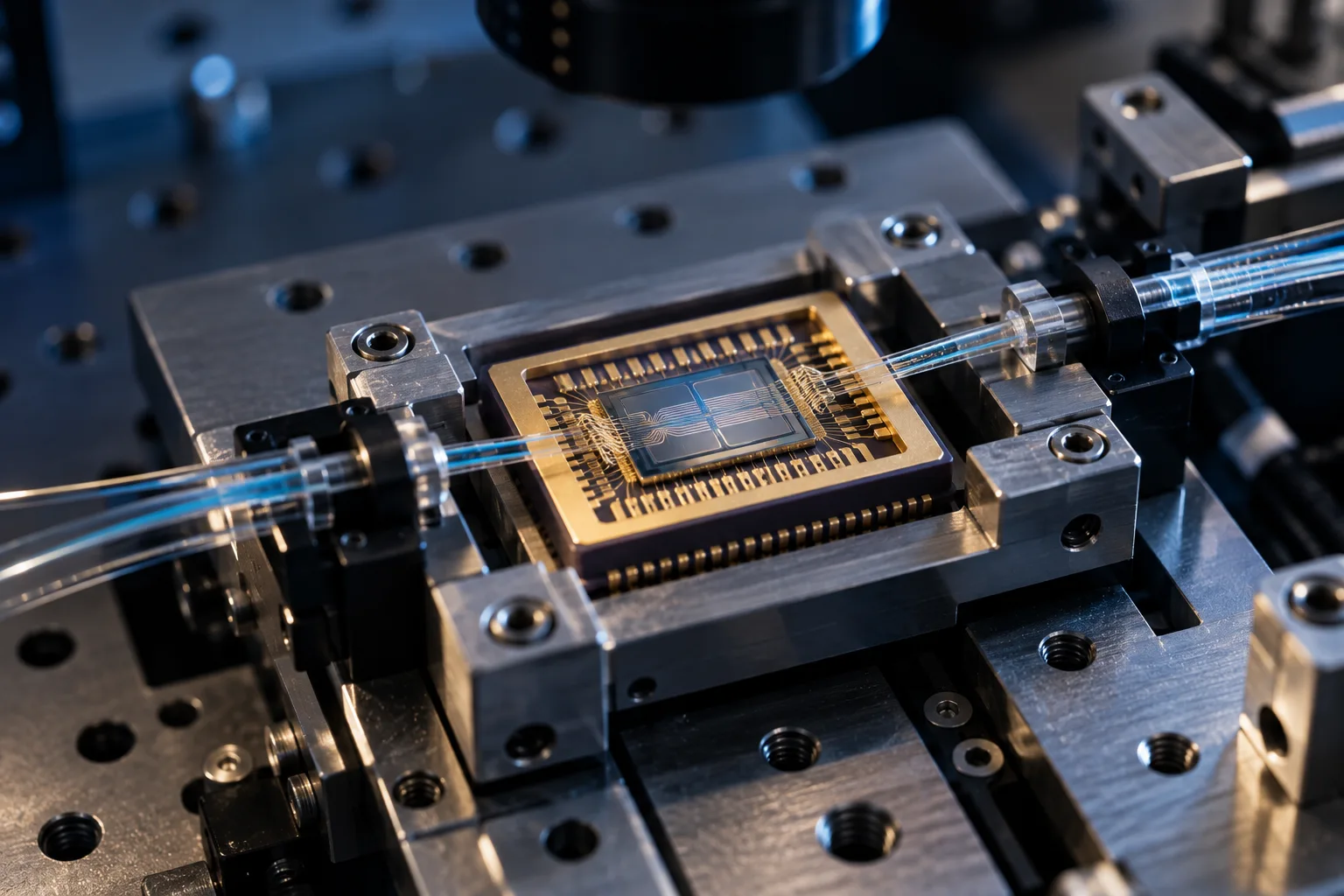
Researchers have built flexible wireless sensors that can detect water getting through the protective coating of an implant, without an onboard battery. The tests so far are laboratory, explanted tissue and post-mortem experiments, not monitoring in living patients.
Bionic limbs with nerve and bone connection
Artificial arms and legs are being attached directly to bone and linked to the wearer's nerves and muscles, so they can be controlled more naturally and, in early studies, give some sense of touch. A bone-anchored system is approved in the US for some above-knee amputees, while nerve and muscle interfaces are still tested in small studies.
Bioresorbable (transient) electronics
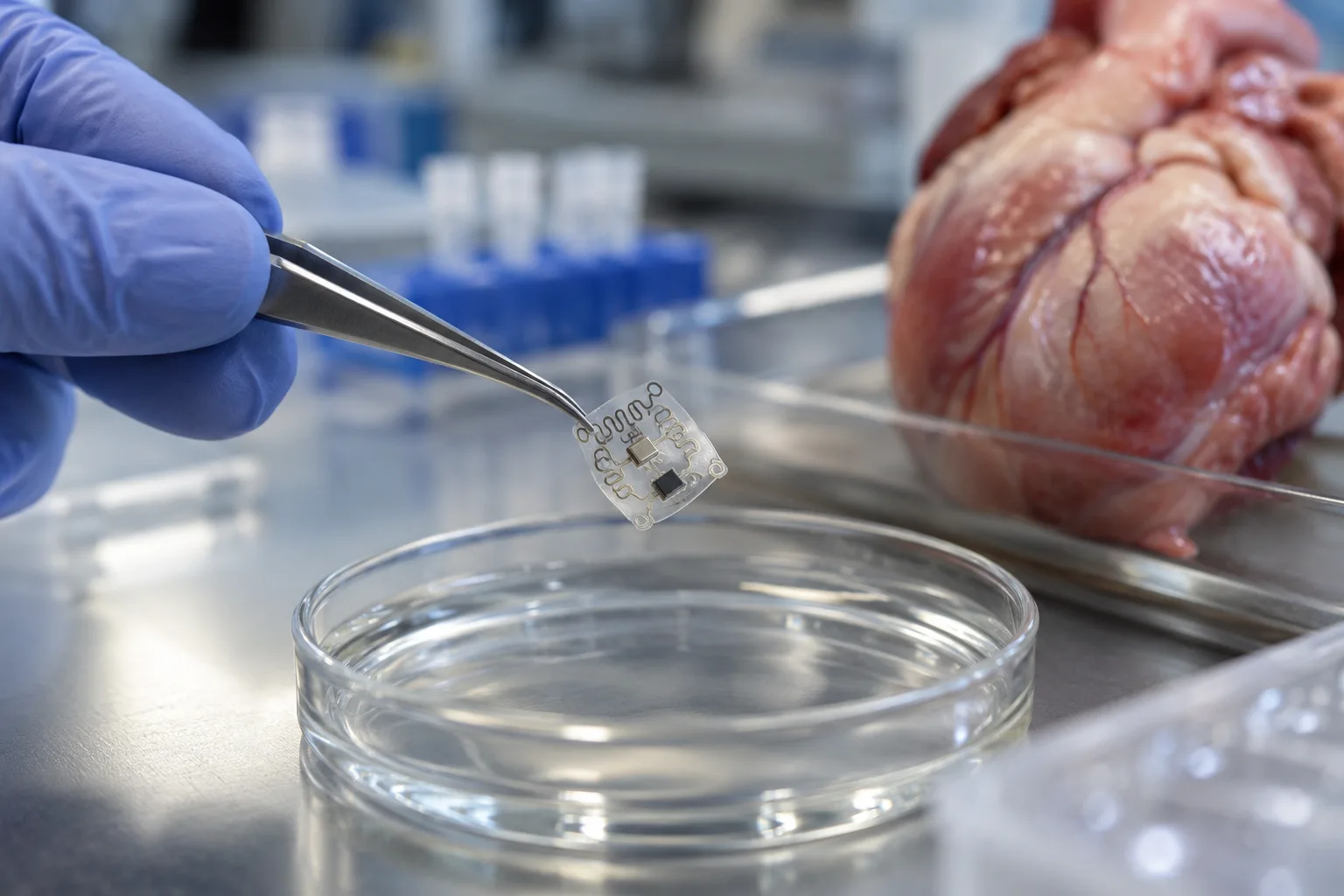
Bioresorbable electronics are working circuits, sensors and stimulators made from materials designed to dissolve in the body after a set time. They aim to provide temporary implants, such as short-term pacemakers or brain pressure monitors, that never need surgical removal.
Brain-computer interfaces
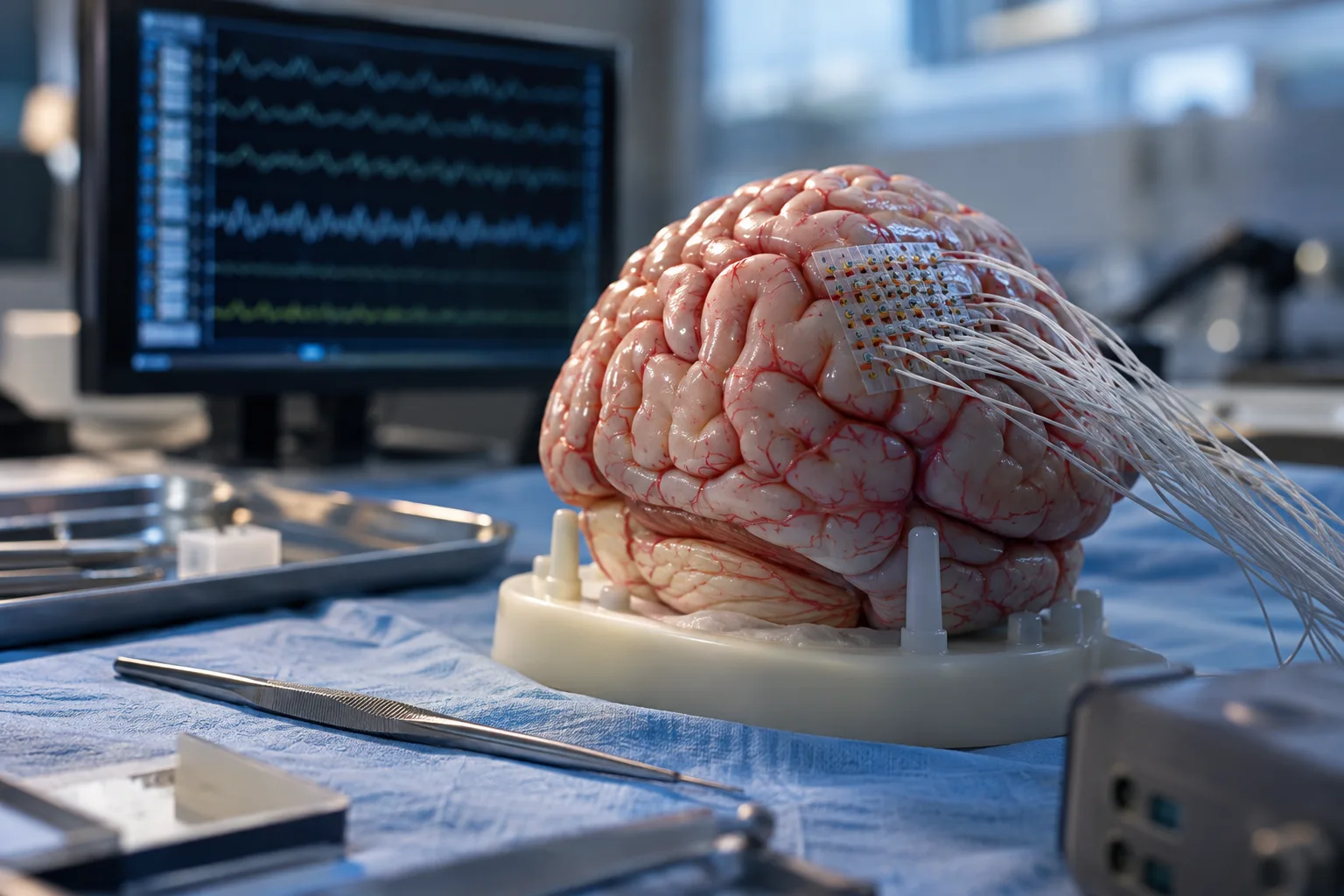
Brain-computer interfaces read electrical activity from the brain and turn it into text, speech or device commands. Research teams have decoded attempted speech from implanted electrodes, and one company has tested an implant placed through blood vessels. A September 2026 study used electrodes on the brain's surface to control a virtual avatar in two of three people with paralysis. Only a small number of people have been studied in all of this work.
Breath diagnostics
Breath diagnostics looks for patterns in the volatile organic compounds (VOCs) that people breathe out, to detect disease. Lung cancer studies report high accuracy, but most are small, results differ between devices, and few breath tests have reached routine clinical use.
Closed-loop brain stimulation for epilepsy
Some implanted devices detect programmed patterns of brain activity and respond with a short pulse of electrical stimulation. The NeuroPace RNS System was approved by the US Food and Drug Administration in November 2013. Long-term studies show seizure reductions on average, but results vary widely, and the device does not stop seizures in everyone. Most of the evidence comes from studies sponsored by the device maker.
Cochlear implants
Cochlear implants are electronic devices that stimulate the auditory nerve to give a sense of sound to people with profound deafness or severe hearing loss. About 736,900 devices had been implanted worldwide by December 2019, but results vary between people and hearing in noise and music remains difficult.
Cryonics
Postmortem preservation with the hope of future revival. No human revival has been demonstrated. A detailed article separates that speculative goal from demonstrated organ and neural-tissue research, including results published in 2025 and 2026.
Engineered living therapeutics
Engineered living therapeutics use genetically modified microbes, mainly bacteria, to make a therapeutic molecule and release it near the disease site. Several candidates have reached early human studies, but the clinical evidence is small and most results still come from cell and animal experiments.
Focused ultrasound for the brain
Focused ultrasound sends sound waves through the skull to a small target in the brain. A high-intensity version is approved to destroy tissue for essential tremor, while low-intensity versions that change brain activity are still in early human research.
Gene therapy for inherited deafness
Gene therapy delivers a working copy of the OTOF gene into the inner ear of children whose deafness is caused by OTOF faults. Small trials reported hearing gains in most treated children, and the FDA granted accelerated approval to Regeneron's Otarmeni in April 2026.
Gene-edited pig organ xenotransplantation
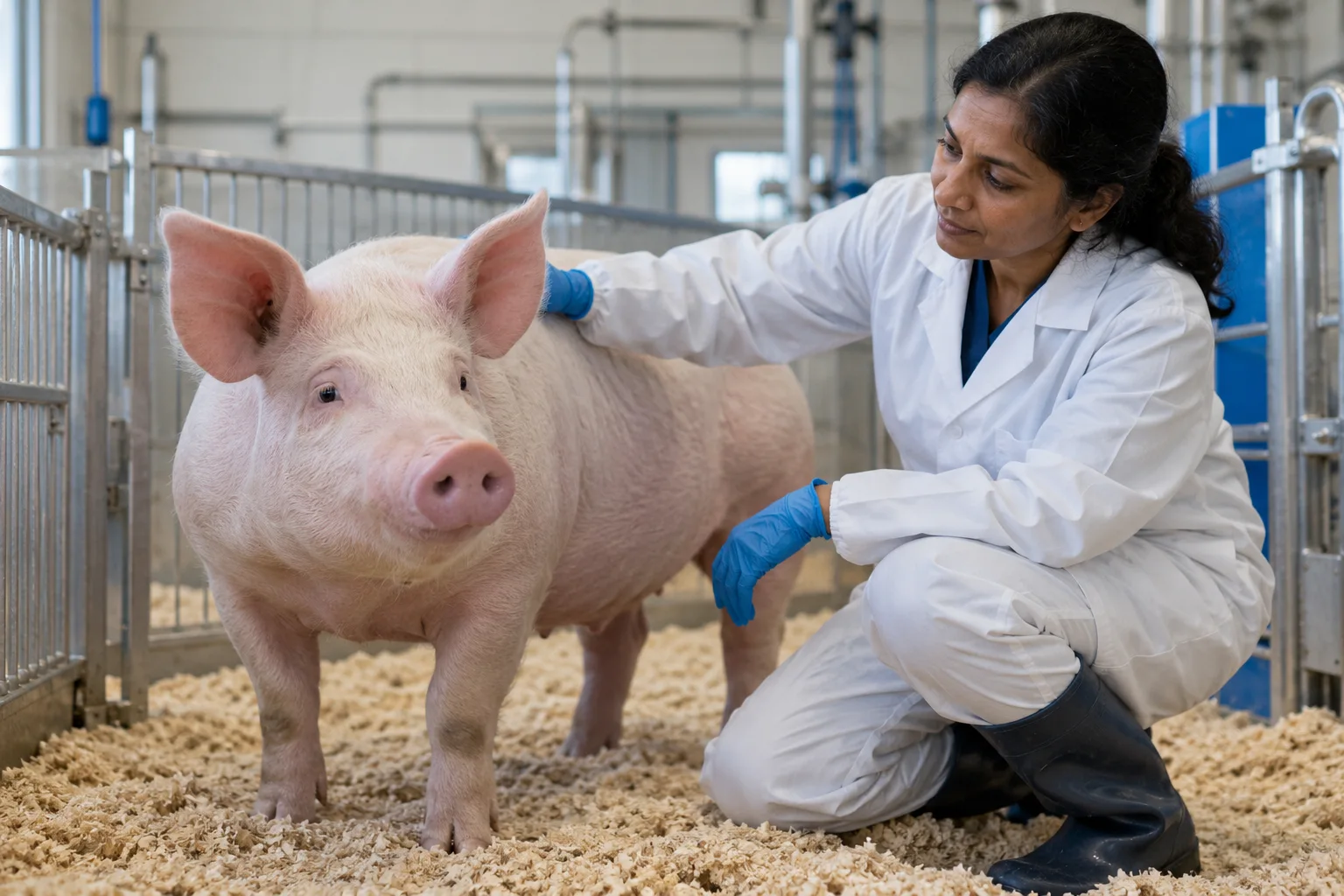
Xenotransplantation means transplanting organs from one species into another, and gene-edited pigs are the main candidate source of donor kidneys. Pig kidneys have functioned for up to 61 days in brain-dead recipients and for a small number of living patients. One peer-reviewed living case reported 271 days of dialysis independence. Long-term results and controlled trials are still needed.
High-density neural probes
High-density neural probes are thin silicon shanks with hundreds or thousands of recording sites, such as Neuropixels, that record many individual neurons at once. In mice and rats they have followed the same neurons for more than two months, while in people they have so far been used mainly during brain surgery, where recording yield and probe durability remain limits.
In vivo gene editing
In vivo gene editing delivers editing machinery into the body so that it changes DNA inside a person's own cells. A phase 3 trial of an investigational in vivo CRISPR treatment and a phase 1 base-editing study now report clinical results. The approach has so far been tested on only a few gene targets, and the phase 1 base-editing study delivers its editor to the liver.
Lab-grown red blood cells
Lab-grown red blood cells are made from stem cells as a possible future transfusion product. The UK RESTORE trial has completed its final mini-dose transfusions and is closed to recruitment; results are expected in late 2026 or early 2027. Whether manufactured cells survive longer than donated cells is not yet known, and producing enough cells affordably for routine care remains a major challenge.
Multi-cancer early detection blood tests
Multi-cancer early detection (MCED) blood tests look for signals from many cancer types in one sample. The main commercial example, GRAIL's Galleri, is under US regulatory review, and the trial evidence so far is mixed: the UK NHS-Galleri trial missed its primary endpoint, and whether earlier detection reduces deaths is not yet shown.
Organ and tissue cryopreservation
Vitrification cools tissue into a glass-like solid without ice, using high concentrations of cryoprotectants, and nanowarming heats it back evenly with magnetic nanoparticles. Vitrified eggs and embryos are used in fertility clinics, and vitrified rat kidneys have worked after transplant, but the sources reviewed here report no human-sized organ banked and transplanted this way.
Organ-on-a-chip
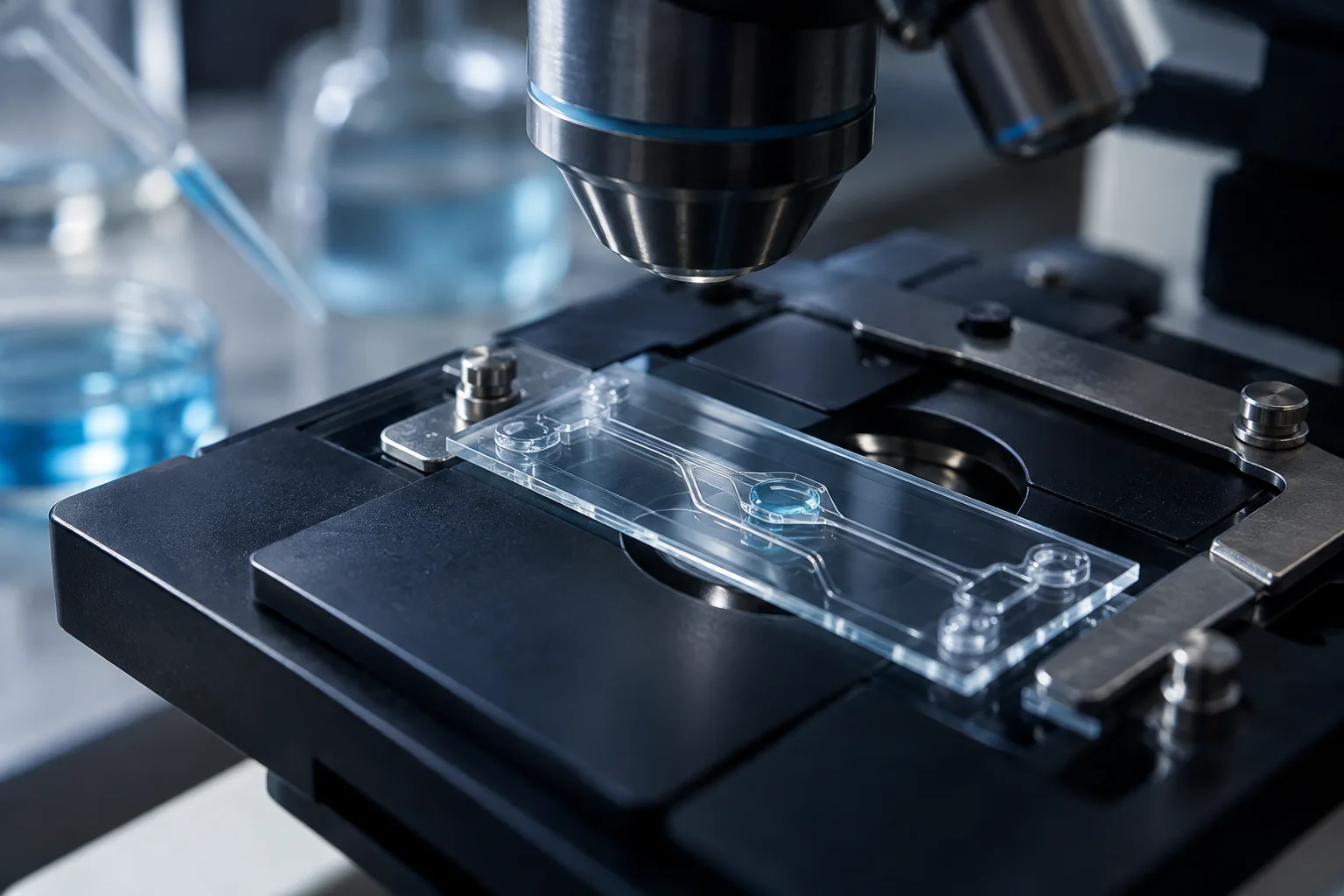
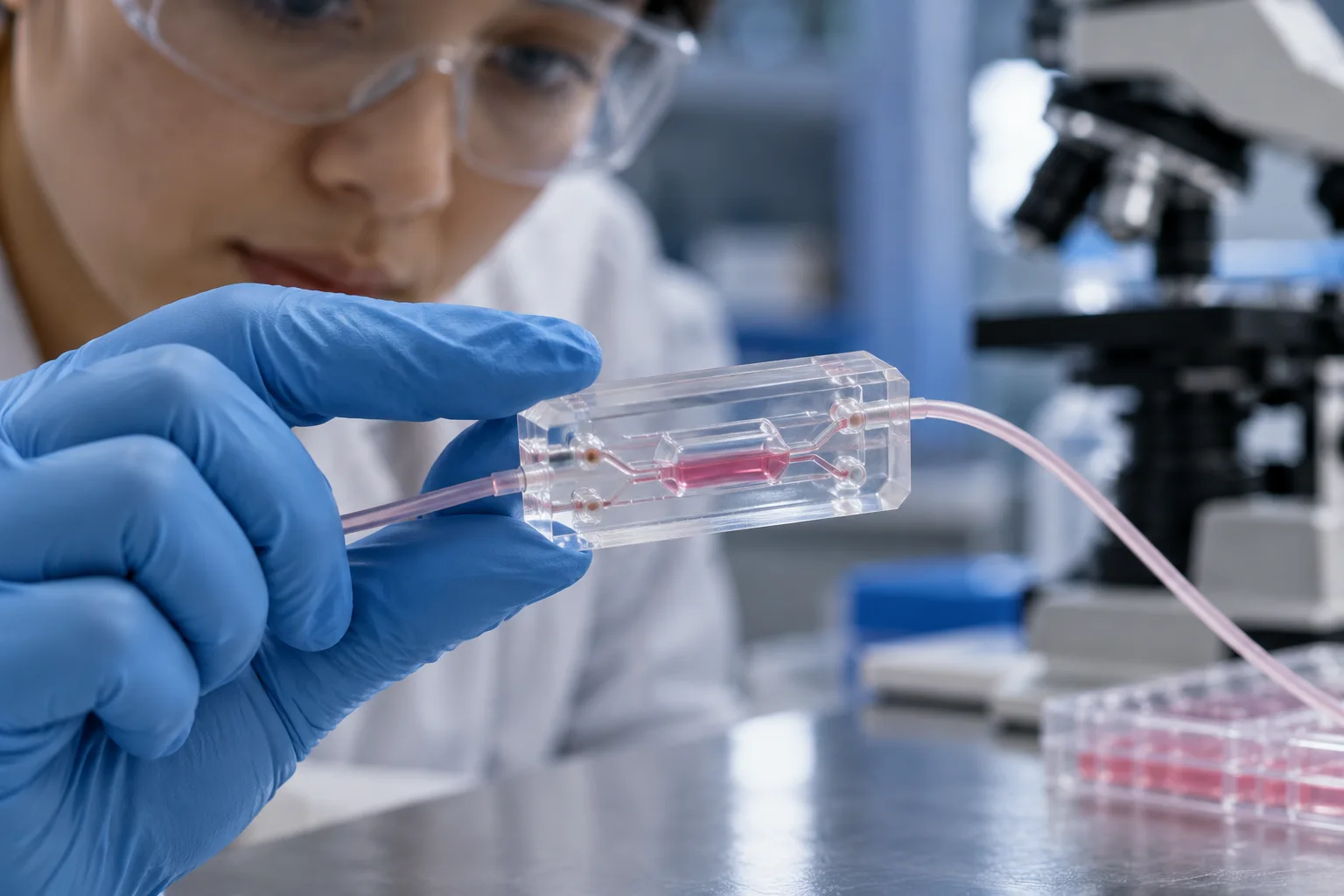
Organ-on-a-chip devices are small plastic chips with tiny fluid channels lined with living human cells, built to copy how a tissue such as lung or liver behaves. They are used in drug research to test effects on human cells and are being considered by regulators as a partial alternative to some animal tests.
Peripheral nerve interfaces
Electrodes placed on or in nerves outside the brain and spinal cord can pick up a person's movement signals to control a prosthetic limb, and can send electrical pulses that the nerve reads as touch or pressure. Human studies so far are small, with one to four participants each, and the sources reviewed here do not report an approved nerve interface device.
Retinal prostheses and vision restoration
Retinal prostheses are implants that use electrodes or light-sensitive chips to stimulate the remaining retina in people who have lost their light-sensing cells. The Argus II was approved by the FDA in 2013 for advanced retinitis pigmentosa, and its production was suspended in 2019, while the PRIMA implant improved central vision for most participants assessed in a 2025 trial in geographic atrophy.
Sleep neurostimulation
Sleep neurostimulation plays sounds or passes weak electrical currents into the brain, timed to the slow waves of deep sleep, to try to strengthen those waves and possibly memory. Small studies report stronger slow waves and spindles, but memory benefits have not replicated reliably, and consumer headbands have little independent testing.
Smart contact lenses
Smart contact lenses are soft lenses with sensors or micro-displays built in. One sensing lens, Sensimed's Triggerfish, has US marketing authorisation to help clinicians time eye pressure checks in glaucoma, but tear glucose sensing and display lenses have only been tested in small early studies and in animals.

Soft exosuits
Soft exosuits are light, textile-based wearable robots that use cables and motors to add force to the hip or ankle while a person walks. Lab studies show small immediate gains in walking efficiency and symmetry, and one soft exosuit system has reported FDA clearance for sale to stroke rehabilitation centres, but long-term clinical benefit is not yet well established.
Spinal cord stimulation for paralysis
Electrical stimulation of the spinal cord can help some people with spinal cord injury move again. Implanted epidural systems have restored walking and trunk control in very small research cohorts. A non-invasive system called ARCEX was studied in a 65-person trial, and its maker states that it is FDA cleared to improve hand sensation and strength in people with incomplete cervical spinal cord injuries.
Vagus nerve stimulation
Vagus nerve stimulation sends small electrical pulses to the vagus nerve, a long nerve linking the brain with the heart, lungs and gut. Implanted systems are FDA-approved for epilepsy and for arm rehabilitation after stroke, but the evidence for depression and for rheumatoid arthritis is much less settled.
Vehicle safety systems
Modern cars protect people in crashes through layers of design: crumple zones that deform in a controlled way, seat belts, airbags and independent crash testing. The IIHS reports estimates, citing NHTSA and Kahane (2015), that airbags and lap and shoulder belts together reduce the risk of death in frontal crashes by 61%. These figures come from models built on crash records rather than direct measurement.
Wearable ultrasound patches
Wearable ultrasound patches are thin, stretchable devices that stick to the skin and send sound waves into the body to image or monitor blood flow and tissue. Research groups at UC San Diego and MIT have shown them working in small human studies for periods of hours up to two days, but they are still tethered to external equipment and no regulated product was found in the sources reviewed.
How far away are we?
AI-designed medicines reaching patients
Pilots · 5 of 8 steps done
Artificial limbs that move and feel like real ones
Pilots · 7 of 10 steps done
Bacteria engineered as living medicines
Engineering prototypes · 5 of 7 steps done
Better deep sleep on demand
Pilots · 9 of 12 steps done
Brain implants that stop seizures before they spread
Scaling up · 5 of 8 steps done
Brain-computer interfaces for everyday use
Pilots · 4 of 8 steps done
Checking blood sugar without needles
Engineering prototypes · 2 of 5 steps done
Clothes that monitor your health
Pilots · 4 of 8 steps done
Curing inherited diseases with a single gene-editing treatment
Pilots · 4 of 9 steps done
Giving people back their voice with brain implants
Engineering prototypes · 4 of 6 steps done
Lab-grown and animal organs for transplant
Pilots · 3 of 8 steps done
Lab-grown blood for routine transfusions
Engineering prototypes · 4 of 9 steps done
Medical implants that change shape inside the body
Pilots · 3 of 5 steps done
Medical implants that need no battery
Engineering prototypes · 6 of 10 steps done
Replacing animal testing with lab-grown human tissue
Pilots · 4 of 7 steps done
Restoring hearing to deaf children with gene therapy
Pilots · 4 of 8 steps done
Restoring sight to blind people
Pilots · 4 of 8 steps done
Robot surgeons that operate on their own
Engineering prototypes · 3 of 7 steps done
Screening for many cancers with one blood test
Pilots · 6 of 9 steps done
Soft suits that make walking easier
Pilots · 4 of 8 steps done
Treating illness through the vagus nerve
Pilots · 6 of 8 steps done
Treating severe depression in days with brain stimulation
Pilots · 7 of 9 steps done
Ultrasound scanners you wear like a plaster
Engineering prototypes · 4 of 7 steps done
Walking again after spinal cord injury
Engineering prototypes · 4 of 6 steps done
Breakthroughs
Bioresorbable metal-free magnet enables untethered organ monitoring in porcine models
Researchers report a graphitic-carbon-nitride-derived metal-free molecular magnet integrated into catheter-deliverable epicardial patches and injectable hydrogels, coupled to a skin-interfaced Hall sensor array. In porcine models, the system continuously assessed cardiac ejection fraction for four weeks before the material underwent reported benign bioresorption. The abstract does not state the number of animals or detailed protocol.
NHS-Galleri trial misses main endpoint for multi-cancer blood test
In the NHS-Galleri randomised trial in England, 142,250 adults aged 50 to 77 were randomised 1:1 to a test group (71,122) or a control group (71,128). The test group was offered the Galleri multi-cancer blood test. After three screening rounds, the combined rate of stage III or IV diagnoses across 12 prespecified cancers was not lower in the test group (incidence rate ratio 1.03, 95% CI 0.92 to 1.14, P=0.63). Stage IV diagnoses, a prespecified secondary endpoint, were lower in the test group (incidence rate ratio 0.86, 95% CI 0.744 to 0.998), which GRAIL describes as nominally statistically significant. Episode sensitivity was 54.7% for the 12 prespecified cancers and 30.7% across all cancer types, with specificity of 99.55% and a positive predictive value of 52.0%.
Brain implant decodes speech and gestures together in two people with paralysis
In a study of three participants with severe speech and movement impairment, a 253-channel electrocorticography (ECoG) array implanted on the pial surface of the left hemisphere, over areas of speech production and motor movement, was used for real-time decoding. Two participants (Bravo-1r and Bravo-6) completed the simultaneous speech and gesture avatar tasks; the third withdrew before that stage. In a cued conversation task with a restricted set of phrases and gestures, Bravo-6 reached 75.0% speech accuracy (95% CI 55.0 to 90.0) and 85.0% gesture accuracy (95% CI 70.0 to 100.0) over five blocks. Bravo-1r, with five phrases and four gestures, reached a median of 100% for both over three blocks. In a copy task with ten phrases and ten gestures, Bravo-6 scored 70.0% for speech and 66.0% for gestures, against chance levels of 9.1% each.
Wearable ultrasound patch gave continuous readings in 52 pregnant women
A soft wearable ultrasound patch, the UPatch, sits on the mother's abdomen. In validation, its readings showed good agreement with a handheld clinical ultrasound device on 62 pregnancies, for anatomical structures and blood flow velocities. Continuous monitoring was then carried out in sessions of one to six hours in 52 pregnant women, including healthy pregnancies and pregnancies with small or large for gestational age, gestational diabetes, preeclampsia and gestational hypertension. The abstract summaries and press coverage reviewed give no agreement statistics and no per-group numbers.
Implanted vagus nerve device shows higher 3-month response than sham in rheumatoid arthritis trial
In RESET-RA, a double-blind, sham-controlled trial of 242 adults with rheumatoid arthritis who had an inadequate response to, or intolerance of, biologic or targeted synthetic DMARDs, an implanted device acting on the vagus nerve gave an ACR20 response at 3 months of 35.2% with active stimulation, against 24.2% with sham (P = 0.0209). The primary endpoint was the 3-month ACR20 response. Open-label follow-up, which had no control group, reported ACR20 responses of 50.0% at 6 months and 52.8% at 12 months (all completers). Related serious adverse events occurred in 1.6% of patients, all perioperative and resolved.
PRIMA subretinal photovoltaic implant improves central vision acuity in geographic atrophy at 12 months
In an open-label, multicentre, single-group study with a baseline comparison, 38 adults with geographic atrophy secondary to age-related macular degeneration received a PRIMA subretinal photovoltaic implant used with near-infrared-projecting glasses. Vision was assessed with and without the glasses at 6 and 12 months. Of the 32 participants assessed at 12 months, 26 (81%) reached a clinically meaningful visual acuity gain of at least 0.2 logMAR from baseline. Multiple imputation across all 38 participants estimated 80%. The authors report 26 serious adverse events in 19 participants, most of them within two months after surgery.
Adaptive deep brain stimulation for Parkinson's tested over months in a small open-label trial
In the ADAPT-PD trial, 68 people with Parkinson's disease who already used conventional deep brain stimulation (cDBS) were enrolled. Of these, 40 were evaluated on dual-threshold adaptive DBS (DT-aDBS) and 35 on single-threshold adaptive DBS (ST-aDBS). The primary outcome was on-time without troublesome dyskinesia. Under the prespecified threshold, 95% (DT-aDBS) and 87% (ST-aDBS) of evaluated participants met the goal. The threshold was revised after the planned analysis to a post hoc limit of no more than 2 hours a day of lost on-time without troublesome dyskinesia. Under that revised threshold, 91% (DT-aDBS) and 79% (ST-aDBS) met it. Total electrical energy delivered (TEED), a secondary outcome, was about 13% lower with DT-aDBS (borderline, P = .05) and about 15% lower with ST-aDBS (P = .01) than with cDBS. Mean aDBS exposure was 17.5 months (range 3 to 27). The authors report no unanticipated serious adverse device events.
Lab-scale dynamic culture yields about 4,600 red cells per stem cell
In an optimised, feeder-free suspension culture that the authors describe as xeno-free, iPSCs produced about 4.6 × 10³ red cells per iPSC. The paper reports 40 to 70% enucleation in its abstract; individual results sections give narrower ranges of 48 to 62% and 46 to 71%. The shaker cultures used 125 mL Erlenmeyer flasks and Cytodex 1 microcarriers, and stirred-tank bioreactors were not tested. The authors estimate that about 4.9 × 10⁷ iPSCs would be needed for one minitransfusion unit of 1 × 10¹¹ enucleated cells.
Robot performs gallbladder removal steps autonomously on eight ex vivo specimens
A hierarchical control framework (SRT-H) combined a high-level planner that issues task and corrective instructions in natural language with a low-level policy that generates robot trajectories, trained by imitation learning. In ex vivo cholecystectomy experiments it completed the targeted procedure steps with a 100% success rate across eight gallbladders, without human intervention.
Brain-computer interface synthesises a participant's voice in real time, including intonation
Using 256 microelectrodes implanted in the ventral precentral gyrus of one man with ALS and severe dysarthria, the team decoded neural activity directly into synthesised voice with closed-loop audio feedback, rather than into text. The decoder also captured paralinguistic features, letting the participant change intonation and sing short melodies through the system.
Infant receives a base-editing therapy designed for his own mutation
After a newborn was diagnosed with severe carbamoyl-phosphate synthetase 1 deficiency, the clinical and research team developed a lipid nanoparticle-delivered base-editing therapy for his specific variant. After regulatory approval, he received two infusions at about 7 and 8 months of age. In the 7 weeks after the first infusion he tolerated more dietary protein and his nitrogen-scavenger dose was halved, with no serious adverse events.
Low-intensity focused ultrasound to the amygdala changes brain activity and reduces distress symptoms in an early human study
In a double-blind, within-subject, sham-controlled target engagement study, MRI-guided low-intensity transcranial focused ultrasound was aimed at the left amygdala during fMRI in 29 patients with mood, anxiety or trauma-related disorders and 23 healthy comparison subjects. Active stimulation reduced left amygdala BOLD signal on average compared with sham. The same patients then received 15 daily sessions over three weeks in an unblinded single-arm trial. The primary outcome, the General Distress subscale of the Mood and Anxiety Symptom Questionnaire, fell significantly (p = 0.001, Cohen's d = 0.77). The authors report no serious adverse events.
FDA sets out plan to phase out animal testing requirements for monoclonal antibodies
No experiment: this is a regulatory policy event. The US Food and Drug Administration announced a plan to reduce, refine or potentially replace animal testing requirements, starting with monoclonal antibodies, and published a 'Roadmap to Reducing Animal Testing in Preclinical Safety Studies'. It named AI-based computational toxicity models, cell line and organoid testing, and organ-on-a-chip systems as alternatives, and said IND applications were encouraged to include such data immediately.
Millimetre-scale bioresorbable pacemaker is controlled by light and dissolves after use
A team led by Northwestern University built a millimetre-scale bioresorbable optoelectronic pacemaker with an onboard power supply and wireless optical control, small enough for injection or endovascular delivery. The devices paced effectively in mouse, rat, pig, dog and human cardiac models at single and multiple sites. Paired with a skin-mounted wireless unit, they ran in closed loop, pacing on detection of arrhythmias.
Ten people with chronic spinal cord injury show gains in strength and balance over one year
The operator's announcement reports that, in a one-year study of 10 adults with chronic cervical or thoracic spinal cord injury, 120 treatment sessions of transcutaneous spinal cord stimulation (ONWARD's ARC-EX Therapy), combined with activity-based rehabilitation, were followed by gains in upper body strength, trunk control and balance. The announcement says there was no indication of a plateau in benefit after one year. It reports that three participants improved their AIS classification, and four showed a change in neurological level of injury, including one who moved from complete to incomplete injury. The announcement gives no numerical strength, balance or function scores and no adverse event data.
Soft robotic shorts cut older adults' walking energy cost by 10.48% on level ground
Researchers at TUM and collaborators tested WalkON, a pair of soft robotic shorts that assist hip flexion. Young adults walking 500 m uphill on a hiking trail had a 17.79% reduction in metabolic cost of transport with the shorts. A group of older adults walking 400 m on a flat outdoor track had a 10.48% reduction in metabolic cost during level walking, and gave a mean perceived control score of 6.09 out of 7. The TUM research portal record reports these figures from the paper. The number of participants in each group was not confirmed from the sources reviewed.
Compact soft hip wearable cut walking metabolic cost by 12.7% in a preliminary study of eight adults
Researchers at TUM and collaborators tested LM-Ease, a compact, tendon-driven soft wearable robot for hip assistance, in eight healthy young adults. The abstract reports a 12.7% reduction in metabolic cost during ground walking. The device switches between assistance profiles for sitting, standing and walking. The same abstract reports an average reduction in muscle activation of 15.6% during stand-to-sit and 17.8% during sit-to-stand. The authors describe these results as preliminary.
Battery-free wireless sensor monitors water permeation through implant encapsulation
Researchers tested a flexible RF-backscatter platform using a magnesium resistive sensor to detect water permeation across thin-film encapsulation. Corrosion of the magnesium changed the circuit oscillation frequency. The study reports in-vitro and in-tissue characterisation, including implantation in deeply anaesthetised mice; the mouse implantation tests were performed after euthanasia, not in living animals.
Intracortical speech neuroprosthesis reaches 97.5% accuracy in a man with ALS
In one 45-year-old man with ALS and severe dysarthria, four microelectrode arrays (256 electrodes) were implanted in the left precentral gyrus as part of the BrainGate2 trial. On the first day of use, after 30 minutes of calibration data, decoding reached 99.6% word accuracy on a 50-word vocabulary. On day two, after 1.4 more hours of training, it reached 90.2% on a 125,000-word vocabulary. With further training it sustained 97.5% accuracy in self-paced conversation over 248 cumulative hours across 8.4 months.
Focused ultrasound to left prefrontal cortex eased depression scores versus sham in small trial
In a randomised, double-blind, sham-controlled trial in patients with major depressive disorder, low-intensity transcranial focused ultrasound (250 kHz, NS-US100 device) was aimed at the left dorsolateral prefrontal cortex over six sessions in two weeks. Of 26 randomised participants, 23 completed (11 active, 12 sham). On the Montgomery-Åsberg Depression Rating Scale (MADRS), the group-by-session interaction was significant (F(1,21) = 9.0, p = 0.003). At follow-up, mean MADRS scores were 14.8 ± 7.2 with active stimulation and 24.8 ± 9.3 with sham. The response rate (at least a 50% fall in MADRS) was 54.5% (6 of 11) with active stimulation and 8.3% (1 of 12) with sham (p = 0.027). Remission (MADRS below 9) did not differ significantly (18.2% vs 8.3%, p = 0.590). The main effect of group across sessions was not significant (p = 0.052). The authors report that participants tolerated the sessions well without any undesired effects.
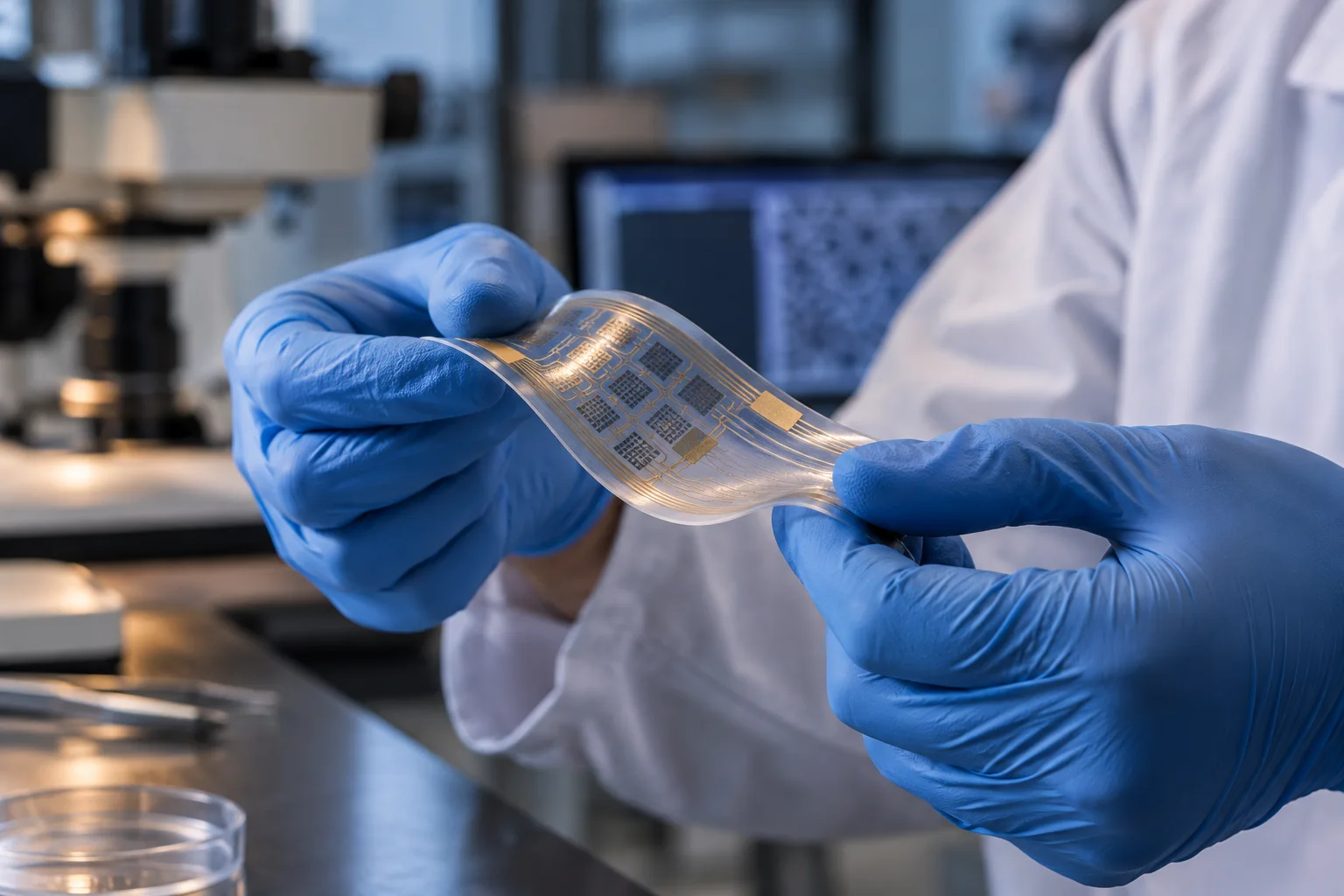
Wearable electronic skin tracks nine physical and sweat signals to classify stress responses
A Caltech-led team built a wrist-worn electronic skin that measures three vital signs (pulse waveform, galvanic skin response and skin temperature) and six sweat biomarkers (glucose, lactate, uric acid, sodium, potassium and ammonium). Its electrochemical sensors gave stable sweat analysis for over 100 hours, and it recorded continuously over 24 hours during daily activities in human participants. A machine learning pipeline distinguished three stressors with 98.0% accuracy.
Vitrified rat kidneys rewarmed by nanowarming survive 30 days after transplant
In a rat model, whole kidneys were vitrified (cooled to an ice-free, glass-like state), stored at about -150 degrees C for 1 to 100 days, and rewarmed by nanowarming, which heats magnetic nanoparticles in the organ's blood vessels with a magnetic field. Five nanowarmed kidneys were transplanted into nephrectomised recipients, alongside five fresh-control transplants. All nanowarmed and fresh-control recipients survived the 30-day study. Nanowarmed kidneys produced urine within 40 to 45 minutes of reperfusion, compared with a few minutes for fresh controls. Day-30 creatinine was 0.62 plus or minus 0.24 mg/dL for nanowarmed kidneys and 0.44 plus or minus 0.19 mg/dL for controls (P = 0.3). Estimated GFR at day 30 was 2.2 plus or minus 0.8 mL/min and 2.7 plus or minus 0.7 mL/min respectively (P = 0.421).